
Light Requirements
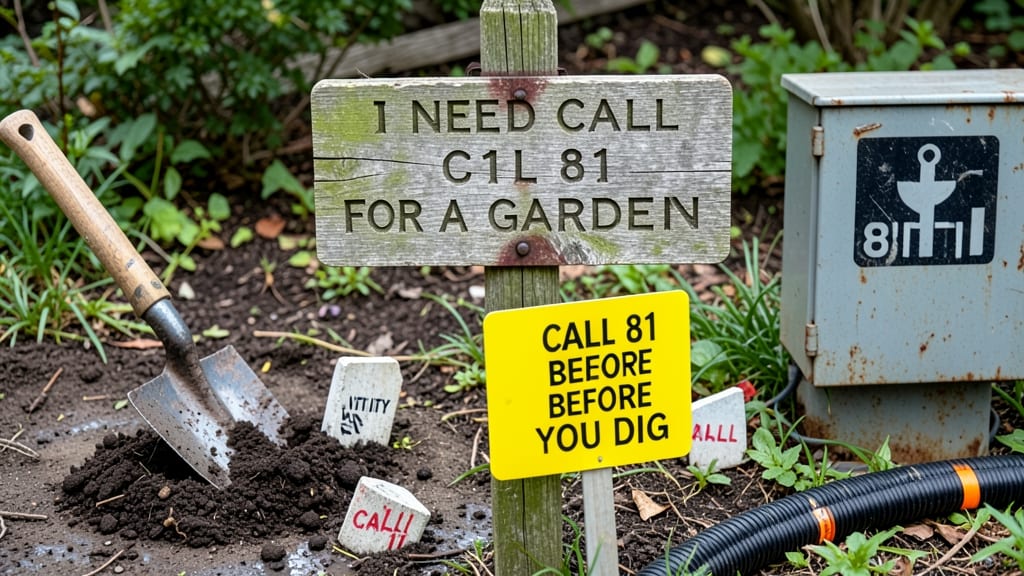
You need to call 811 before digging in your garden in most U.S. states to locate underground utilities and prevent accidents, though exemptions may apply for small-scale gardening or specific soil types—always verify local rules first.
Before you grab your shovel, remember that underground utilities—like gas lines, electrical cables, or water pipes—can be buried just 12 inches deep or less. 🔥 The 811 system coordinates with utility companies to mark these lines for free, and failing to do so could result in costly repairs or even dangerous leaks.
Even if your project seems small, like planting a few bushes, some states require notification for any digging deeper than 6 inches. I always recommend checking your state’s specific guidelines, as rules can vary widely across regions.
For example, California requires 811 notification for any digging over 16 inches, while Texas mandates it for projects exceeding 6 inches. If you’re unsure, a quick call to your local 811 center (or their website) can clarify whether your garden project qualifies for an exemption.
Many states also offer online tools to check your property’s utility map before you start digging.
💡 In This Article
- Why 811 Digging Safety Rules Protect Your Garden
- State-Specific 811 Exemptions for Gardeners
Why 811 digging safety rules protect your garden
Underground utility lines pose hidden dangers that most gardeners don't realize exist until it's too late. Natural gas lines, for example, can be buried just 12 inches deep and operate under pressures of 10-20 psi—enough to create explosive conditions if punctured.
When a shovel or tiller strikes these lines, the initial impact can spark a gas leak that, when combined with outdoor ignition sources (like lawnmowers or cigarettes), creates a fire hazard within seconds. 🔥 Electrical cables buried 18-36 inches deep carry voltages up to 7,200 volts in residential areas, while water mains under 50 psi pressure can erupt with enough force to damage property or injure someone within a 10-foot radius.
The 811 system works by connecting your call to every utility company serving your address within 2-5 business days.
These companies then send trained technicians to physically mark their lines with colored paint or flags according to a standardized color code: red for electric, yellow for gas, blue for water, and green for sewer.
The markings are accurate to within 2 inches of the actual line location, though some utilities may also provide digital maps showing exact line paths.
What's surprising is that even shallow gardening can trigger these rules—some states require notification for any digging deeper than 6 inches, while others mandate it for projects exceeding 16 inches.
Here's what happens when you ignore these rules: In 2022 alone, there were 450,000 utility line strikes across the U.S., resulting in $3 billion in damages and 150+ injuries.
The most common mistakes occur when gardeners assume their project is too small to matter or that "nothing's there" based on visual inspection.
Soil composition can hide lines—sandy soil, for example, may show no surface disturbance even when a line is directly beneath, while clay soil might create subtle depressions that are easily missed. The 811 system prevents 90% of these incidents by ensuring lines are properly identified before any digging begins.
Even if your state allows exemptions for gardening, the risks remain real. For instance, a 1-inch puncture in a gas line can release 1,000 cubic feet of gas per hour—enough to fill a 10x10-foot area with explosive concentrations in under 30 minutes.
The 811 process isn't just about following rules; it's about protecting your property, your family, and your neighbors. Many gardeners who've experienced line strikes report that the damage—both physical and financial—far outweighs the free service provided by 811.
The system exists because the alternative is far costlier than a simple phone call.
What most people don't realize is how utility companies track their own lines. Modern systems use a combination of GPS-mapped records, ground-penetrating radar, and historical construction documents to create digital maps of underground infrastructure.
When you call 811, these records are cross-referenced with your address to generate a comprehensive map of what lies beneath. The accuracy of this process has improved dramatically with AI-assisted mapping, reducing false positives and ensuring gardeners get precise information about potential hazards in their digging area.
Consider this real-world example: In 2020, a homeowner in Ohio was preparing to plant a 5-foot-deep garden bed when his shovel struck a natural gas line. The resulting explosion damaged three neighboring homes and required a $250,000 repair bill—all because he assumed his small-scale project was exempt.
The 811 system would have marked that line with red paint and a yellow flag, clearly indicating the hazard before any digging began. This case highlights why even seemingly minor garden projects should follow safety protocols.