
Pests
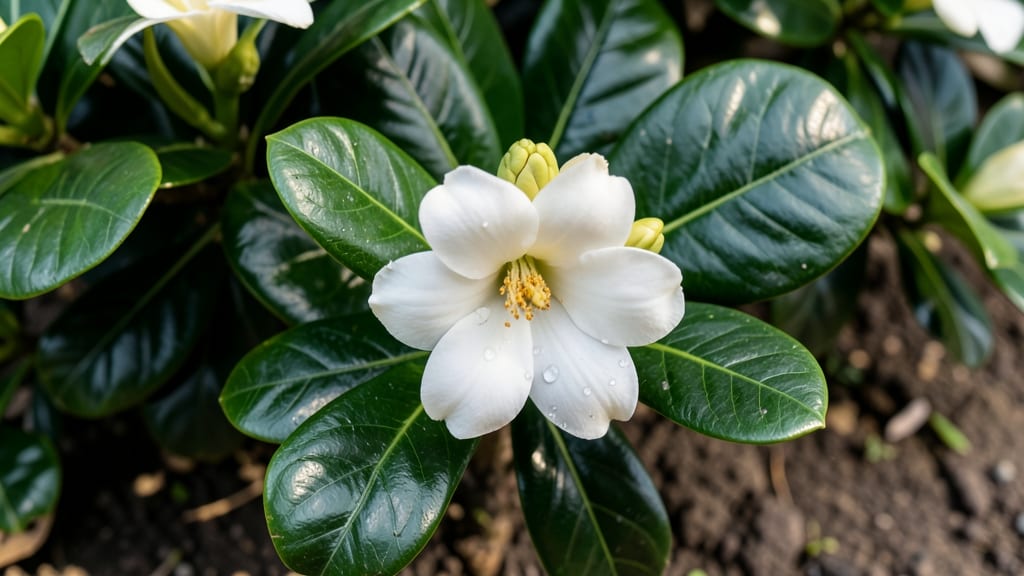
Deer eat gardenia bushes, especially young shoots and flowers, because their tender foliage and sweet fragrance make them irresistible. While mature leaves are less appealing, persistent browsing can weaken plants or kill them entirely. Protect your gardenias with physical barriers, repellents, or deer-resistant companion plants like boxwood.
Gardenias are particularly vulnerable because deer are drawn to their glossy, aromatic leaves and delicate blooms—especially during spring and summer when new growth is most tender. 🌿 Unlike hardier plants like azaleas or camellias, gardenias offer little resistance, making them a deer's preferred snack.
I've seen firsthand how a single deer can strip a gardenia of its flowers in just one night, leaving behind jagged edges on leaves that signal their presence.
To combat this, I recommend combining multiple strategies: install a 6-foot-tall fence around your garden, apply commercial deer repellents with capsaicin, or plant boxwood or holly nearby as natural deterrents. Even pruning back damaged branches can encourage bushier, less appealing growth patterns for deer.
💡 In This Article
- Why Deer Target Gardenia Bushes and Their Feeding Habits
- Effective Deer-Proofing Methods for Gardenia Bushes
Why deer target gardenia bushes and their feeding habits
Deer are naturally drawn to gardenia bushes because their tender young shoots and fragrant flowers provide both nutrition and an appealing scent. Gardenias contain compounds like monoterpenes in their leaves, which emit a sweet, citrusy aroma that deer find irresistible—similar to how they're attracted to roses or lilacs.
The texture of gardenia foliage is also softer than many other shrubs, making it easier for deer to consume without much chewing effort. 🌿 Unlike hardier plants like azaleas (which contain toxic grayanotoxins) or camellias (with leathery leaves), gardenias offer little chemical defense against deer browsing.
Seasonal patterns play a huge role in deer feeding behavior. During spring and early summer, when gardenias produce new growth and blooms, deer will target them aggressively—sometimes stripping entire branches bare in a single night.
Studies show that deer prefer plants with a high moisture content (like gardenia flowers) over drier, mature leaves. The sugar content in gardenia nectar also makes flowers a prime target, especially during late afternoon when deer are most active.
In contrast, mature gardenia leaves contain more tannins, which deer avoid due to their bitter taste.
What makes gardenias particularly vulnerable is their growth habit. Unlike shrubs that regrow from a thick base, gardenias often have a single central leader, making them more susceptible to damage from deer browsing.
A single deer can consume up to 1 pound of vegetation per day during peak browsing seasons, and gardenias—with their delicate structure—can't always recover from repeated attacks. This is why you'll often see jagged, uneven edges on gardenia leaves, a classic sign of deer feeding rather than natural dieback.
Interestingly, deer have a highly developed sense of smell (up to 1,000 times more sensitive than humans), which is why even small amounts of gardenia fragrance can attract them from long distances.
The sweet scent acts like a beacon, especially in early morning or evening when deer are most active. This sensory preference is why gardenias rank high on deer's preferred plant list, alongside favorites like hostas and daylilies.
The contrast with deer-resistant plants like boxwood (which have waxy, unpalatable leaves) highlights why gardenias require extra protection.
Another critical factor is gardenia's height and accessibility. Most gardenia bushes grow between 3 to 6 feet tall, placing their most desirable parts (flowers and new shoots) at perfect deer-browsing height. Unlike ground covers or tall trees, gardenias offer easy access to deer's preferred feeding zones.
This height advantage, combined with their scent and texture, creates a perfect storm of attractiveness for browsing deer—making them one of the most commonly targeted ornamental shrubs in deer-prone areas.
To put this into perspective, consider that a single deer can cause $400+ worth of damage per year to a well-established gardenia collection, based on average plant replacement costs.
The combination of scent, texture, and seasonal availability makes gardenias a high-risk plant for gardeners in areas with deer populations over 10 deer per square mile. Understanding these specific triggers is the first step in developing an effective deer-proofing strategy for your gardenias.