
Companion Plants
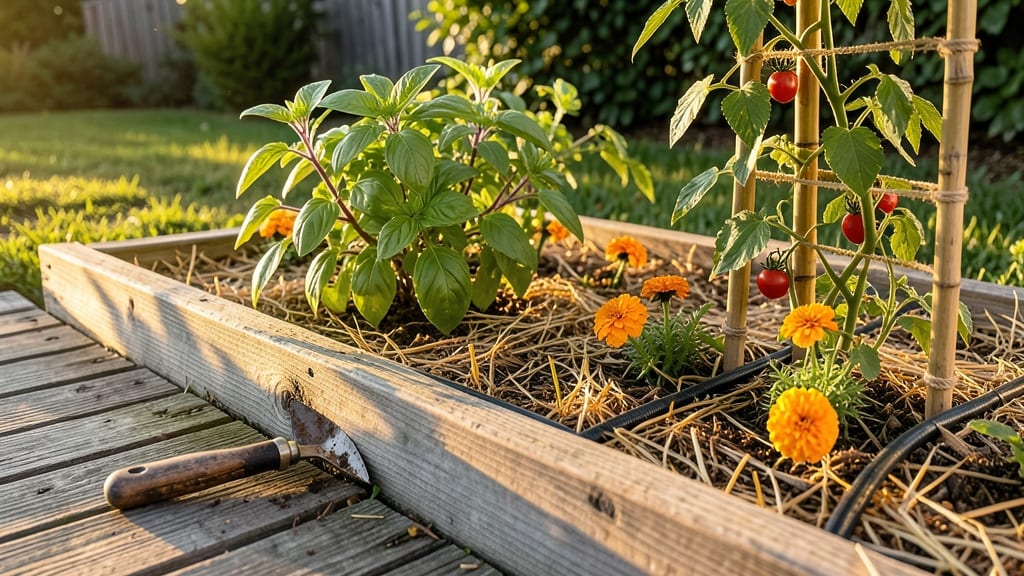
A companion garden layout 🌱🌿 turns your plot into a self-sustaining ecosystem where plants work together to repel pests, attract pollinators, and maximize every square foot.
Struggling with pests, poor pollination, or wasted space in your garden? A strategic companion garden layout can transform your plot into a thriving ecosystem where plants support each other naturally—while cutting down on chemicals and maximizing yields.
This isn’t just about throwing herbs near tomatoes—it’s about creating zones that work in harmony. Think of your garden as a three-act play: a pollinator hub at the center, a pest-repellent perimeter, and a high-maintenance core where the heavy hitters grow.
Below, I’ll walk you through the 3 proven zones that boost yields, deter pests, and make your garden easier to maintain—no green thumb required.
How to design a high-yield companion garden layout by plant zones
A companion garden layout isn't just about planting—it's about creating a self-sustaining ecosystem where every plant plays a role. The key lies in dividing your space into three strategic zones: a pollinator hub, a pest-repellent perimeter, and a high-maintenance core.
This approach maximizes yields, reduces pests, and attracts beneficial insects like bees and ladybugs. Whether you have a small urban plot or a large backyard, these zones work together to optimize growth and minimize waste.
Start by assessing your sunlight exposure and soil quality. Most companion gardens thrive with 6-8 hours of sun and well-draining soil. If your space gets partial shade, focus on shade-tolerant plants like bush beans or lettuce in the core zone.
The perimeter should always face south to maximize sunlight for pest-repellent plants like marigolds or nasturtiums. Sketch a rough layout before planting to visualize how tall plants will cast shadows over shorter ones.
| Zone | Purpose | Key Plants | Spacing | Sunlight Needs |
|---|---|---|---|---|
| Pollinator Hub | Attracts bees, butterflies, and ladybugs | Basil, borage, sunflowers, lavender | 12-24 inches apart | Full sun (6-8 hrs) |
| Pest-Repellent Perimeter | Deters pests like aphids and hornworms | Marigolds, nasturtiums, garlic, rosemary | 6-12 inches apart | Full sun to partial shade |
| High-Maintenance Core | Focus on high-yield crops needing care | Tomatoes, peppers, cucumbers, beans | 18-36 inches apart | Full sun (6+ hrs) |
The pollinator hub should be placed where it gets the most sunlight—typically the center or north side of your garden. Plant basil near tomatoes to improve flavor and deter flies, while borage attracts bees and repels tomato hornworms.
Use sunflowers as natural trellises for climbing plants like cucumbers or beans. This zone should be low-maintenance but high in diversity to support pollinators year-round.
Your pest-repellent perimeter acts as a protective barrier. Place marigolds around the edges—their strong scent confuses pests like aphids and Japanese beetles. Nasturtiums also work well, as they trap pests and are edible.
For vegetable gardens, interplant garlic or onions near carrots to deter carrot flies. This zone should be dense but accessible, allowing you to easily replace plants as needed.
In the high-maintenance core, focus on high-yield crops like tomatoes, peppers, and cucumbers. Use vertical spacing to save room—tall plants like tomatoes should go on the north side of shorter plants to avoid shading.
Pair basil with peppers to improve growth and flavor, and plant beans nearby to fix nitrogen in the soil. Mulch heavily to retain moisture and suppress weeds, which is critical in this zone.
When arranging plants, think in height layers. Start with tall plants like corn or sunflowers on the north side, followed by medium-height crops like peppers or bush beans, and end with low-growing plants like lettuce or strawberries on the south side.
This creates natural shade for heat-sensitive plants and improves airflow to prevent disease. Always leave 12-18 inches of space between rows for easy maintenance.
One of the biggest mistakes is ignoring plant maturity. For example, pole beans can grow 6-10 feet tall, while radishes mature in just 30 days. Plan your layout so fast-growing crops don’t get shaded out by slow-growing giants.
Rotate your high-maintenance core crops annually to prevent soil-borne diseases and pest buildup. For example, swap tomatoes and peppers every year to keep the soil healthy.
To maximize pest control, interplant aromatic herbs like mint, dill, or thyme throughout your garden. These plants naturally repel pests and attract beneficial insects. Avoid planting brassicas (like cabbage or kale) near strawberries, as they compete for nutrients and attract similar pests.
Instead, pair strawberries with bush beans or lettuce for a low-stress combination. Always monitor your garden for signs of stress—yellowing leaves or stunted growth can signal poor companionship.
Finally, don’t forget to mulch! A 2-3 inch layer of straw or wood chips keeps soil moist, suppresses weeds, and regulates temperature. In hot climates, mulch helps retain moisture, while in cooler zones, it insulates roots.
Water deeply in the morning to reduce evaporation and fungal risks. With these zones and strategies, your companion garden will thrive with minimal effort and maximum rewards. 🌱🌿🪴
Best companion plant pairings for each garden zone (with visual guide)
A well-planned companion garden layout maximizes space and minimizes pests by strategically pairing plants. The three key zones—pollinator hub, pest-repellent perimeter, and high-maintenance core—create a balanced ecosystem. In the core zone, focus on nitrogen-fixers like beans or peas to enrich soil naturally.
Surround this with aromatic herbs such as basil or dill in the perimeter to deter pests like aphids and spider mites.
For Zone 5-7 gardens, prioritize cold-hardy companions like kale and carrots in the core, paired with marigolds for their pest-deterrent properties. In warmer Zones 8-10, opt for peppers and eggplants alongside basil or oregano to boost flavor and repel insects.
Each zone benefits from seasonal rotation to prevent disease buildup, ensuring long-term garden health.
🌱 Visual Guide: Companion Plant Pairings by Zone
| Zone | Core Zone (High-Maintenance) | Perimeter (Pest-Repellent) | Pollinator Hub |
|---|---|---|---|
| Zones 5-7 | Beans, Peas, Kale, Carrots | Marigolds, Basil, Dill, Chives | Sunflowers, Lavender, Nasturtiums |
| Zones 8-10 | Peppers, Eggplants, Tomatoes, Cucumbers | Basil, Oregano, Rosemary, Thyme | Zinnias, Coneflowers, Bee Balm |
| All Zones | Nitrogen-fixers (Clover, Alfalfa) | Garlic, Onions, Mint (contained) | Alyssum, Borage, Fennel |
In the core zone, prioritize plants with similar water and sunlight needs to simplify maintenance. For example, tomatoes and basil thrive together in full sun, while lettuce and radishes prefer partial shade and consistent moisture.
The perimeter zone should include strong-scented herbs like rosemary or thyme to repel pests naturally, reducing the need for chemical interventions.
Rotate crops annually to prevent soil-borne diseases and nutrient depletion. For instance, swap tomatoes with beans in the core zone every season. This practice also disrupts pest life cycles, keeping your garden thriving. Always test soil pH before planting to ensure optimal growing conditions for your chosen companions.
For small urban gardens, use vertical space with trellises for cucumbers or pole beans, freeing up ground space for shallots or garlic. In larger plots, dedicate a pollinator-friendly corner with native wildflowers to attract bees and butterflies, boosting pollination rates for your entire garden.
A well-designed layout not only improves yields but also creates a self-sustaining ecosystem.
Start small with 3-5 companion pairs to test what works best in your space. Over time, refine your layout based on what thrives—and what doesn’t. With the right pairings, you’ll enjoy healthier plants, fewer pests, and a more productive garden with minimal effort. Happy planting! 🌿