
Featured
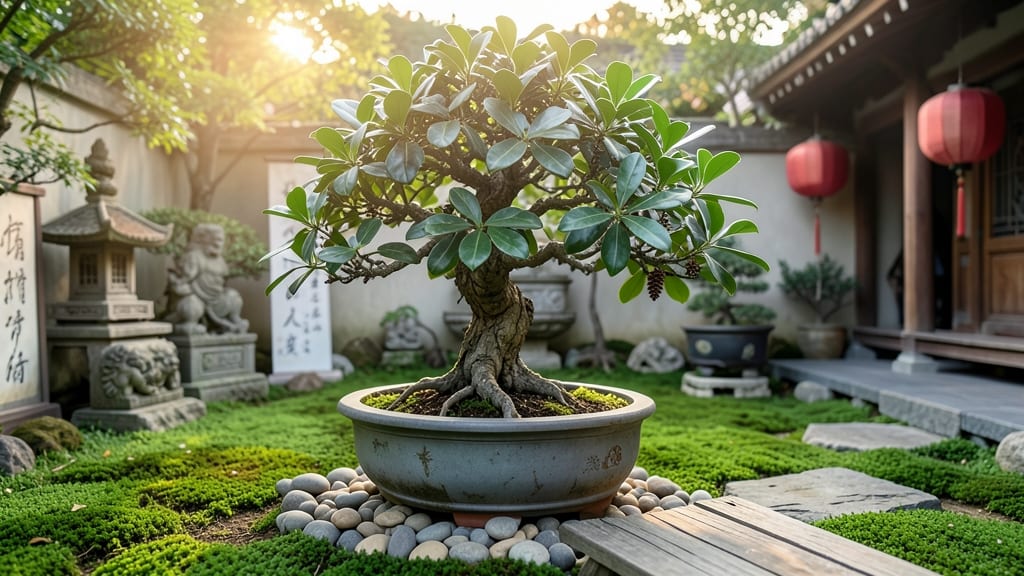
The Chinese Scholar Garden in Staten Island, NY, offers a breathtaking fusion of classical Chinese design elements—think tranquil pavilions, flowing koi ponds, and meticulously pruned bamboo—all harmonized with seasonal floral displays that transform the space into a serene retreat throughout every season.
The garden's layout isn't just decorative—it's a masterclass in Chinese garden philosophy, where every element has symbolic meaning. 🌿 The winding paths and water features follow yin-yang principles, creating balance between open and enclosed spaces, while the carefully selected plants (like plum blossoms and hostas) reflect traditional pairings that represent longevity and resilience.
What's fascinating is how the garden's designers incorporated Ming and Qing dynasty techniques to create this modern-day sanctuary, blending centuries-old traditions with Staten Island's natural beauty.
For those inspired to bring this aesthetic home, the garden's seasonal plantings offer practical inspiration. Spring azaleas and cherry blossoms create vibrant focal points, while fall chrysanthemums provide rich color contrast. The bamboo groves, though striking, require minimal maintenance—just regular pruning to control spread.
The koi ponds, another signature feature, need careful water quality management to keep the fish healthy and the ecosystem balanced.
What sets this garden apart is its ability to feel both timeless and refreshingly modern. The classical architecture with its curved eaves and stone lanterns contrasts beautifully with the lush greenery, creating a space that feels like stepping into another world.
Whether you're visiting for the first time or planning to recreate elements in your own yard, the garden's design principles offer endless inspiration for creating peaceful outdoor spaces. 🌸
💡 In This Article
- Design Principles Behind Staten Island’s Chinese Scholar Garden
- Seasonal Planting Highlights and Maintenance Tips for Home Gardeners
Design principles behind Staten Island’s Chinese scholar garden
The garden’s layout follows yin-yang harmony, a core principle where every element—from winding paths to water features—balances opposing forces. The central pond, for example, represents yin (water, stillness), while the surrounding bamboo groves embody yang (growth, vitality).
This duality isn’t just symbolic; it’s functional, creating microclimates that regulate temperature and humidity naturally. 🌿 The pavilions, positioned to frame views of the pond, use curved eaves and stone lanterns to mimic Ming dynasty architecture, where roofs often mirrored mountain shapes—a nod to the "heavenly" connection in Chinese cosmology.
Plant selection ties directly to symbolic pairings from classical literature. The garden’s pine-bamboo-plum trio (known as the "Three Friends of Winter") represents resilience: pines endure harsh winds, bamboo bends without breaking, and plums bloom in cold.
These plants thrive in Staten Island’s climate, with hostas providing lush foliage and orchids adding delicate color—both low-maintenance choices for home gardeners. The 12-foot-tall bamboo clumps are spaced 10 feet apart to prevent overcrowding, a technique borrowed from Qing dynasty gardens where containment symbolized discipline.
Water features play a practical and spiritual role. The koi ponds aren’t just decorative; they’re designed to reflect the sky (a yin element) while their gentle movement (yang) creates a soothing auditory experience.
The 3-inch-deep waterfalls use recirculating systems to minimize waste, a nod to sustainable Ming-era water management. Visitors often overlook how the stone bridges—another Ming staple—are positioned to guide the eye toward distant views, a technique called "borrowed scenery" that expands the garden’s perceived size.
What’s often missed is how the garden’s seasonal transitions reflect Chinese agricultural cycles. In spring, cherry blossoms and wisteria bloom alongside peony bushes, mirroring the Spring Festival traditions. By autumn, chrysanthemums and maples dominate, aligning with the Mid-Autumn Festival.
These shifts aren’t accidental—they’re rooted in the 24 Solar Terms calendar, where each plant’s lifecycle marks time. 🌸 The garden’s designers even used sloped planting beds to create natural drainage, a Qing dynasty innovation that prevents erosion while enhancing the landscape’s fluidity.
For those recreating this aesthetic, the key is proportion and layering. A 3:1 ratio of open to enclosed space (e.g., 9 sq ft of lawn to 3 sq ft of pavilion) creates balance, while three-tiered plantings—tall (bamboo), medium (hostas), and low (moss)—add depth.
The garden’s stone lanterns, spaced every 15 feet, not only illuminate paths but also frame views, a trick you can replicate with solar lights. Even the path widths (3-4 feet) follow Ming-era standards, ensuring comfort without overwhelming the space.
The garden’s genius lies in its subtle details—like the carved stone animals (dragons, lions) that guard entrances, each chosen for its lucky symbolism. A dragon, for instance, represents power but must face inward to ward off evil.
These elements work together to create a space that feels ancient yet timeless, proving that Staten Island’s garden isn’t just a replica, but a living interpretation of centuries-old wisdom. ✨