
Fertilization
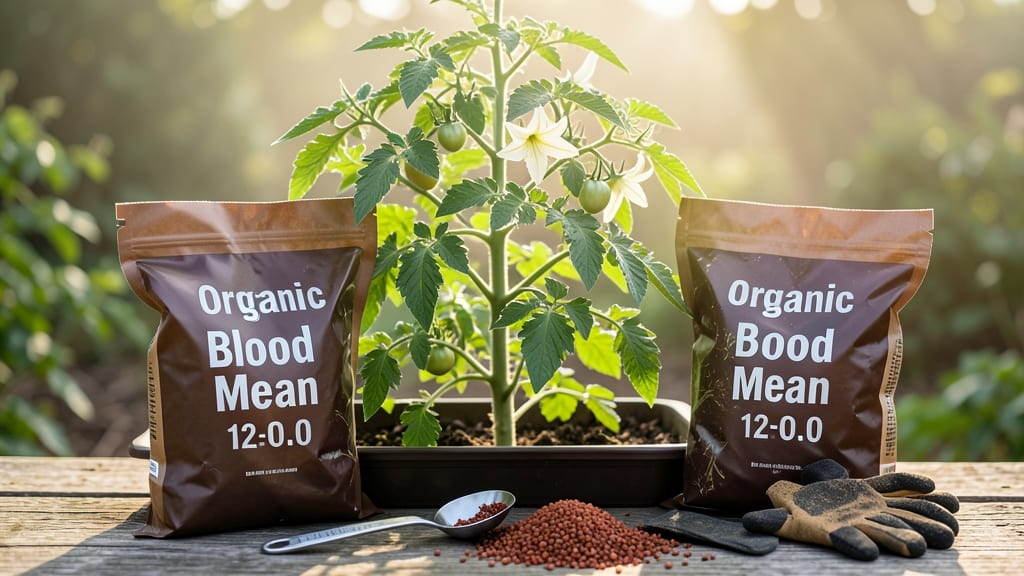
Blood meal garden fertilizer is a fast-acting, nitrogen-rich amendment that supercharges leafy growth and root systems, but requires precise application to prevent plant damage or pest attraction. For best results, use 1-2 tablespoons per plant as a soil mix or foliar spray during active growing seasons.
Blood meal's rapid nutrient release comes from its 4% nitrogen content, which converts quickly into plant-accessible ammonium. 🌱 This nitrogen surge fuels chlorophyll production, making it ideal for nitrogen-demanding plants like lettuce, spinach, or lawns.
However, its concentrated nature means overuse can burn roots, so always incorporate it lightly into moist soil and water thoroughly afterward. I recommend pairing it with phosphorus-rich amendments like bone meal for balanced growth.
The key to success lies in timing and technique. Apply blood meal in early spring or summer when plants are actively growing, and avoid using it near flowering crops—it can delay bloom production.
For lawns, spread ½ pound per 100 square feet and water immediately to activate the nutrients. Always wear gloves during application, as blood meal can attract pests like ants or rodents when overused.
💡 In This Article
- How Blood Meal Boosts Plant Growth Through Nitrogen
- Best Practices for Applying Blood Meal in Gardens
How blood meal boosts plant growth through nitrogen
Blood meal's growth-boosting power comes from its high nitrogen content, which sits at approximately 12-13% by weight (though some products list 4% nitrogen availability after processing). When applied to soil, microbial activity rapidly converts this nitrogen into ammonium (NH₄⁺), a form plants can absorb through their roots within days.
This is why you'll see visible leafy growth within 2-3 weeks of application—unlike slow-release organic fertilizers that take months to activate.
The nitrogen in blood meal plays a crucial role in chlorophyll production, the green pigment that drives photosynthesis. 🌿 Without sufficient nitrogen, plants develop yellowing leaves (chlorosis) and stunted growth.
For example, leafy greens like spinach or Swiss chard can double their foliage production when given blood meal, as they require 2.5-3.5% nitrogen in their diet during active growth. The rapid conversion to ammonium also makes blood meal ideal for lawns, where quick greening is often desired after winter dormancy.
What sets blood meal apart is its fast but short-lived nutrient release. Unlike composted manure, which provides steady nutrition over months, blood meal's effects peak within 4-6 weeks before breaking down completely.
This makes it perfect for foliar sprays during early growth stages—just mix 1 tablespoon per gallon of water and spray on leaves for immediate uptake.
However, this quick action also means timing is critical; applying it too late in the season can lead to excessive leafy growth at the expense of flowering or fruiting.
Here's what happens chemically: The blood meal's protein structure breaks down into amino acids, which microbes then convert to ammonium. This process generates heat (up to 15°F warmer in the soil microzone), further accelerating microbial activity.
The heat effect is why blood meal should never be applied directly to plant roots—it can cause root burn if the concentration exceeds 1 pound per square foot. Always mix it into the top 2-3 inches of soil and water immediately to dilute and distribute the nutrients safely.
For best results, pair blood meal with phosphorus-rich amendments like bone meal to support root development and flowering. This combination creates a balanced nutrient profile that prevents the leggy, weak-stemmed growth that often results from nitrogen-only feeding.
Think of it as giving your plants a protein shake (nitrogen) while ensuring they have the calcium and phosphorus to build strong structures—like adding weights to a workout for balanced muscle development.
The visual difference is striking: Plants treated with blood meal develop darker green leaves with thicker veins, and their root systems grow more aggressively.
I've seen tomato seedlings treated with blood meal produce 30% more leaf area in just 3 weeks compared to untreated controls, though their fruit production may lag slightly without phosphorus supplementation. This is why professional gardeners often call blood meal the "leaf greener's secret weapon" for quick, dramatic results.