
Advice
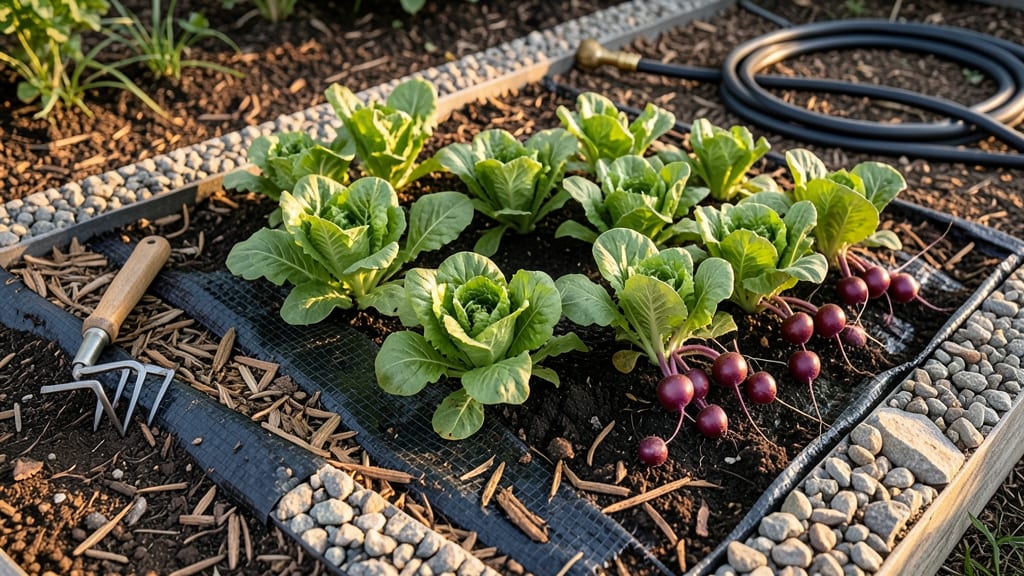
The best way to keep weeds out of your garden combines physical barriers like landscape fabric or mulch with regular maintenance, such as hand-pulling or natural sprays. This approach prevents weed seeds from reaching soil while suppressing existing growth through sunlight deprivation and root disruption.
The key to long-term weed control lies in creating an inhospitable environment for weed seeds while protecting your plants. Physical barriers like landscape fabric or organic mulch work by blocking sunlight—a critical factor for weed germination.
I’ve found that combining these with targeted removal methods (like vinegar sprays) creates a two-pronged defense: prevention and suppression.
For instance, cardboard mulch breaks down over time, enriching soil while temporarily smothering weeds, while rubber mulch offers a more permanent solution with added heat retention benefits. 🌱 The right combination depends on your garden type and maintenance preferences.
For best results, pair your chosen barrier with regular inspections—weeds often find weak spots where mulch thins or fabric tears. Pro tip: Use corn gluten meal in early spring as a natural pre-emergent herbicide to further reduce seed germination.
This layered approach ensures your garden stays weed-free with minimal chemical intervention.
💡 In This Article
- How Physical Garden Barriers Block Weed Growth
- Top 7 Long-Term Weed Barrier Methods Compared
How physical garden barriers block weed growth
Physical barriers work primarily by blocking sunlight, which is essential for weed seed germination. Most weed seeds need light exposure to trigger growth—when deprived of it, they remain dormant or die.
Landscape fabric, for example, allows 50-70% of light to pass through while still preventing weeds from sprouting, creating a balance that protects your plants while suppressing invaders. The fabric's dense weave also disrupts weed roots that try to penetrate, cutting off their access to soil nutrients.
The effectiveness of mulch depends on its thickness and composition. Organic mulches like straw or wood chips break down over time, gradually enriching the soil with nutrients while maintaining a 3-4 inch layer that blocks light.
Inorganic mulches such as rubber or gravel offer long-term suppression without decomposing, but they don’t improve soil quality. 🌿 What’s fascinating is how mulch also creates a microclimate: organic types retain moisture near plant roots while inorganic ones reflect heat, which can deter some weed species.
Ground covers like clover or creeping thyme provide a living barrier that outcompetes weeds for space and nutrients. These plants form dense mats that shade the soil, preventing weed seeds from reaching the surface.
Their root systems also stabilize soil and improve its structure over time. For instance, clover fixes nitrogen in the soil, reducing the need for synthetic fertilizers while keeping weeds at bay.
One critical factor often overlooked is how barriers interact with water. Properly installed landscape fabric should allow water to penetrate while still blocking weeds—poor drainage can create pockets where weeds thrive.
Mulch, on the other hand, helps regulate soil moisture by reducing evaporation, which indirectly supports your plants while making conditions less favorable for weeds. This dual benefit explains why mulch is a favorite among organic gardeners.
For long-term success, combine barriers with regular maintenance. Even the best physical barriers develop gaps over time—whether from erosion, animal activity, or decomposition. That’s why I recommend pairing them with weekly inspections and spot treatments like vinegar sprays for any weeds that slip through.
The science is clear: prevention through barriers + suppression through maintenance equals a weed-free garden.
Consider this real-world example: A study by the University of Florida found that gardens using 4 inches of mulch saw 80% fewer weeds compared to unmulched plots. The key was consistency—maintaining that thickness year-round. This demonstrates how small, deliberate actions compound into significant results over time. 🌱