
Pests
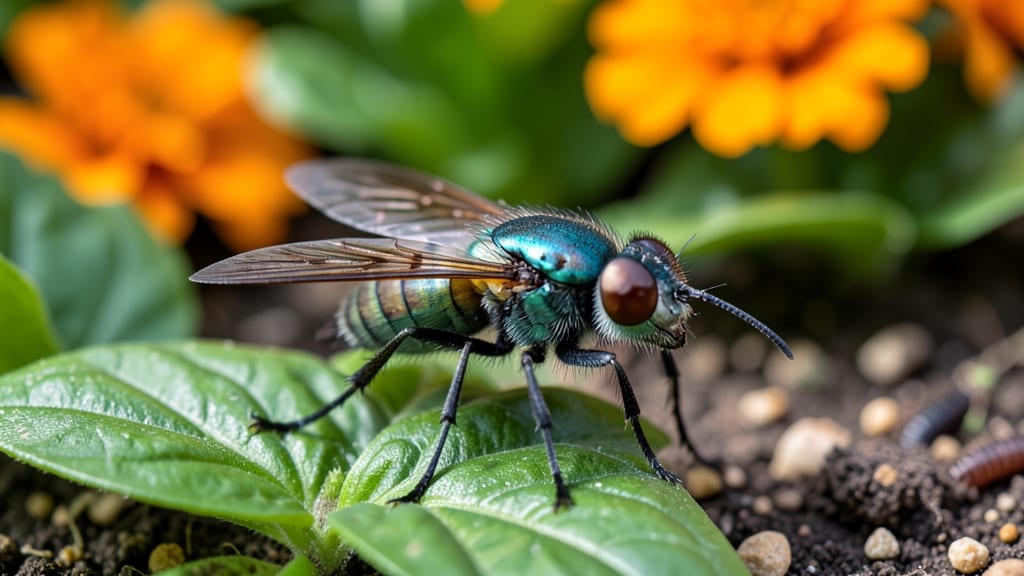
Keeping insects away from your garden naturally is easier than you think—with the right plant-based strategies, you can protect your crops without chemicals.
Picture this: You’ve just planted your hard-earned seedlings, only to wake up the next morning and find them chewed to a nub. It’s frustrating, but there’s a better way than reaching for sprays. The secret lies in repellent plants that work like nature’s pest control system.
From marigolds that deter nematodes to basil that keeps flies at bay, these 12 plant-based allies create a garden ecosystem where pests think twice before showing up. No toxic residues, no harm to pollinators—just a thriving, insect-free space that’s simple to maintain.
In this guide, I’ll walk you through the top repellent plants, how to plant them strategically, and common mistakes that might make them fail. By the end, your garden will be the envy of the neighborhood—and the bugs will be long gone.
12 Best plant-based repellents to naturally deter garden insects
Say goodbye to chemical sprays and hello to Mother Nature’s pest control! These 12 plant-based repellents work like magic to keep aphids, mosquitoes, beetles, and more from wreaking havoc in your garden.
The best part? They’re easy to grow and blend seamlessly into your landscape. Let’s explore the science-backed greenery that acts as your garden’s natural security system.
From marigolds that deter nematodes to basil that repels flies, these plants release compounds that confuse or repel insects. The key is strategic placement—think of them as your garden’s pest-proof armor.
Whether you’re battling tomato hornworms or mosquitoes, these plants offer a chemical-free solution that’s safe for your family, pets, and the environment.
🌿
| Plant | Target Pests | How to Use | Sunlight Needs |
|---|---|---|---|
| Marigolds | Aphids, Mosquitoes, Nematodes | Plant near tomatoes, peppers, and veggies | Full Sun |
| Basil | Flies, Mosquitoes, Thrips | Grow near cabbage, tomatoes, and peppers | Partial Sun |
| Garlic | Aphids, Japanese Beetles, Mosquitoes | Plant around roses, fruit trees, and veggies | Full Sun |
| Lavender | Moths, Fleas, Mosquitoes | Place near entryways or patio areas | Full Sun |
| Rosemary | Cabbage Moths, Carrot Flies, Mosquitoes | Grow near brassicas and carrots | Full Sun |
| Mint | Ants, Fleas, Mosquitoes | Plant in containers near problem areas | Partial Shade |
| Chives | Aphids, Carrot Flies, Japanese Beetles | Interplant with carrots, tomatoes, and apples | Full Sun |
| Nasturtiums | Aphids, Whiteflies, Squash Bugs | Plant near squash, cucumbers, and roses | Full Sun |
| Dill | Spider Mites, Aphids, Mosquitoes | Grow near cabbage, lettuce, and tomatoes | Full Sun |
| Catnip | Mosquitoes, Fleas, Cockroaches | Plant near patio or garden edges |