
Pruning
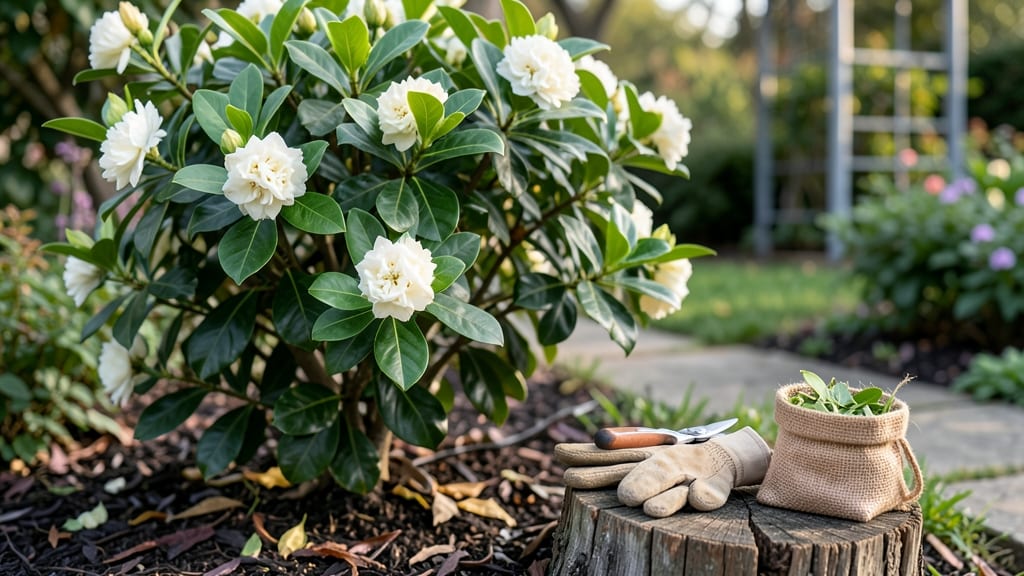
The best time to trim gardenias is right after they finish blooming in late spring or early summer 🌸 — that’s when you give your plant the best chance to rebound with next year’s fragrant flowers.
Struggling to keep your gardenias blooming beautifully year after year? The secret lies in timing—trimming at the wrong season can stunt growth or even kill your plant’s fragrance. If you’ve ever cut back too early or too late, you’ve probably noticed fewer blooms or leggy stems.
Most gardeners in USDA Zone 6a and beyond wait until June or early July to prune, once the flowers have faded. This timing lets the plant focus on new growth rather than wasted energy on spent blooms.
Below, I’ll walk you through the exact steps to prune your gardenias without stressing the plant, plus how to spot the signs of over-trimming and what to do if you’ve already gone wrong.
When to trim gardenias for maximum blooms: post-bloom season explained
If your gardenias are struggling to produce those fragrant, creamy blooms year after year, the issue might be when (and how) you're pruning them.
Gardenias follow a natural blooming cycle tied to seasonal growth patterns, and trimming at the wrong time can actually reduce next year’s flowers instead of encouraging them. The science behind post-bloom pruning reveals why late winter or early spring is the golden window for stimulating fresh, vigorous growth.
Gardenias bloom on new wood, meaning their flowers develop on the current season’s growth rather than old wood. When you prune after the blooms fade (typically in late winter or early spring), you’re removing spent flowers and shaping the plant while allowing unimpeded energy flow to new shoots.
This timing aligns with the plant’s natural dormancy break, ensuring it’s ready to burst into growth as temperatures rise.
Trimming in summer or fall sends mixed signals to your gardenia. During summer, the plant is already focused on maintaining blooms and foliage, so pruning can shock the system, leading to fewer flowers the following year. Wet summer conditions also create perfect conditions for fungal infections through open cuts.
Fall pruning is equally problematic because it stimulates new growth just as the plant prepares for dormancy, leaving tender shoots vulnerable to frost damage.
For gardeners in warmer climates (USDA zones 10-11), the timing shifts slightly. Since these regions rarely experience frost, you can trim as early as late January or February to capitalize on the longer growing season.
The key is to prune just after the last major bloom cycle of the previous year, giving the plant a head start on spring growth.
In cooler zones (7-9), wait until after the last frost date—typically March or early April—to avoid damaging new buds with unexpected cold snaps.
One common misconception is that you should prune gardenias right after they finish blooming in spring. While this might seem logical, it’s actually too early for most regions. The plant needs time to replenish energy reserves after flowering before you encourage new growth.
Aim to prune 4-6 weeks after blooms fade, giving the plant a buffer period to recover. This approach ensures your gardenia enters its next blooming cycle stronger and more productive.
The post-bloom trimming window also aligns with the plant’s natural hormonal shifts. As gardenias finish flowering, their auxin hormones (which promote cell elongation) begin to decrease, signaling the plant to focus on root and stem development rather than flowers.
Pruning at this stage removes competing growth (like spent blooms and weak stems) and redirects energy to healthier, more fragrant flower production next season.
If you’re in a transitional zone (like zone 8), pay close attention to microclimates in your garden. A south-facing gardenia might bloom earlier and benefit from an earlier pruning (late February), while a north-facing plant could need to wait until mid-April.
Always monitor local frost dates and adjust your timing accordingly. The goal is to prune when the plant is ready to grow, not on a rigid calendar.
Proper post-bloom pruning doesn’t just boost next year’s blooms—it also improves air circulation around the plant, reducing the risk of powdery mildew and other fungal diseases.
Thinning out overcrowded branches during this time allows sunlight to penetrate deeper into the shrub, which is crucial for strong, healthy foliage that supports abundant flowering. Think of it as a reset button for your gardenia, clearing the way for a more productive growing season.
To maximize your gardenia’s potential, combine post-bloom pruning with a light feeding of balanced fertilizer (10-10-10) in early spring. This nutrient boost supports the new growth you’ve encouraged through pruning. Avoid heavy fertilizers immediately after pruning, as they can burn tender new shoots.
Instead, opt for a slow-release organic fertilizer to provide steady nutrition as the plant ramps up growth.
Remember, the best time to trim gardenias is always after the blooms fade
Step-by-step guide: how to prune gardenias without killing the plant
Pruning gardenias might seem intimidating, but mastering the technique ensures vibrant blooms and healthy growth for years. The key lies in understanding where to cut and when to stop—both critical to avoiding stress or damage.
Start by inspecting your plant for dead or diseased branches, which should be removed first to prevent spread. Healthy stems, on the other hand, should only be trimmed back by one-third to maintain balance.
Before grabbing your tools, know that bypass pruners are ideal for clean cuts on thicker stems, while hand pruners work well for smaller branches. Avoid using shears—they crush stems, which can invite pests or disease.
Always sterilize your tools with rubbing alcohol to prevent contamination. Now, let’s dive into the step-by-step process to ensure your gardenias thrive after pruning.
⚠️ WARNING: Timing is EverythingNever prune gardenias in summer or fall! Trimming during these seasons stresses the plant, stunts new growth, and can even kill your shrub. The best time to trim gardenias is late winter or early spring (just after the last frost but before buds swell). This timing aligns with the plant’s natural growth cycle, ensuring it recovers quickly and blooms abundantly next season. If you’re in USDA zones 9-11, prune after the heaviest blooming period (usually late spring) to avoid disrupting flowering.
Start by removing dead, damaged, or crossing branches first. These are easy to spot—they’re brown, brittle, or lack leaves. Cut them back to the nearest outward-facing bud or branch junction. This step improves airflow and sunlight penetration, reducing fungal risks. Next, focus on shaping the plant.
Gardenias naturally grow in a rounded form, so aim to maintain that silhouette. Use your fingers to gently guide the branch while cutting at a 45-degree angle just above a bud or leaf node.
When thinning out overcrowded areas, never remove more than one-third of the plant’s foliage in a single session. This 1/3 rule prevents shock and ensures the plant can recover. Look for branches that are too close together or growing inward—they compete for nutrients and block light.
Cut these back to their base or to an outward bud. Always prioritize health over aesthetics; a slightly uneven plant will recover better than one over-pruned for perfection.
After pruning, inspect your cuts for smooth, clean edges. Ragged cuts can tear the bark, inviting pests or disease. If you accidentally make a jagged cut, use your pruners to trim it clean.
Next, give your gardenia a light fertilizer application (use a balanced 10-10-10 formula) to support new growth. Water deeply but avoid soaking the roots—moisture-stressed soil can lead to root rot. Mulch around the base with 2-3 inches of organic mulch to retain moisture and regulate soil temperature.
Watch your gardenia over the next few weeks for signs of recovery. New growth should appear within 4-6 weeks, and you’ll notice fresh, vibrant leaves emerging from the pruned areas. If you see yellowing leaves or wilting, it may indicate over-pruning or stress.
In this case, reduce watering slightly and avoid fertilizing until the plant shows signs of recovery. With proper care, your gardenia will reward you with lush foliage and fragrant blooms next season—proof that patience and precision pay off in the garden. ✂️🌸