
Planting
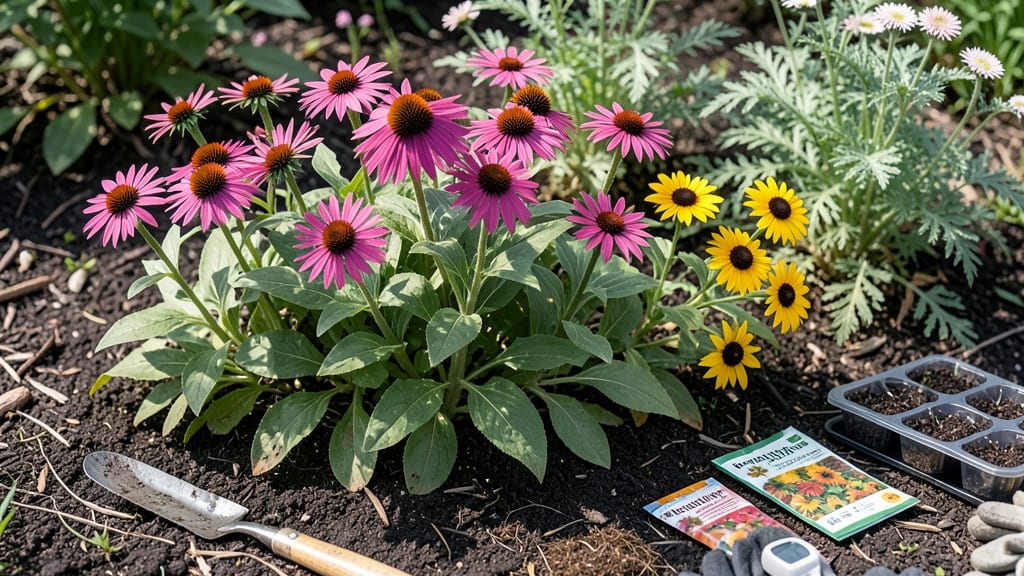
To plant a garden in North Dakota, timing is everything—your 120-140 frost-free days mean the difference between a bountiful harvest and a sad, wilted plot.
Picture this: you’ve prepped the soil, bought your seeds, and dreamed of fresh sunflowers and potatoes—only to watch a late frost turn your hard work into a sad, icy memory. North Dakota’s USDA Zones 3b-4b demand precision, and planting too early or too late can leave you scrambling.
Most gardeners here focus on late April through mid-June for spring crops, but fall planting (early August to mid-September) can extend your harvest into October. The key? Knowing when the last frost hits—usually mid-May—and adjusting for your microclimate, whether that’s a sheltered corner or an exposed hillside.
Below, I’ll break down the exact windows for your General Garden Plants 🌱, from cold-hardy greens to heat-loving tomatoes, plus how to protect your plants when the wind howls and the temps drop. Ready to make the most of your short growing season?
North Dakota planting calendar by hardiness zone 3-4: key dates for vegetables, flowers, and herbs
North Dakota’s USDA Hardiness Zones 3-4 present unique challenges with short growing seasons and unpredictable frosts. The average last frost date falls around May 15-20, while the first frost typically arrives September 15-20, giving gardeners just 120-140 frost-free days.
Timing is everything—plant too early and risk frost damage, too late and miss peak harvests.
To maximize your garden’s potential, focus on cool-season crops in early spring and warm-season crops after soil warms to 50°F or higher. Fall planting is also critical for cold-hardy vegetables like kale and spinach, which can thrive into late autumn.
Below is your tailored month-by-month planting guide for North Dakota’s climate.
In March, kick off your garden by sowing cold-hardy vegetables like peas and spinach directly into the soil or start them indoors. These early spring crops can tolerate cooler temperatures and even light frosts.
Use row covers or cold frames to extend the season if needed. This is also the time to prepare your soil by adding compost and ensuring proper drainage.
By April, focus on cool-season crops such as broccoli, cabbage, and radishes. These plants thrive in 40-50°F soil temperatures and can be direct-sown once the last frost date has passed.
If you’re unsure, use frost cloth to protect tender seedlings. April is also ideal for perennial flowers like lavender and coneflowers, which establish roots early for better winter hardiness.
When May arrives, shift your focus to warm-season crops like tomatoes, peppers, and basil. These plants need warmer soil temperatures (55-65°F) and should only be planted after the last frost risk has passed.
Use black plastic mulch to warm the soil faster and consider starter plants from local nurseries to get a head start. Succession planting of lettuce and radishes can also continue for a continuous harvest.
June marks the peak planting season in North Dakota, with cucumbers, beans, and squash thriving in the <
How to adjust planting times for North Dakota’s unpredictable weather: frost-proofing tips and microclimate strategies
North Dakota’s unpredictable frost dates and short growing season (just 120-140 frost-free days) can make planting feel like a high-stakes game. But with the right strategies, you can extend your season and protect tender plants from late frosts.
The key is flexibility—knowing how to read your local microclimate and adjust planting times dynamically.
Start by monitoring local frost forecasts from sources like the National Weather Service or NDSU Extension. These provide last frost dates (typically May 15-30) and first frost warnings (usually September 10-20).
However, these are just averages—your microclimate (like a south-facing slope or urban heat island) can shift these dates by 1-2 weeks.
🌱 5 Critical Adjustments for ND’s Weather
- 1. Plant frost-tolerant varieties like peas, kale, and spinach 4-6 weeks before your last frost date. These can handle 25-30°F without damage.
- 2. Use row covers (like frost blankets) to protect seedlings from light frosts (28-32°F). Remove during the day for pollination.
- 3. Set up cold frames or low tunnels to trap heat and extend the season by 3-4 weeks in both spring and fall.
- 4. Adjust planting dates based on soil temperature, not air temperature. Use a soil thermometer—most crops need 50°F+ for roots to thrive.
- 5. Succession plant heat-lovers like tomatoes and peppers every 2-3 weeks after your last frost to stagger harvests.
Microclimates play a huge role in ND gardening. For example, urban areas often stay 5-10°F warmer than rural zones due to concrete and buildings retaining heat. If you’re in a warmer microclimate, you can plant heat-loving crops like cucumbers or beans 2 weeks earlier.
Conversely, low-lying areas or windy spots may need row covers or windbreaks to protect young plants.
Another game-changer is succession planting. Instead of planting all your lettuce or radishes at once, sow small batches every 10-14 days. This ensures a continuous harvest and reduces the risk of losing your entire crop to a late frost.
For example, if your last frost is May 20, plant radishes every 2 weeks until June 15 to enjoy fresh harvests all summer.
Don’t overlook fall planting—ND’s cool nights and long daylight in September are perfect for cool-season crops. Plant broccoli, carrots, and kale in early August for harvests before the first frost.
Use mulch (straw or leaves) to insulate soil and keep roots warm, which can delay frost damage by 2-3 weeks.
Finally, keep a gardening journal to track your actual frost dates, planting successes, and weather patterns over the years. This helps you refine your schedule each season.
For instance, if you notice late May frosts year after year, delay planting tomatoes by 10 days or use black plastic mulch to warm the soil faster.