
Fertilization
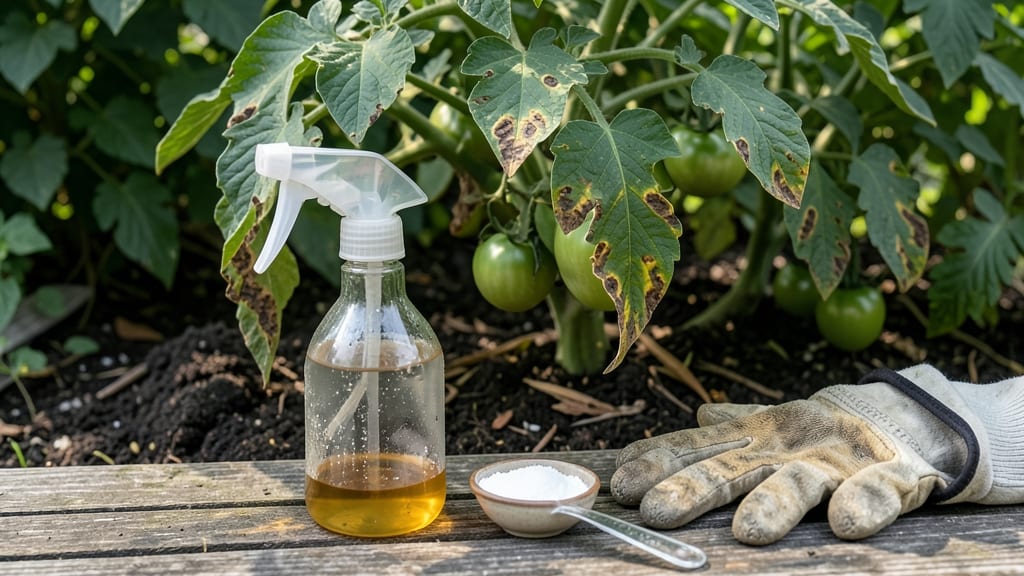
Baking soda in the garden helps neutralize soil acidity, deter pests like slugs and aphids, and remove mildew from leaves when applied correctly. Always test on small areas first to avoid plant damage or pH imbalance.
This versatile household staple works because its alkaline properties disrupt fungal growth and deter pests naturally. 🌱 For example, a simple spray mix of 1 teaspoon baking soda with 1 quart of water can treat powdery mildew on roses or tomatoes—just add a drop of dish soap as a surfactant.
However, it's crucial to avoid overusing it, as too much can raise soil pH beyond what most plants tolerate, especially acid-loving varieties like hydrangeas or blueberries.
When using baking soda for pest control, timing matters: apply in the early morning or evening to avoid harming beneficial insects like bees. Always monitor your plants' response, as some varieties may show leaf burn if the mixture is too concentrated.
The key is balance—baking soda can be a garden superhero when used thoughtfully!
💡 In This Article
- How Baking Soda Alters Soil pH and Fights Fungal Diseases
- Safe Garden Applications: Dosage, Spray Mixes, and Plant-Specific Tips
How baking soda alters soil pH and fights fungal diseases
Baking soda, or sodium bicarbonate (NaHCO₃), acts as a mild alkaline agent that temporarily raises soil pH when applied. Most garden soils fall between pH 6.0 and 7.0, but many plants—like azaleas and blueberries—thrive in acidic conditions (pH 4.5-5.5).
When you sprinkle baking soda into the soil, it reacts with water to form sodium hydroxide (NaOH), which neutralizes acidic compounds like aluminum and manganese ions that inhibit root growth. This chemical reaction creates a more balanced environment for acid-sensitive plants.
The antifungal properties come from baking soda's ability to disrupt fungal cell membranes. Powdery mildew spores, for example, rely on a slightly acidic environment to germinate.
When you spray a 1 teaspoon baking soda + 1 quart water solution (with a drop of dish soap as a surfactant), the alkaline environment creates osmotic stress that ruptures fungal hyphae.
Studies show this method can reduce mildew by up to 70% when applied every 7-10 days during humid conditions. The key is consistency—fungi adapt quickly to single treatments.
For soil applications, use no more than ½ cup per 10 square feet per season to avoid over-alkalizing. Test your soil's pH first with a kit (ideal range for most veggies is 6.0-7.0), then recheck after 4-6 weeks.
Overuse can lead to nutrient deficiencies, especially for plants like potatoes or strawberries that prefer slightly acidic soil. The visual telltale sign of imbalance is yellowing leaves with green veins—a classic sign of manganese deficiency caused by excessive alkalinity.
What most gardeners don’t realize is that baking soda’s effectiveness depends on moisture. When dry, it forms a crust that prevents proper absorption. Always water the soil thoroughly 24 hours before applying baking soda and follow up with another watering to activate the chemical reaction.
For foliar sprays, apply when leaves are dry to avoid burning tender shoots. The solution should feel slightly gritty but not clumpy—too much baking soda can leave a white residue that blocks sunlight.
Consider these plant-specific thresholds for safe use:
- Acid-loving plants (e.g., rhododendrons, blueberries): Avoid soil applications; use only foliar sprays sparingly (1 tsp/quart max).
- Neutral-range plants (e.g., tomatoes, peppers): Safe for both soil and foliar use, but monitor pH closely.
- Alkaline-tolerant plants (e.g., lavender, rosemary): Can handle soil applications but may show signs of stress if pH exceeds 7.5.
The science behind baking soda’s dual role lies in its dual nature: it’s both a weak base and a buffering agent. This means it won’t permanently alter soil chemistry like lime (calcium carbonate), but it provides a quick, natural boost for fungal control.
For long-term pH adjustments, organic matter like compost or peat moss is far more sustainable. 🌱