
Fertilization
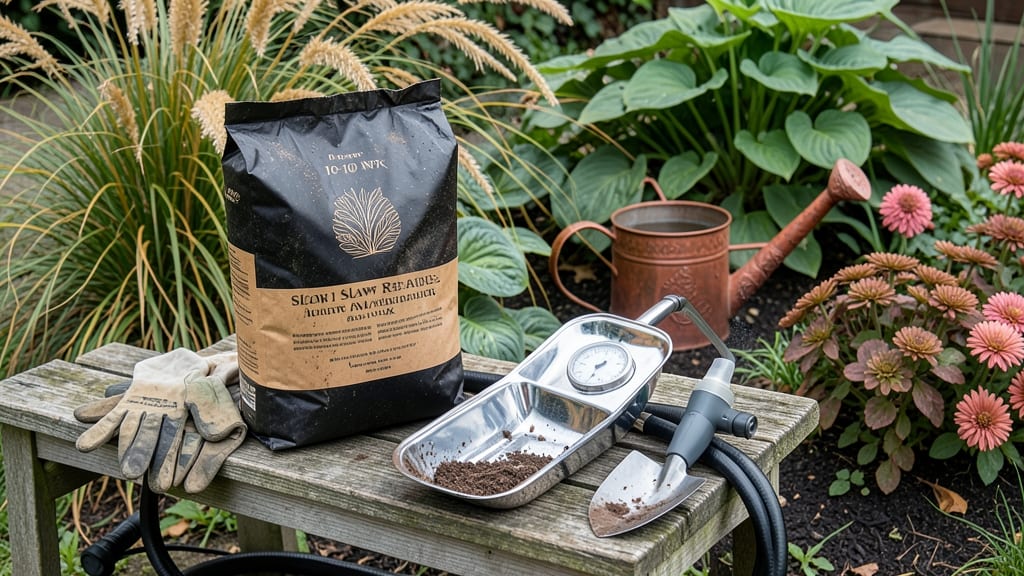
Autumn fertilizer garden needs focus on nutrient-rich options like compost, bone meal, or balanced 10-10-10 blends to fortify plant roots before winter dormancy. Apply these 4-6 weeks before the first frost to maximize effectiveness while avoiding nitrogen-heavy products that encourage late-season growth.
Fall fertilization works by delivering essential nutrients—especially phosphorus and potassium—when plants need them most to prepare for dormancy. 🌱 These nutrients strengthen root systems and help store energy for spring growth, while the slow-release nature of organic options prevents nutrient runoff during winter rains.
Unlike spring feeding, which prioritizes nitrogen for leafy growth, autumn fertilization shifts focus to root development and winter hardiness.
For best results, choose fertilizers with higher middle numbers (like 10-10-10) to emphasize phosphorus and potassium. 💛 Organic options such as well-aged compost or bone meal provide additional benefits by improving soil structure and microbial activity.
Always test your soil first—this helps you determine if additional nutrients are needed before applying any fertilizer.
💡 In This Article
- How Autumn Fertilizers Boost Root Growth Before Winter
- Best Fall Fertilizer Types for Different Garden Plants
How autumn fertilizers boost root growth before winter
Autumn fertilization works by delivering nutrients that plants can't access during winter dormancy. The key nutrients—phosphorus and potassium—play distinct roles in preparing plants for cold weather.
Phosphorus (P) helps develop strong root systems and energy storage compounds like starches, while potassium (K) regulates water balance and cell structure. Together, they create a "root buffer system" that helps plants withstand freezing temperatures and recover faster in spring. 🌱
Slow-release fertilizers are ideal because they provide a steady nutrient supply over 6-8 weeks, matching the plant's natural uptake rate in cooler soil. Organic options like compost or bone meal break down gradually, releasing nutrients as soil microbes become active again in fall.
For example, bone meal contains 3-4% nitrogen, 15-20% phosphorus, and 0% potassium, making it perfect for root development without promoting late-season growth. Synthetic options like 10-10-10 blends offer balanced nutrition but require precise application to avoid over-fertilization.
Soil microbes play a crucial role in this process. As temperatures drop to 50-60°F, beneficial bacteria and fungi become more active, breaking down organic matter into plant-available forms. This microbial activity peaks in early autumn, creating a "nutrient priming" effect that helps plants store energy for winter.
Unlike spring fertilization, where nitrogen (N) is prioritized for leafy growth, autumn applications focus on phosphorus and potassium to strengthen roots and improve cold resistance.
The timing of 4-6 weeks before first frost is critical because it allows plants to absorb nutrients without flushing new growth that could be damaged by cold.
For instance, in USDA Zone 5 (where first frost typically occurs in late October), applying fertilizer in early to mid-September ensures plants have time to utilize nutrients before dormancy. In warmer zones (like Zone 8), you can extend this window to late October or early November. 💛
Nitrogen-heavy fertilizers are avoided in fall because they promote tender, fast-growing shoots that are vulnerable to frost damage. A 10-10-10 blend provides balanced nutrition without overemphasizing nitrogen, while organic options like compost add additional benefits like improved soil structure and moisture retention.
The goal is to create a resilient root system that can withstand winter stress and emerge stronger in spring.
Consider this example: Perennial flowers like coneflowers or black-eyed Susans benefit from a 5-10-10 fertilizer applied in early autumn. The higher phosphorus content encourages root expansion, while the moderate potassium helps plants prepare for dormancy.
In contrast, lawns may require a 0-0-30 potassium fertilizer to improve cold hardiness without promoting excessive top growth. Always match the fertilizer to the plant's specific needs and your local climate zone.