
How To
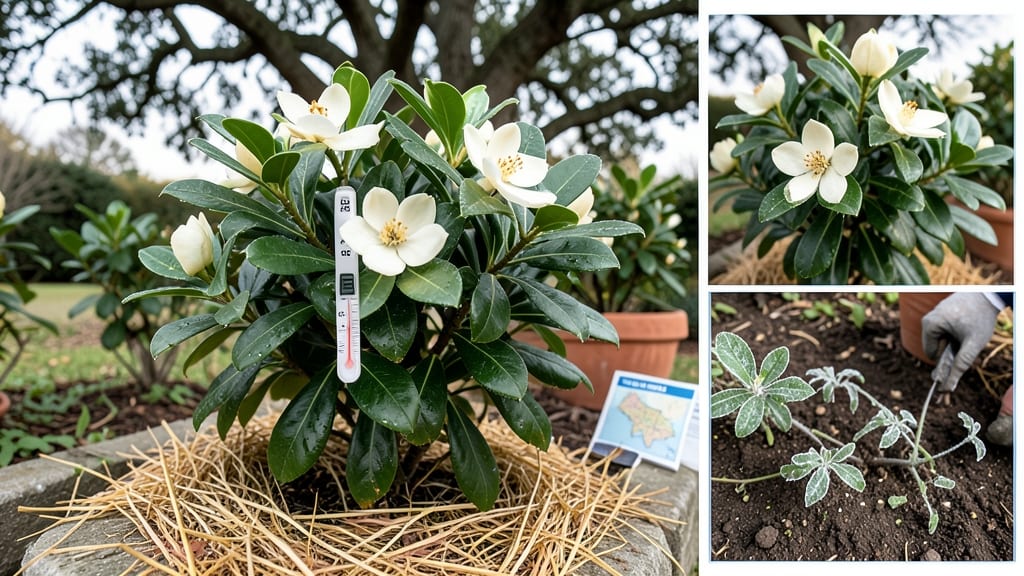
The August Beauty gardenia's cold tolerance reaches 28–30°F (-2 to -1°C), but temperatures below 32°F (0°C) for extended periods can cause leaf discoloration and bud death. Strategic protection methods like mulching and windbreaks help safeguard this variety in cooler regions.
The August Beauty gardenia's resilience comes from its tropical origins, but it's not frost-hardy like some gardenia varieties. 🌿 When temperatures hover around 32°F (0°C), the plant enters a vulnerable state where water in its cells begins to crystallize, leading to cellular damage.
This variety thrives best in USDA zones 9-11, where winter temperatures rarely drop below freezing. For gardeners in marginal zones (8-9), creating a microclimate with protective covers or choosing sheltered planting locations can make all the difference in preserving both foliage and those prized white blossoms.
What sets this gardenia apart is its sensitivity to temperature fluctuations more than absolute cold—rapid drops can stress the plant just as much as prolonged exposure. This is why I always recommend monitoring forecasts and preparing protective measures well before the first frost.
A thick layer of organic mulch (like shredded bark) not only insulates roots but also helps retain soil moisture, which is crucial during winter's drying winds.
💡 In This Article
- August Beauty Gardenia Cold Survival Science
- Protecting August Beauty Gardenias in Chilly Climates
August Beauty gardenia cold survival science
The August Beauty gardenia's cold tolerance hinges on its cellular structure and moisture content. When temperatures drop to 32°F (0°C), water within the plant's cells begins to form ice crystals, disrupting cell membranes and causing irreversible damage.
The leaves, being more exposed, show the first signs of stress—yellowing edges or brown spots—while buds often fail to open after cold exposure. This variety's tropical heritage means its roots also struggle below 30°F (-1°C), where soil moisture freezes and becomes inaccessible.
What makes this gardenia particularly vulnerable is its sensitivity to temperature fluctuations. A sudden drop from 50°F (10°C) to 28°F (-2°C) can cause more damage than a steady freeze, as rapid changes prevent the plant from acclimating.
The buds, which contain concentrated sugars and water, are especially susceptible—exposure below 32°F (0°C) for just 4-6 hours can lead to bud death before the leaves even show signs of distress. This is why gardeners in USDA zone 8 often see their gardenias bloom poorly after winter.
The plant's survival mechanism kicks in through a process called "cold hardening," where it gradually adjusts to cooler temperatures by increasing sugar content in its cells. However, this process takes 2-3 weeks of gradually decreasing temperatures and requires stable conditions—something rare in unpredictable spring frosts.
Without this preparation, the August Beauty gardenia's delicate tissues simply can't withstand the stress, leading to the characteristic winter dieback many gardeners observe.
Root insulation plays a critical role in cold survival. Gardenias have shallow root systems that spread horizontally rather than deeply, making them more susceptible to ground-level temperature swings. When soil temperatures drop below 35°F (2°C), root activity slows dramatically, cutting off the plant's nutrient and water supply.
This is why mulching isn't just about protecting the roots—it's about maintaining a stable thermal buffer that keeps the soil 5-10°F warmer than the air temperature above.
Interestingly, the August Beauty's white flowers actually provide some natural protection. The dense petals create a microclimate that traps heat around the buds, offering 2-3°F of insulation compared to exposed foliage.
However, this protection only works when temperatures stay above 32°F (0°C)—once frost forms on the petals, the buds beneath become vulnerable to ice damage within minutes. This delicate balance explains why gardeners often see perfect foliage but no blooms after a cold winter.
For those pushing this variety to its limits in zone 8, understanding these physiological responses helps explain why some plants survive while others fail. The key difference often comes down to consistent moisture levels in the soil and minimizing wind exposure—both of which accelerate water loss and cold stress.
A well-mulched gardenia with proper winter care can push its cold tolerance closer to 26°F (-3°C) for short durations, but the risk of damage always increases below 30°F (-1°C). 🌬️