
Container Gardens
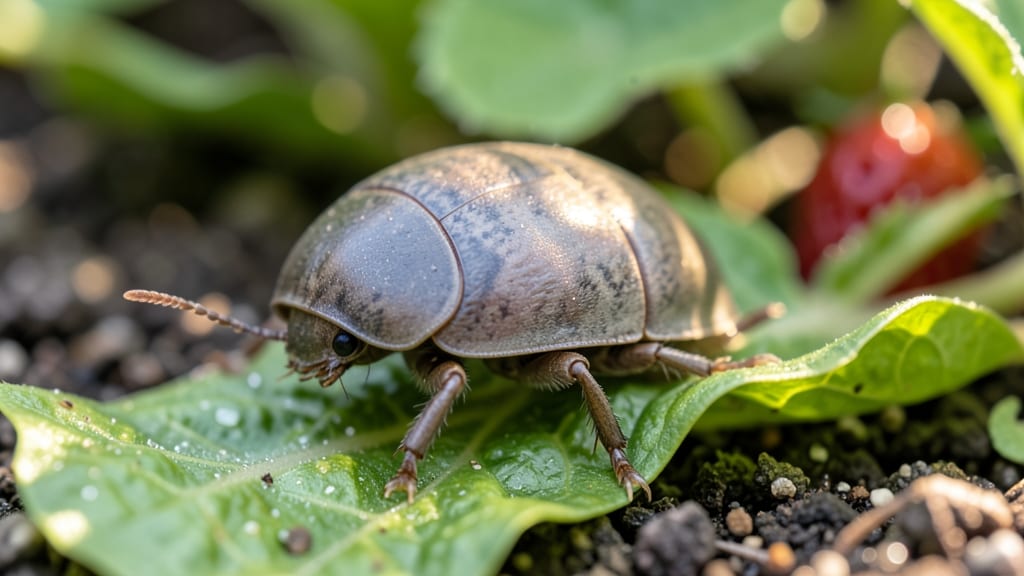
Pill bugs are not bad for gardens—they break down organic matter, aerate soil, and help decompose plant debris, improving soil health and fertility while deterring pests like slugs naturally.
These little armored critters are actually soil superheroes. 🌱 They digest decaying leaves and plant waste, turning it into nutrient-rich compost that feeds your plants. Their tunneling habits also improve soil drainage and aeration, which helps roots grow stronger.
Plus, their presence often means fewer slugs and snails—nature's way of keeping pests in check without chemicals.
Think of them as tiny ecosystem engineers: their activity boosts microbial life in the soil, which in turn helps your plants absorb water and nutrients more efficiently. The key is balance—while they're generally helpful, an explosion of pill bugs might indicate overly moist soil or too much organic debris.
In that case, simply reduce watering slightly or spread out leaf litter more evenly.
💡 In This Article
- How Pill Bugs Benefit Soil and Plant Growth
- Managing Pill Bug Populations in Your Garden
How pill bugs benefit soil and plant growth
Pill bugs, also called woodlice, are nature's composters—they shred organic debris like fallen leaves, dead plant matter, and even small twigs using their strong mandibles. Their digestive systems break down cellulose-rich materials into simpler compounds that enrich the soil with nitrogen, phosphorus, and potassium.
Studies show they can process up to 50% of their body weight in organic matter daily, making them far more efficient than many commercial composters!
Their tunneling behavior aerates compacted soil by creating tiny channels that improve water penetration and root development. Imagine a garden where roots can spread freely—pill bugs help make that possible. Their activity also stimulates microbial growth, as these soil-dwelling organisms thrive in the nutrient-rich environment pill bugs create.
This microbial boost enhances nutrient availability for plants by up to 30% in some cases.
What's often overlooked is their role in natural pest control. Pill bugs compete with slugs and snails for food and habitat, often reducing their populations by 20-40% in gardens where they're active.
Their presence means fewer chemical pesticides needed, creating a healthier ecosystem. The key is their balanced diet—they prefer decaying plant material over living plants, so they won't harm your vegetables or flowers.
These tiny creatures also help with seed germination. Their tunneling mixes soil layers, bringing nutrients to the surface where seeds can establish. In forest ecosystems, they're crucial for recycling nutrients back into the soil—gardeners can replicate this benefit by providing them with moist, shady habitats filled with leaf litter.
Their activity creates a self-sustaining cycle where organic waste becomes plant food.
Consider this: a single pill bug can process 1 gram of organic matter per week. In a 10-square-foot garden bed, a healthy population could handle 50-100 grams of debris weekly—that's equivalent to keeping a small compost pile tidy!
Their work reduces thatch buildup and prevents soil compaction, both of which can strangle plant roots if left unchecked.
For gardeners concerned about aesthetics, pill bugs are most active in damp, shaded areas under mulch or logs. Their presence is a sign of healthy soil biology rather than a problem.
In fact, many organic gardeners intentionally create microhabitats for them by leaving leaf litter and using wood chip mulch—this simple practice can transform your garden's productivity.