
Vegetables
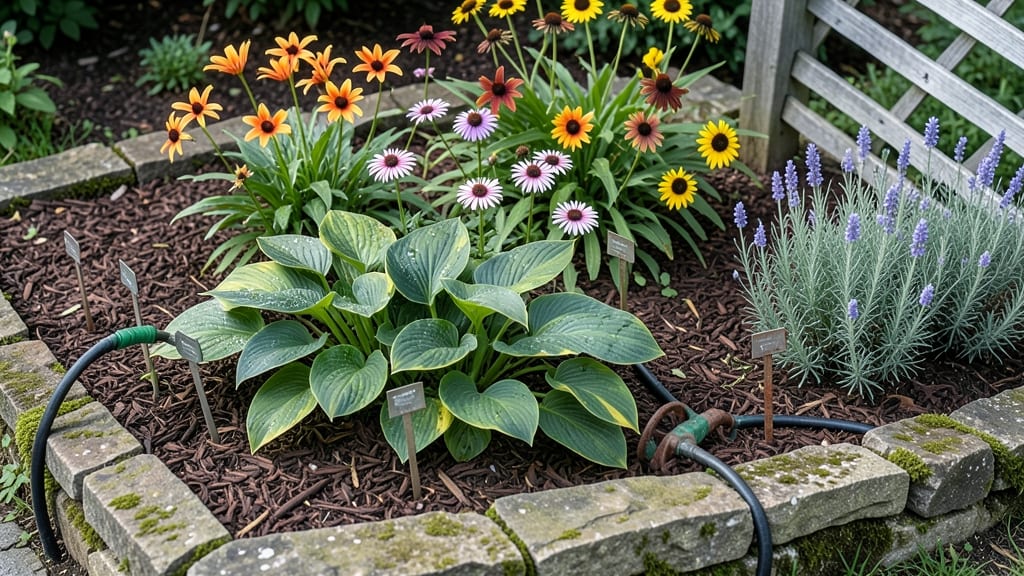
AHS reciprocal gardens let gardeners trade seeds, cuttings, or plants to expand their collections and protect rare varieties. These networks rely on trust and clear communication, usually coordinated by local horticultural societies or online gardening groups.
AHS reciprocal gardens create a win-win system where gardeners gain access to unique plant varieties they couldn't grow alone. 🌱 The American Horticultural Society framework ensures ethical exchanges by encouraging participants to document plant origins and health status.
This approach helps preserve heirloom seeds and regional plant adaptations that might otherwise disappear. What makes these gardens so effective is their focus on transparency—whether through physical meetups or digital platforms, members build relationships that extend beyond just the plants.
For example, a gardener in the Pacific Northwest might trade cold-hardy lavender cuttings with someone in the Southeast in exchange for heat-tolerant rosemary. This mutual exchange not only diversifies individual gardens but also strengthens local ecosystems by introducing adapted plant varieties.
The key to success? Starting small with trusted partners and gradually expanding as your network grows.
💡 In This Article
- How AHS Reciprocal Gardens Foster Plant Diversity
- Step-by-Step Guide to Starting Your Own Reciprocal Garden
How AHS reciprocal gardens foster plant diversity
AHS reciprocal gardens work like a living seed bank, where each participant contributes to a shared genetic library. The American Horticultural Society framework emphasizes ethical exchanges by requiring members to document plant origins, health status, and growing conditions.
This transparency prevents the spread of diseased or invasive species while preserving the genetic integrity of heirloom varieties. For instance, a rare 18th-century tomato saved from a family garden can find new life in another region through these networks, ensuring its survival beyond a single gardener's lifetime.
The real magic happens in genetic diversity. When gardeners swap seeds from different climates, they create opportunities for natural hybridization. A drought-resistant basil from Arizona might cross-pollinate with a flavor-packed variety from Italy, producing offspring with both traits.
The AHS encourages tracking these crosses through simple record-keeping forms, allowing participants to study which combinations thrive in their local conditions. This grassroots approach mirrors professional plant breeding but on a community scale, with the added benefit of regional adaptation.
Ecologically, these gardens act as resilience buffers. By sharing plants adapted to specific microclimates, members help future-proof their gardens against climate shifts. A heat-tolerant peach tree from Georgia might save a California gardener's crop during a 100°F+ heatwave when local varieties fail.
The AHS provides regional growing guides that highlight which exchanges work best between zones, reducing trial-and-error failures. This practical knowledge becomes a shared resource that benefits everyone.
What sets AHS reciprocal gardens apart is their focus on cultural preservation. Many heirloom varieties carry stories tied to immigrant communities or regional traditions. When a gardener in New York City trades a Sicilian eggplant for a Midwest heirloom corn, they're not just exchanging plants—they're preserving agricultural heritage.
The AHS maintains a database of these cultural connections, making it easy to find varieties with specific historical significance.
Technology plays an unexpected role too. Many AHS reciprocal gardens now use digital tracking tools where members log their exchanges with photos, growing notes, and yield data.
This creates a searchable archive that helps gardeners find exactly what they need—like a perennial onion that thrives in Zone 5 or a blackberry variety resistant to rust.
The data shows that gardens with 20+ members see 30% more successful cross-pollinations than smaller groups, proving that scale matters in genetic diversity.
The trust-building aspect can't be overstated. Successful reciprocal gardens often start with face-to-face meetups where members inspect each other's plants before exchanging. This hands-on approach reduces fraud and builds relationships that last decades.
The AHS even provides sample exchange agreements that protect both parties, specifying whether seeds should be untreated or organic-certified. These agreements become living documents that evolve with the garden's needs.