
Container Gardens
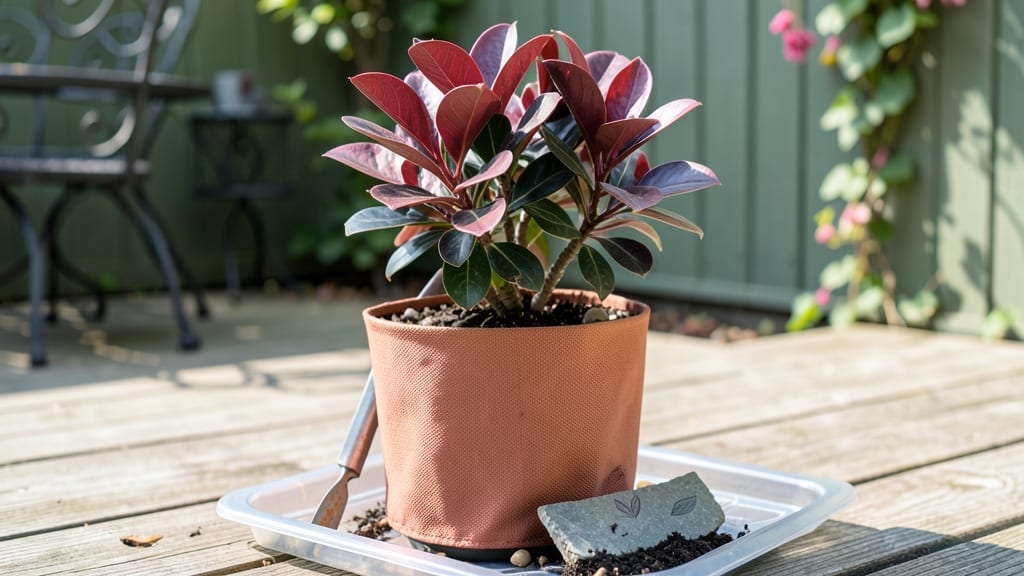
Fifteen-gallon garden pots are perfect for growing mid-sized plants like tomatoes, peppers, small citrus trees, and dwarf fruit bushes, as they accommodate root depths of 12–18 inches. Always use containers with drainage holes and lightweight potting mix to prevent root rot and ensure healthy growth.
These 15-gallon containers strike the ideal balance between space and portability, making them a favorite for urban gardeners and small-space growers. 🌱 The key is matching plant size to pot volume—roots need room to spread, and too-small containers restrict growth, while oversized ones waste space and soil.
For example, a tomato plant thrives in this size because its roots typically reach 12–18 inches deep, but herbs like basil or parsley can also grow well if pruned regularly.
The secret to success lies in monitoring moisture levels and fertilizing every 4–6 weeks to compensate for the limited soil volume.
For best results, choose containers with drainage holes and avoid heavy clay pots, which can crack under weight. Lightweight plastic or fabric pots are easier to move and reduce the risk of tipping.
If you're growing fruit-bearing plants like dwarf citrus, consider adding a slow-release fertilizer at planting time to support long-term growth. The right mix of soil, drainage, and sunlight will turn your 15-gallon pots into a thriving mini-garden!
💡 In This Article
- Root Depth Requirements for 15-Gallon Containers
- Best Plants for 15-Gallon Garden Pots by Type
Root depth requirements for 15-Gallon containers
Root growth in containers follows a predictable pattern based on pot volume and plant type. A 15-gallon pot holds approximately 1 cubic foot of soil, which translates to roughly 12-18 inches of root depth when filled to capacity.
This depth accommodates plants with fibrous root systems that spread horizontally while also growing downward. The key is understanding that roots need both vertical space for anchoring and horizontal space for nutrient absorption—something that becomes critical when you're limited to container gardening.
Tomatoes, for instance, develop root systems that typically reach 12-18 inches deep, making them perfect candidates for 15-gallon pots.
Their roots spread outward in a wide pattern, which is why they thrive in containers that are wider than they are deep. 🌱 In contrast, herbs like basil or parsley have much shallower root systems (6-12 inches), allowing them to grow well in smaller containers but still benefit from the extra space in a 15-gallon pot.
The science here is about oxygen availability—roots need aerated soil to function properly, which is why lightweight potting mixes (with perlite or vermiculite) are essential in containers.
Drainage plays a crucial role in root health because excess moisture triggers anaerobic conditions that suffocate roots. A 15-gallon pot with proper drainage holes allows water to escape while maintaining adequate moisture levels. Without drainage, roots can't access oxygen, leading to rot and stunted growth.
This is why I always recommend using containers with multiple drainage holes—even if you're using self-watering pots. The balance between moisture retention and aeration is what keeps roots healthy in limited spaces.
Another critical factor is the pot's material. Plastic pots retain moisture longer than terracotta, which can be beneficial in hot climates but risky if overwatered. Fabric grow bags, on the other hand, allow for better airflow around the roots while still providing structure.
The material choice affects how quickly the soil dries out, which in turn influences root growth patterns. For example, a tomato plant in a fabric pot might develop slightly deeper roots than one in plastic because the fabric allows for more natural moisture regulation.
When selecting plants for 15-gallon containers, consider their mature size and growth habits. Dwarf varieties of fruit trees (like Meyer lemon or orange) have root systems that stay within the 12-18 inch range, making them ideal candidates.
In contrast, larger vegetables like zucchini or pumpkins would outgrow this space quickly, requiring pruning or larger containers. The rule of thumb is to match the plant's root depth to the pot's depth while accounting for its mature height—roots need room to grow downward, but the plant also needs stability.
One common mistake is assuming that bigger pots always mean better growth. While a 15-gallon pot provides ample space for many plants, over-potting can lead to wasted soil and increased watering needs. The goal is to maximize root development without creating unnecessary maintenance.
For example, a pepper plant with a 12-inch root depth will thrive in a 15-gallon pot, but adding extra soil won't benefit it—it might just complicate watering and fertilizing routines. 💫