
Container Gardens
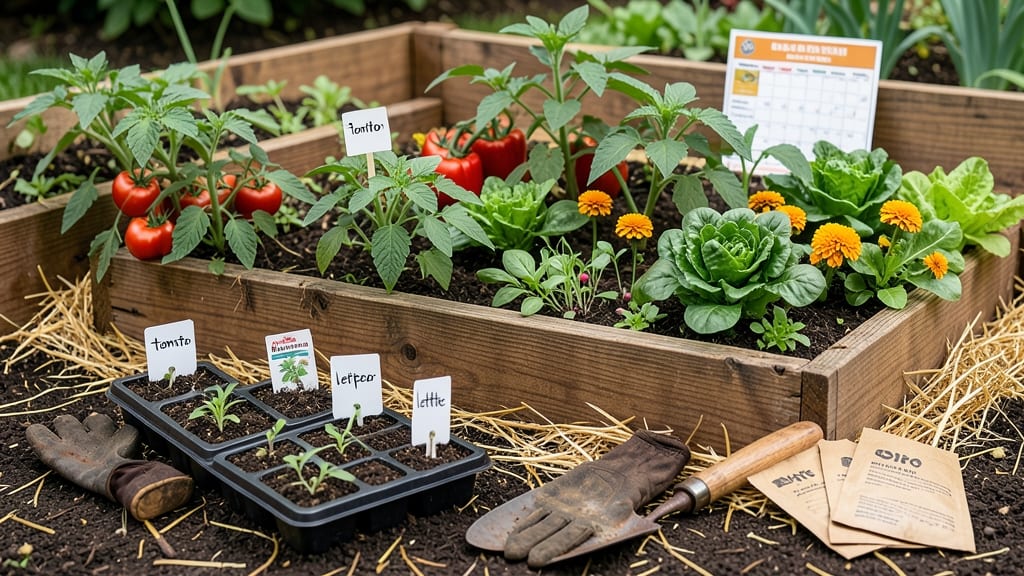
Planting gardens in Ohio means timing your spring and fall crops to Ohio’s frost dates—get it wrong, and your tomatoes or peppers could bolt before harvest.
Ohio’s unpredictable frost dates can make or break your garden—plant too early and risk losing your hard work, too late and miss peak harvests. But with precise zone-specific timing, you can maximize yields for frost-sensitive crops like General Garden Plants 🌱.
In 6a-6b, most gardeners aim for mid-April after the last frost, but urban areas like Columbus may wait until early May. Fall planting starts 6-8 weeks before the first frost, usually by early September.
Below, I’ll break down the exact windows for your region, how to adjust for late frosts, and the 3 key soil prep steps to ensure your plants thrive from seed to harvest.
Ohio planting zones explained: frost dates by region (2024 guide)
Ohio’s USDA hardiness zones 5-7 create a diverse planting landscape, with last frost dates ranging from late April in southern regions to early June in northern areas. Understanding these variations is critical for timing your spring and fall plantings correctly—especially for frost-sensitive crops like tomatoes and peppers.
While most of Ohio falls under zones 5b-6b, microclimates—like urban heat islands or lake-effect zones—can shift your frost-free window by weeks. For example, Cincinnati’s last frost typically arrives by April 15, while Cleveland’s may linger until May 10.
These differences directly impact when you can safely transplant seedlings or direct-sow seeds.
To find your exact planting window, check the National Weather Service or Almanac’s frost date calculator. Historical data shows Ohio’s first frost arrives between October 15 (south) and November 1 (north), giving you a 165-180 day growing season in most areas.
Here’s how Ohio’s USDA zones break down by region, including average last frost dates and key planting adjustments:
| Region | USDA Zone | Avg Last Frost | Avg First Frost | Planting Adjustment |
|---|---|---|---|---|
| Southwest (e.g., Cincinnati) | 6a-6b | April 15 | October 20 | Plant warm crops by April 30 |
| Central (e.g., Columbus) | 6a | April 25 | October 10 | Use row covers for late frosts |
| Northeast (e.g., Cleveland) | 5b-6a | May 10 | October 5 | Start seeds indoors earlier |
| Northwest (e.g., Toledo) | 5b | May 5 | September 30 | Extend season with cold frames |
| Appalachian (e.g., Athens) | 6b | April 10 | October 25 | Longer growing season |
For cool-season crops like broccoli or spinach, plant in early spring (March-April) or late summer (August-September) to avoid bolting. Warm-season crops like tomatoes and peppers need soil temperatures above 60°F, so wait until after your last frost date—or use black plastic mulch to warm the soil faster.
Urban gardeners in cities like Columbus may experience heat islands that delay frost by 1-2 weeks, while rural areas near Lake Erie can see earlier frosts due to lake breezes. Always monitor local weather forecasts in late April and September, as unpredictable late frosts can still occur.
Pro tip: Use frost cloth or row covers to protect young plants if nighttime temperatures dip below 32°F. For fall planting, start seeds indoors 6-8 weeks before your first frost to ensure transplants are ready by early September.
Remember, Ohio’s growing season isn’t just about frost dates—it’s also about soil temperature. Use a soil thermometer to confirm when it’s safe to plant heat-loving crops like cucumbers or squash, which need 70°F+ soil for optimal germination.
By aligning your planting schedule with your specific zone and microclimate, you’ll avoid the heartbreak of frost-damaged seedlings and maximize your garden’s potential—whether you’re growing tomatoes in Cincinnati or peppers in Cleveland.
Zero-frost risk crops: Ohio’s best planting timeline by month
Ohio’s heat-loving crops like tomatoes, peppers, and cucumbers need precise timing to thrive. Planting too early risks frost damage, while late planting cuts harvests short. The key is aligning your schedule with soil temperatures and Ohio’s average frost-free windows, which vary by region.
Most of Ohio falls in USDA Zones 5-7, with last frost dates ranging from mid-April in southern Ohio to early May in the north.
For zero-frost risk crops, focus on planting after your local last frost date—and when soil warms to at least 60°F (15°C). Use row covers or cold frames if needed to extend your growing season.
Below, I’ve broken down the best month-by-month planting schedule for Ohio’s most popular warm-season crops, including soil prep tips and Ohio-specific hacks to beat frost.
- 1 April (After Last Frost): Start transplanting tomatoes and peppers once soil hits 60°F. Use row covers if nights dip below 50°F. Southern Ohio can plant cucumbers and squash by late April.
- 2 May (Peak Planting): Plant all warm-season crops—eggplants, okra, and melons—once soil is 70°F+. Northern Ohio can start in early May; southern Ohio by mid-April. Direct-sow seeds for faster germination.
- 3 June (Late Starts): For second crops, sow bush beans and cucumbers in late June. Use black plastic mulch to warm soil faster. Avoid planting tomatoes after June 15—they won’t mature before frost.
- 4 July-August (Extending Season): Start fall crops indoors or in a greenhouse. Transplant peppers and tomatoes in early July for a late harvest. Use drip irrigation to prevent stress during Ohio’s summer heatwaves.
- 5 September (Fall Prep): Plant fast-maturing varieties like bush beans and radishes by mid-September. Use cold frames to protect tender crops like peppers until first frost.
Ohio’s microclimates play a huge role—urban areas like Columbus often warm up faster than rural zones. If you’re in Zone 5, err on the side of late planting (after May 15) to avoid frost.
For Zone 6-7, you can start as early as April 15 in southern Ohio. Always check your local Almanac frost dates for the most accuracy.
Pro tip: Soil thermometers are your best friend. Warm-season crops like tomatoes and peppers need soil temps of 70°F+ to thrive. If your soil is cooler, try black plastic mulch or straw bales to speed up warming.
In Ohio’s humid summers, prioritize well-draining soil to prevent root rot in heavy clay areas.
For container gardening, you can push planting dates by 2-3 weeks since pots warm up faster. Just ensure containers have drainage holes and use lightweight potting mix.
If you’re in northern Ohio, consider a hoop house or low tunnel to extend your season into October for late peppers and tomatoes.
Remember, Ohio’s first frost typically hits mid-October, but it can vary wildly. Start harvesting peppers and tomatoes by early September to avoid frost damage. For green tomatoes, pick them early and ripen indoors—they’ll still taste great!