
Planting
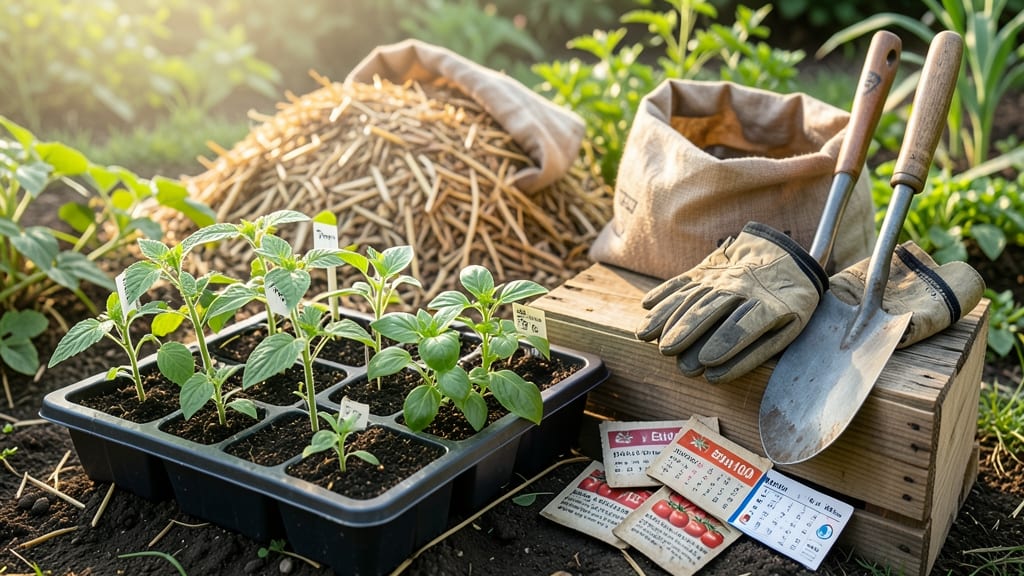
Planting your garden in Ohio at the right time means the difference between a thriving harvest and a sad, wilted disappointment.
Ohio’s unpredictable spring weather can turn your gardening dreams into a guessing game—but timing your plantings correctly ensures a bountiful harvest.
With last frost dates creeping in around mid-April and soil temperatures finally warming, you’ll want to act fast for warm-season crops like tomatoes and peppers.
Here’s the exact breakdown of when to plant everything from leafy greens to perennials, tailored to Ohio’s Zone 5b-6b climate, so you can start strong and keep the harvests coming all season.
Ohio planting dates by hardiness Zone (2024 guide)
Ohio spans USDA Hardiness Zones 5b through 6b, meaning your planting schedule depends on whether you're in northern counties like Toledo or southern regions like Cincinnati.
The average last frost date ranges from April 15 in Zone 5b to May 1 in Zone 6b, while first frost arrives between October 15-30. These dates create a 165-day growing season in most areas, but microclimates can shift windows by weeks.
For cool-season crops like lettuce and peas, you can start seeds 4-6 weeks before your last frost date.
In Zone 5b, that means mid-March, while Zone 6b gardeners can wait until late March. Warm-season crops such as tomatoes and peppers, however, need soil temperatures above 60°F—typically mid-May in Zone 5b and early May in Zone 6b.
Here’s where timing gets tricky: Ohio’s unpredictable spring weather can delay planting by weeks. A late frost in April might push back warm-season starts until June 1, while early warmth could let you plant radishes or spinach in March.
The key is monitoring soil temperature (not air temperature) and using row covers to protect young plants.
🌱
| Crop Type | Zone 5b (North Ohio) | Zone 6b (South Ohio) | Notes |
|---|---|---|---|
| Cool-Season Vegetables (Lettuce, Spinach, Peas) | March 15 - April 15 | March 22 - April 22 | Start indoors or use row covers. Succession plant every 2 weeks. |
| Warm-Season Vegetables (Tomatoes, Peppers, Basil) | May 15 - June 1 | April 20 - May 15 | Wait until soil is 60°F+. Use black plastic mulch to warm soil faster. |
| Herbs (Cilantro, Dill, Parsley) | April 1 - May 10 | March 20 - April 20 | Cilantro bolts in heat; plant in partial shade in summer. |
| Flowers (Marigolds, Zinnias, Sunflowers) | April 15 - May 30 | April 1 - May 15 | Direct sow after frost. Deadhead for continuous blooms. |
| Fall Crops (Kale, Carrots, Radishes) | August 1 - September 15 | July 15 - August 30 | Soil should be 50°F+. Use cold frames to extend harvest. |
In Zone 5b, where winters are colder, I recommend starting cool-season crops indoors in February to get a head start. For example, broccoli and cabbage can be transplanted 4 weeks before your last frost, giving them time to establish before summer heat arrives.
Meanwhile, Zone 6b gardeners can direct-sow lettuce and peas as early as mid-March, thanks to milder winters.
For warm-season crops, the difference between zones is critical. In Zone 5b, I wait until after Memorial Day (around May 25) to plant tomatoes and peppers, as late frosts are common.
In Zone 6b, I can plant these 2-3 weeks earlier, often by Mother’s Day. To speed up soil warming, I use black plastic mulch or plant in south-facing beds that absorb heat.
Don’t forget about fall planting! In both zones, cool-season crops like kale and carrots can be
Best crops to plant in early spring vs. late spring in Ohio
Ohio’s early spring (March-April) and late spring (May-June) offer distinct planting opportunities. Cool-season crops thrive in early spring’s chill, while warm-season plants wait for late spring’s warmth. Understanding these windows helps you maximize your garden’s potential without risking frost damage or stunted growth.
For early spring, focus on cold-hardy vegetables like peas and spinach that tolerate light frosts. These plants establish roots quickly before summer heat arrives. In contrast, late spring is ideal for heat-loving crops such as tomatoes and peppers, which need consistent warmth to flourish.
Top 5 Early Spring Crops (March-April)
- Peas – Plant 2-4 weeks before last frost; thrives in cool 50-65°F soil.
- Spinach – Direct sow 4-6 weeks before last frost; harvest 30-50 days.
- Lettuce – Start seeds indoors 4-6 weeks before transplanting; full sun to part shade.
- Onions – Plant as soon as soil is workable (March); 60-90 days to harvest.
- Radishes – Fast-growing (25-30 days); sow 2 weeks before last frost.
Top 5 Late Spring Crops (May-June)
- Tomatoes – Transplant after last frost (May); needs full sun and warm soil.
- Peppers – Start indoors 8-10 weeks before last frost; 70-85°F soil required.
- Cucumbers – Direct sow 2 weeks after last frost; trellis for vertical growth.
- Sweet Corn – Plant after soil reaches 60°F; block planting for pollination.
- Okra – Sow after all frost risk (June); heat-tolerant and drought-resistant.
Early spring’s cool temperatures make it perfect for leafy greens and root vegetables, while late spring’s warmer soil (60°F+) unlocks tomatoes, peppers, and squash. Use row covers for early spring to protect tender seedlings from unexpected frosts, and mulch heavily in late spring to retain moisture for heat-lovers.
Pro tip: Test your soil in early spring to adjust pH for cool-season crops (ideal 6.0-7.0), then amend for late spring plantings (ideal 6.2-6.8). This small step boosts yields by ensuring nutrients are available when plants need them most.
Don’t overlook herbs like cilantro and flowers like pansies for early spring—they add color and flavor while filling gaps in your planting schedule. In late spring, marigolds deter pests naturally, making them a must-have companion plant.
Timing is everything in Ohio’s garden. By aligning your plantings with these seasonal windows, you’ll avoid common pitfalls like bolting lettuce or blossom-end rot in tomatoes, ensuring a harvest you can proudly share with neighbors.