
Planting
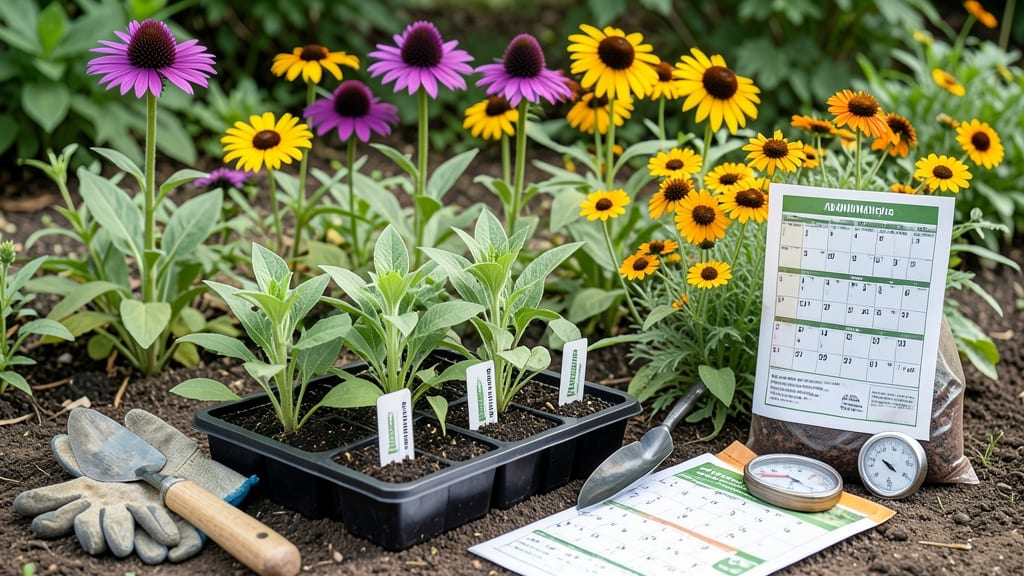
Planting a garden in Minnesota means timing your spring starts to avoid frost and maximizing your short growing season—or risk losing your hard work to late cold snaps.
Minnesota’s unpredictable climate turns a simple planting decision into a high-stakes game of patience. One week too early, and your seedlings shiver under a surprise frost; one week too late, and you miss the sweet spot for peak harvests.
This guide breaks down the exact frost-free dates for your USDA zone, which crops thrive in Minnesota’s chill, and how to stretch your season with smart planning—whether you’re in the Twin Cities or up north.
You’ll learn which vegetables to sow indoors in February, when to set out heat-lovers like tomatoes, and how to cheat frost with row covers. No more guessing—just a clear, zone-specific roadmap to a bountiful garden.
Minnesota frost dates by USDA hardiness Zone: when to plant vegetables & flowers
Minnesota's growing season is short but productive when you align your planting schedule with USDA hardiness zones 3-5. Understanding your last spring frost and first fall frost dates helps you choose the right crops for your zone.
For example, Zone 3 gardeners face earlier frosts than those in Zone 5, where summers last a few weeks longer.
Northern Minnesota (Zone 3) typically sees its last spring frost between May 15-25, while southern areas (Zone 5) can expect frost-free conditions by May 1-10. The first fall frost arrives earlier in the north (September 15-25) compared to the south (October 1-10).
These dates shift slightly each year, so always check local weather forecasts before planting.
Cold-hardy vegetables like spinach, peas, and kale can tolerate light frosts, while heat-lovers such as tomatoes and peppers need warmer soil temperatures. Knowing your zone helps you pick varieties that thrive in Minnesota's climate.
For instance, bush beans and cucumbers should wait until after the last frost, while lettuce can handle cooler soils.
Here’s a quick reference for frost-free dates by zone, including ideal planting windows for both vegetables and flowers:
| Zone | Last Spring Frost | First Fall Frost | Cold-Hardy Crops | Heat-Loving Crops |
|---|---|---|---|---|
| Zone 3 | May 15-25 | Sep 15-25 | Peas, spinach, kale | Tomatoes (short season), peppers (greenhouse) |
| Zone 4 | May 1-15 | Sep 25-Oct 5 | Lettuce, radishes, broccoli | Tomatoes, peppers, basil |
| Zone 5 | Apr 25-May 10 | Oct 1-10 | Peas, spinach, Swiss chard | Peppers, eggplants, okra |
Use these frost dates as a guideline, but always verify with local weather data. For example, the Twin Cities area (Zone 4b) often experiences a 1-2 week delay in spring frosts due to urban heat islands. Similarly, northern lakes regions (Zone 3) may have earlier frosts near water bodies.
For flowers, timing matters just as much. Perennials like coneflowers and black-eyed Susans can be planted in early spring or fall, while annuals such as marigolds and petunias need warmer soil. Plant bulbs like tulips in fall (Zone 4-5) or early spring (Zone 3) for best results.
If you’re unsure about your exact frost dates, check the National Weather Service or your local cooperative extension office. They provide historical averages and can help you adjust for microclimates.
For instance, a south-facing slope warms up faster than a north-facing yard, allowing you to plant heat-loving crops a few days earlier.
Start cold frames or use row covers to extend your season. These tools can push your last planting date by 2-4 weeks, giving tomatoes and peppers more time to mature.
Just remember to remove covers during the day to prevent overheating. For Zone 3 gardeners, this means you can plant tomatoes in early June instead of waiting until July.
Plan your garden layout around succession planting. For example, sow radishes in early May, followed by lettuce in late May, and bush beans in early June.
This ensures a continuous harvest and maximizes your garden’s productivity. Keep a planting journal to track what works best in your zone each year.
Finally, don’t forget to account for soil temperature. Use a soil thermometer to check when it reaches 50°F (10°C) for cool-season crops or 60°F (15°C) for warm-season crops.
This step is crucial for seed germination and healthy root development. For instance, peppers won’t sprout until the soil is at least
Best planting calendar for Minnesota gardens: month-by-month crop schedule
Timing is everything in Minnesota gardening, where frost dates can shift by weeks between southern and northern zones. My month-by-month schedule covers 20+ vegetables and herbs, adjusted for USDA zones 3-5, with tips to maximize your harvests before the first frost.
Start with cold-hardy crops in April, then transition to heat-loving plants in June. Succession planting every 2-3 weeks ensures continuous harvests—critical for short-season gardens. I’ll also highlight frost-tolerant varieties that let you plant earlier or later.
For northern Minnesota (zone 3), delay warm-season crops by 2-3 weeks and prioritize fast-maturing varieties like 'Early Girl' tomatoes (55 days) or 'Bush Blue Lake' beans (50 days). In southern MN (zone 4-5), you can push peppers and eggplants slightly earlier with black plastic mulch.
Pro tip: Use succession planting for leafy greens and radishes—sow new seeds every 2 weeks to avoid gluts. For example, plant radishes every 10 days from April through July for continuous harvests until frost.
Don’t forget herbs like cilantro and dill—they bolt quickly in Minnesota’s heat. Plant them in partial shade and harvest leaves before flowering to extend their season. For perennial herbs like thyme and oregano, divide plants in early spring or fall.
By following this schedule, you’ll maximize your Minnesota garden’s potential, even with just 120-150 frost-free days. Start planning now—your first peas could be ready by June! 🌱