
Planting
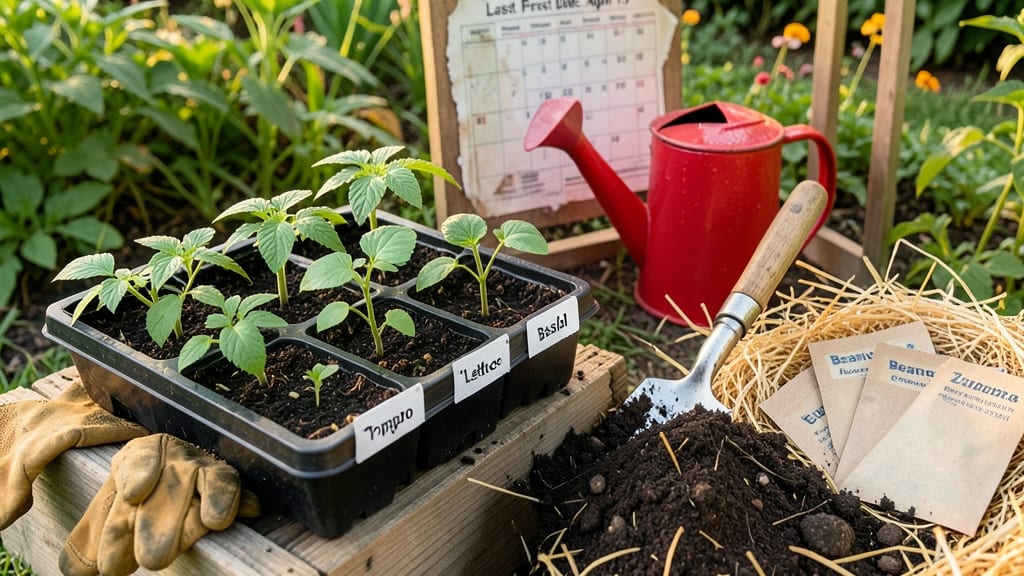
Planting a garden in Kentucky at the right time means the difference between a bumper crop and a sad, frost-nipped disappointment 🌱 — and the last spring frost is your best guide.
Here’s the catch: Kentucky’s USDA Zones 6a-7a can swing wildly from year to year, with late freezes creeping into mid-April or early May. Miss that window, and your tomatoes or peppers might never recover.
But get it right, and you’ll be harvesting fresh greens by June and fall crops until November.
This guide breaks down the exact planting windows for everything from cool-season spinach to heat-loving peppers, plus how to adjust for Kentucky’s microclimates. No more guessing whether your soil is ready or if that late frost is coming.
You’ll walk away knowing which crops to start indoors in February, which can wait until May, and how to stretch your growing season with row covers. Let’s make this your most productive garden yet.
Kentucky planting timeline by crop type: frost dates, first/last planting windows
Kentucky’s USDA Zones 6b/7a offer a 165-200 day frost-free season, but timing is everything. The average last spring frost hits around March 15, while the first fall frost typically arrives by November 15.
These dates create a tight window for warm-season crops like tomatoes and peppers, while cool-season greens like spinach and kale thrive in early spring and fall. Understanding these windows helps you avoid costly mistakes—like planting basil too early or missing the harvest window for your zucchini.
For cool-season crops, start seeds indoors 4-6 weeks before your last frost (around February 15) or sow directly into the garden 2-4 weeks before. These hardy plants—including broccoli, kale, and peas—can even handle light frosts.
Meanwhile, warm-season crops like tomatoes, peppers, and corn need to wait until 2-3 weeks after your last frost (around April 15) to ensure soil temperatures stay above 50°F.
Here’s your Kentucky planting timeline broken down by crop type, including frost probabilities and ideal planting windows to maximize yields:
| Crop Type | Planting Window | Last Frost Risk | Notes |
|---|---|---|---|
| Cool-Season Vegetables | Feb 15 - Mar 15 (direct sow) / Mar 1 - Apr 15 (transplant) | Low (tolerates light frost) | Spinach, kale, peas, lettuce. Succession plant every 2 weeks. |
| Warm-Season Vegetables | Apr 15 - May 15 (after last frost) | High (sensitive to frost) | Tomatoes, peppers, corn, cucumbers. Use row covers for early starts. |
| Fall Vegetables | Aug 1 - Sep 1 (direct sow) | Low (harvest before first frost) | Broccoli, carrots, Brussels sprouts, radishes. Choose fast-maturing varieties. |
| Flowers | Mar 15 - Apr 30 (annuals) / Sep 15 (perennials) | Varies (check variety) | Marigolds, zinnias, cosmos. Perennials like coneflowers can be planted in early spring or fall. |
| Herbs | Mar 15 - Apr 30 (cool-season) / May 15 - Jun 15 (warm-season) | High (basil dies in frost) | Parsley, cilantro (cool-season); basil, oregano (warm-season). Harvest regularly to encourage growth. |
For warm-season crops, soil temperature matters just as much as air temperature. Use a soil thermometer to confirm your garden beds are above 50°F before planting tomatoes or peppers.
In Kentucky’s Zone 7a areas, you might even squeeze in a second planting of beans or cucumbers in early July for a late-summer harvest. Just be prepared to use row covers or a cold frame to extend the season if a late frost threatens.
Don’t overlook fall planting, which can be just as productive as spring. Start cool-season crops like spinach and radishes in early August for a harvest before the first frost. Even broccoli and Brussels sprouts thrive when planted in late summer, as cooler temperatures actually improve their flavor.
Aim to plant these 6-8 weeks before your first frost (around September 15) to ensure a full harvest.
If you’re new to gardening in Kentucky, start with fast-maturing varieties like bush beans or radishes to build confidence. These crops can go from seed to harvest in as little as 30-40 days, giving you quick wins while you learn the rhythm of your local climate.
For longer-season crops like squash or cabbage, choose varieties labeled as “early maturing”
How to adjust planting dates for Kentucky’s microclimates and unpredictable weather
Kentucky’s microclimates and shifting frost dates demand flexibility in your planting schedule. What works for Lexington’s warmer valleys may fail in Eastern Kentucky’s cooler highlands.
Even within a single county, frost dates can vary by 1-2 weeks, leaving gardeners guessing whether to plant their tomatoes or wait for warmer soil.
I’ve learned the hard way that rigid planting timelines often lead to disappointment. One year, my pepper plants thrived in Louisville’s Zone 7a, while the same varieties in Paducah’s Zone 7b struggled with a late April frost.
The key is adapting your approach using season-extending tools and fast-maturing varieties that align with local conditions.
Even if your average last frost is March 15, 30% chance of frost exists until April 15. For warm-season crops like basil and cucumbers, wait until April 20-25 to plant. Cool-season crops (spinach, lettuce) can handle light frosts but may bolt if planted too early.
Use frost-sensitive indicators like hyacinth blooms (Zone 6b) to time your planting.
Start by choosing fast-maturing varieties—especially for warm-season crops. In my Zone 6b garden, I swap standard 90-day tomatoes for ‘Early Girl’ (60 days) or ‘Stupice’ (55 days) to ensure harvests before fall frosts.
For cool-season crops, opt for ‘Winterbor’ kale or ‘De Cicco’ broccoli, which tolerate 20°F temperatures and extend harvests into November.
Row covers and cold frames are my secret weapons for early planting. I use floating row covers to plant cabbage and onions as early as mid-March, giving me a 4-6 week head start before removing them when plants flower.
For sensitive crops like eggplants, I wait until May 10 and use black plastic mulch to warm the soil 5-10°F faster than bare ground.
Assess your risk tolerance when deciding between early vs. late planting. Early planting (before average last frost) rewards you with longer growing seasons but risks frost damage. Late planting (after average last frost) ensures survival but may shorten harvest windows.
I typically split my plantings: 50% of my beans go in mid-April, and the rest in late May for a staggered harvest.
Monitor local microclimate patterns—low-lying areas frost later than hills, and urban heat islands can delay frost by 7-10 days. Keep a garden journal to track when your neighborhood’s frost arrives compared to official averages.
Over 3 years, I’ve adjusted my planting dates by 2 weeks earlier in my sunny south-facing beds and 1 week later in shadier spots.
When in doubt, start small with fast growers like radishes (25 days) or bush beans (50 days) to test your soil’s readiness. These quick indicators help you fine-tune dates for slower crops like squash or melons before committing to larger plantings.
Flexibility is your best tool in Kentucky’s ever-changing climate. 🌱