
Planting
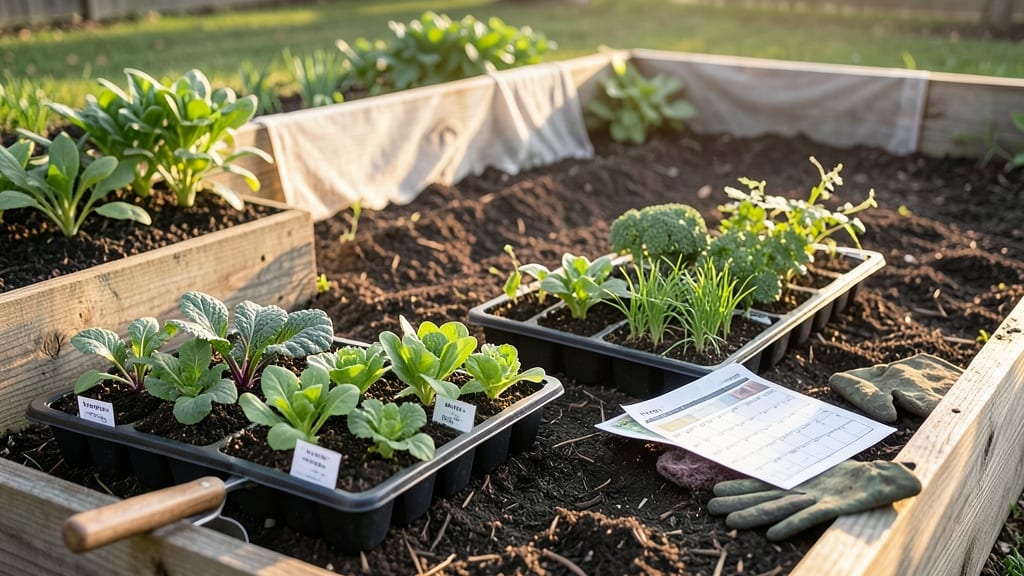
Planting a vegetable garden in New Jersey means timing your crops to avoid frost damage and maximize harvests—cool-season starts go in by early April, while warm-season plants wait until after mid-May.
New Jersey gardeners know timing is everything—plant too early and frost will wipe out your hard work, but delay too long and you’ll miss peak harvests. Mastering the perfect schedule for NJ’s 6a-7b zones can mean the difference between a thriving 🥕 garden and a disappointing one.
With 165-200 frost-free days in most of the state, you’ve got two prime planting windows: spring (March–June) for leafy greens and root crops, and fall (July–September) for warm-loving tomatoes and peppers.
The key is knowing your last frost date—around April 15—and adjusting for microclimates like coastal areas, which can stay cooler longer.
In this guide, I’ll walk you through the exact planting calendar for NJ, including soil prep tips, frost protection tricks, and how to stretch your growing season with row covers or cold frames. Ready to grow like a pro?
NJ’s last frost dates and cold-hardy vegetables to plant early
New Jersey’s last frost dates can vary by 10-14 days depending on whether you’re in the north (USDA Zone 6b) or south (Zone 7a). In the northern region, like Sussex or Morris County, expect your average last frost around April 15-20.
Meanwhile, in southern NJ, such as Atlantic or Cape May Counties, you might see late March to early April as your safe planting window. These dates are critical for cool-season vegetables that thrive before summer heat arrives.
For urban gardeners in cities like Newark or Trenton, microclimates can shift these dates by 3-7 days due to heat island effects. Concrete and buildings trap heat, creating warmer pockets where tender seedlings might sprout too early.
Conversely, rural areas with more open space often experience cooler nights, delaying your last frost by up to a week. Always check local frost alerts from the NJAES (NJ Agricultural Experiment Station) for real-time adjustments.
To protect your early plantings, use the 10-day rule: plant cold-hardy vegetables like spinach or peas 10 days before your average last frost date. This buffer accounts for late frosts that can still occur.
For example, if your last frost is April 20, sow hardy seeds around April 10. Pair this with row covers or cloches to shield seedlings from unpredictable cold snaps.
| Region | Avg. Last Frost | Cold-Hardy Veggies | Planting Window | Microclimate Tip |
|---|---|---|---|---|
| Northern NJ (Zone 6b) | April 15-20 | Peas, Spinach, Kale, Broccoli | March 20-April 5 | Use black plastic mulch to warm soil faster |
| Central NJ (Zone 7a) | April 1-10 | Lettuce, Radishes, Swiss Chard | March 10-March 25 | Monitor low-lying areas for frost pockets |
| Southern NJ (Zone 7a) | March 25-April 5 | Cabbage, Carrots, Onions | February 20-March 15 | Coastal areas may have earlier frosts; delay planting |
| Urban NJ (Cities) | April 22-May 1 | Arugula, Mustard Greens | April 1-10 | Use containers for mobility; move to sheltered spots |
Among the most cold-hardy vegetables for early NJ plantings, peas and spinach are top performers. Peas can tolerate light frosts down to 20°F, making them ideal for late winter sowing under row covers.
Spinach, another cool-season superstar, thrives in 40-65°F soil and can even bolt less in cooler weather. For broccoli and kale, start seeds 4-6 weeks before your last frost date—these brassicas need consistent moisture to avoid bitter flavors or bolting.
If you’re in Zone 6b (northern NJ), prioritize slow-to-mature varieties like ‘Winterbor’ kale or ‘Sugar Snap’ peas, which handle cooler soils better than southern varieties. In Zone 7a, you can push the envelope with ‘Black Seeded Simpson’ lettuce or ‘Early Wonder’ bro
Step-by-step planting calendar for NJ vegetable gardens by season
New Jersey’s variable climate demands precision when planting vegetables. With USDA zones 6b-7a, you’ll need to balance cool-season crops that tolerate frost with warm-season plants that thrive in heat.
My month-by-month guide aligns with NJ’s average last frost dates (April 15 in the North, May 1 in the South) while accounting for microclimates like coastal areas that warm faster.
For cool-season crops like spinach, peas, and broccoli, start seeds indoors 4-6 weeks before your last frost date. Warm-season crops such as tomatoes and peppers should wait until 2-3 weeks after the last frost.
I’ll walk you through succession planting strategies to maximize your harvest and soil warming techniques for a head start in cooler regions.
Step-by-Step Planting Calendar for NJ Vegetables
Start spinach, peas, and lettuce indoors or under row covers. Harden off seedlings by late March for early outdoor planting.
Plant broccoli, kale, and carrots 4-6 weeks before last frost. Use cloches or black plastic mulch to warm soil in northern NJ.
Transplant tomatoes, peppers, and cucumbers after last frost. Start beans and squash directly in soil when night temps stay above 50°F.
Sow lettuce, radishes, and bush beans every 2 weeks for continuous harvests. Thin seedlings to avoid crowding.
Plant cold-hardy crops like kale and spinach for fall harvests. Use shade cloth to protect seedlings from midday heat.
Direct-sow carrots, beets, and peas for late-season harvests. Cover with row fabric to extend the season into October.
In coastal NJ, where soil warms faster, you can plant warm-season crops like tomatoes 2 weeks earlier than inland areas. For northern NJ, extend your season with cold frames or low tunnels to protect delicate seedlings.
My rule of thumb? Always check NJAES frost forecasts—they’re your best guide for localized adjustments.
Pro tip: Succession planting is key for a continuous harvest. For example, sow radishes every 2 weeks from April to August—they mature in just 30 days! Pair fast growers like radishes with slower crops like cabbage (90 days) to maximize space.
Don’t forget to rotate crops yearly to prevent soil depletion and disease. For instance, follow tomatoes with beans—beans fix nitrogen, enriching the soil for next year’s leafy greens.
With this calendar, you’ll avoid common NJ pitfalls like late frosts or heat stress while enjoying a bountiful harvest from spring to fall. 🌿