
Planting
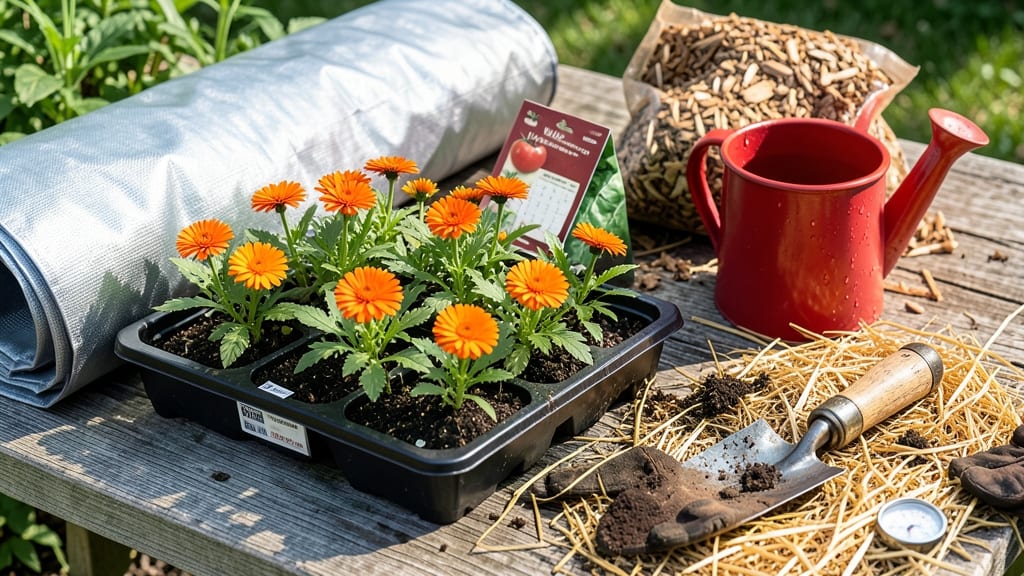
To plant a garden in Utah, time your seeds and transplants between mid-April and early June or August-September—missing these windows risks frost damage or a shortened growing season.
Utah’s dramatic elevation shifts and microclimates can turn gardening into a high-stakes guessing game—plant too early and risk frost, too late and miss the growing season entirely. But with precise timing tailored to your specific zone, you can achieve a zero-failure harvest every year.
Whether you’re in the Wasatch Front, high-desert Southwest, or Cache Valley, knowing your last frost date (April 15 on average) and adjusting for microclimates is the key. Below, I break down the exact planting deadlines for Utah’s USDA zones 5-8, plus drought-resistant plants that thrive in this climate.
You’ll learn how to stretch your season with row covers, which crops to start indoors in March, and why soil temperature matters more than calendar dates. Let’s get those 🌱 growing!
Utah’s planting zones: when to start seeds vs. transplant vegetables by region
Utah’s gardening calendar is as varied as its landscapes—from the Wasatch Front’s urban gardens at 4,200 feet to Southern Utah’s high-desert valleys at 6,000 feet and the mountain slopes reaching 8,000 feet. These elevation shifts create microclimates where last frost dates can differ by weeks, making timing everything.
For example, Salt Lake City (Zone 6a) typically sees its last frost around April 15, while St. George (Zone 8a) might already be frost-free by March 1.
Understanding your specific zone ensures you plant cool-season crops like lettuce and peas at the right time and avoid frost damage to tender tomatoes and peppers.
Elevation isn’t the only factor—urban heat islands in cities like Provo can push planting windows 2-3 weeks earlier than rural areas, while frost pockets in Cache Valley may delay spring planting by 10-14 days.
To navigate this, I’ve broken down Utah’s key regions, including the Wasatch Front, Cache Valley, Southern Utah, and the Uinta Basin, with precise planting windows for both seed-starting indoors and transplanting outdoors. This way, you can align your garden with your local climate’s rhythm.
Pro Tip: Use Utah State University Extension’s frost date maps as a baseline, then adjust based on your yard’s microclimate. For instance, if your garden sits in a cold air pocket, wait an extra week before planting warm-season crops like beans or cucumbers. Conversely, if you’re in a sunny urban pocket, you can start tomatoes 2 weeks earlier than the average zone suggests.
| Region | USDA Zone | Avg. Last Frost | Start Seeds Indoors | Transplant Outdoors | Warm-Season Crops |
|---|---|---|---|---|---|
| Wasatch Front (Salt Lake City, Provo) | 6a-7a | Mid-April | Early March (peppers/tomatoes) | Late April - Early May | Late May - Early June |
| Cache Valley (Logan, Richmond) | 6b | Late April | Mid-March (peppers) | Early May | Early June |
| Southern Utah (St. George, Cedar City) | 8a-8b | Early March | Late February (tomatoes) | Mid-March - Early April | Early April |
| Uinta Basin (Price, Helper) | 5b-6a | Late May | Early April (hardy crops) | Late May - Early June | Mid-June |
| Park City (High Desert, 8,000+ ft) | 4b-5a | Late June | Early May (cold-hardy crops) | Late June | Early July |
Microclimate hacks: adjusting planting dates for Utah’s frost pockets and urban heat islands
Utah’s microclimates create gardening challenges—frost pockets in valleys can delay planting by 3-4 weeks, while urban heat islands in Salt Lake City may push warm-season crops to mature 10-15 days faster than rural areas. The key? Localized adjustments to standard planting charts using simple tools and techniques.
For frost-prone zones like Cache Valley or the Wasatch Front, cold frames and row covers can extend your growing season by 30-60 days.
In contrast, urban areas like Provo or Ogden experience "heat islands" where pavement and buildings trap warmth—ideal for heat-tolerant crops like okra or sweet potatoes planted 2 weeks earlier than rural guidelines suggest.
- 1 Cold frames in frost pockets: Add 4-6 weeks to spring planting by trapping 10-15°F of extra heat.
- 2 Row covers for urban heat: Use floating row covers to shield seedlings from wind and hail while allowing sunlight.
- 3 Succession planting in high-desert: Stagger cool-season crops every 2 weeks from March to May to avoid bolting.
- 4 Heat-tolerant varieties for cities: Choose black-seeded tomatoes or Malabar spinach for urban heat zones.
- 5 Soil warming in valleys: Lay black plastic mulch 2 weeks before planting to raise soil temps by 5-10°F.
In high-desert areas like Moab or St. George, where nights drop below freezing even in summer, low tunnels create microclimates that protect peppers and eggplants until mid-June.
Meanwhile, urban gardeners in Salt Lake City can plant cucumbers and squash as early as late April by using drip irrigation to prevent heat stress.
For succession planting, focus on cool-season crops like lettuce and radishes in March-April, then switch to warm-season crops like beans and corn in June-July. In frost pockets, start broccoli and cabbage indoors in February for outdoor transplanting by early April.
Monitor soil temperatures with a probe—most vegetables need 50°F+ for germination, while peppers and tomatoes thrive at 70°F+. In urban areas, shade cloth can reduce temps by 10-15°F during peak summer heat, extending the harvest window for heat-sensitive crops like basil.
By leveraging these microclimate strategies, you can turn Utah’s unpredictable growing conditions into advantages—whether you’re battling late spring frosts or urban heat waves. The result? Longer harvests, fewer losses, and zero-guesswork planting. 🌱