
Planting
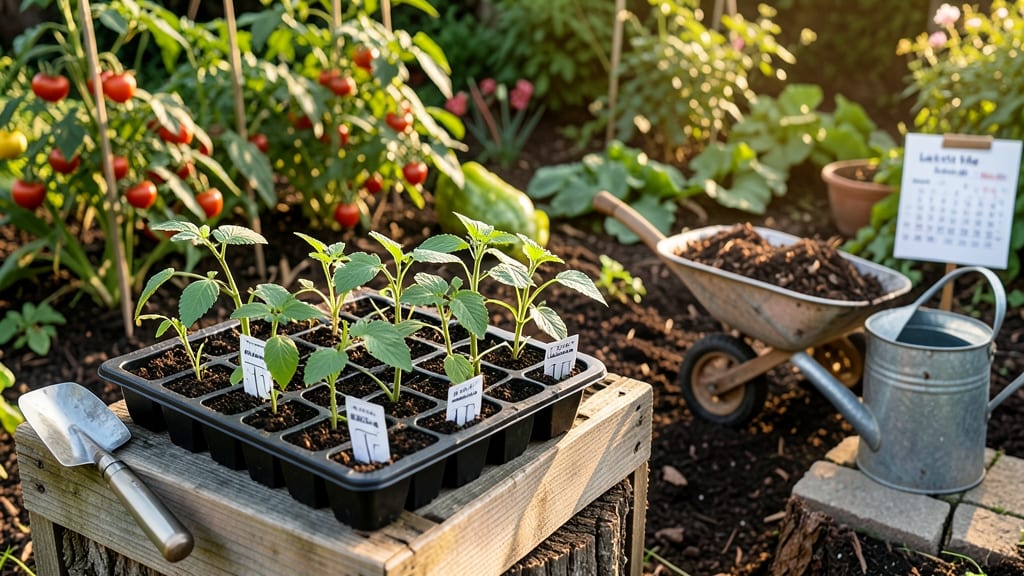
Planting a garden in Tennessee at the right time means the difference between a thriving harvest and a sad pile of frost-nipped seedlings.
Tennessee’s diverse climate—from the cool mountains to the humid valleys—means your garden’s success hinges on planting at the perfect time. Get it wrong, and you risk frost damage or stunted growth; time it right, and you’ll harvest bountiful tomatoes, sweet corn, and crisp greens all season long.
Most gardeners in the Volunteer State start cool-season crops like lettuce and peas in early spring, just as the soil warms, while warm-season favorites like peppers and squash wait until after the last frost—usually mid-April in West Tennessee and early May in the mountains.
Below, I break down the exact frost-free windows by region, the best crops to plant each month, and how to stretch your growing season with simple tricks like row covers and succession planting.
Tennessee’s frost-free dates by region: when to plant cool vs warm-season crops
Tennessee’s microclimates create dramatic differences in frost-free dates, making it critical to know your specific region. The state spans USDA Zones 6-8, with mountain areas like East Tennessee experiencing later springs and earlier falls than the West Tennessee valleys.
These variations mean your cool-season crops like kale and peas thrive in one area while warm-season crops like peppers and okra need precise timing elsewhere.
Understanding these regional planting windows ensures you avoid frost damage to tender seedlings or miss the optimal harvest period. For example, Memphis gardeners can plant tomatoes as early as mid-March, while Chattanooga gardeners must wait until late April.
Even within regions, elevation changes of just 500 feet can shift frost dates by 2-3 weeks.
Below is a region-by-region breakdown of Tennessee’s frost-free dates, tailored to help you plant cool-season and warm-season crops at the perfect time. Use this as your guide to align your garden with nature’s calendar and maximize your harvests.
🌱
| Region | Avg. Last Frost | Avg. First Frost | Cool-Season Planting Window | Warm-Season Planting Window |
|---|---|---|---|---|
| East TN (Mountains) | April 15 - May 1 | October 15 - November 1 | March 1 - April 15 | May 15 - June 15 |
| Middle TN (Nashville) | March 25 - April 10 | October 20 - November 5 | February 15 - March 30 | April 20 - May 10 |
| West TN (Memphis) | March 10 - March 25 | November 1 - November 15 | January 15 - March 15 | March 20 - April 15 |
| High Elevation (>2000ft) | May 1 - May 15 | September 20 - October 5 | April 1 - May 1 | June 1 - June 30 |
For East Tennessee, where USDA Zone 6 dominates, your cool-season crops like broccoli and spinach should be sown as early as March 1 for a spring harvest. However, warm-season crops like tomatoes and peppers won’t tolerate frost, so wait until May 15 to plant them outdoors.
If you’re in Sevier County or Cocke County, add an extra 2 weeks to these dates due to higher elevations.
In Middle Tennessee, including Nashville and Davidson County, you can start cool-season crops like peas and lettuce as early as February 15 for a spring crop, while warm-season crops like squash and beans can go in the ground by April 20.
This region offers the longest growing season in Tennessee, with 240-270 frost-free days, making it ideal for succession planting.
Gardeners in West Tennessee, particularly in Shelby and Fayette Counties, enjoy the earliest frost-free dates in the state. You can plant warm-season crops like okra and sweet potatoes as early as March 20, giving you a head start on the rest of the state.
However, cool-season crops like Brussels sprouts and cabbage should be sown by January 15 for a spring harvest, as summer heat arrives quickly.
Elevation plays a critical role in Tennessee’s frost dates. For every 1,000 feet increase in elevation, expect 3-5 fewer frost-free days.
If you live above 2,000 feet, such as in Great Smoky Mountains National Park areas, your last frost may not occur until May 15, and your first frost could arrive as early as September 20.
Adjust your planting schedule accordingly—cool-season crops should wait until April 1, and warm-season crops like peppers may need to be started indoors.
To further refine your planting schedule, consult your local county extension office for hyper-local frost data. For example, Chattanooga’s frost-free season is shorter than nearby Chickamauga due to its valley location.
Use these regional guidelines as a starting point, then fine-tune based on your specific microclimate—whether you’re in a south-facing urban garden or a shaded mountain meadow.
Pro tip: Use row covers or cold frames to extend your cool-season growing window by 2-4 weeks in early spring or late fall. For warm-season crops, consider black plastic mulch to warm the soil faster, especially in cooler mountain regions
Best crops to plant in Tennessee by month: a month-by-month guide
Tennessee gardeners know timing is everything—especially with our variable climate from the Smoky Mountains to the Mississippi Delta. The key to a productive garden? Planting the right crops at the right time.
Whether you're sowing cool-season greens in early spring or heat-loving tomatoes in summer, this month-by-month guide keeps your harvests coming year-round.
I’ve broken down the best crops to plant each month, including succession planting tips to stretch your harvests. For example, you can start spinach and onions in January for early spring harvests, then transition to warm-season favorites like peppers and okra by May.
Let’s dive into the schedule that works for Tennessee’s USDA Zones 6-8.
🌱 Tennessee Planting Calendar
- January: Spinach, onion sets, broccoli (start indoors)
- March: Potatoes, carrots, peas, lettuce (direct sow)
- May: Tomatoes, cucumbers, beans, squash (after last frost)
- August: Fall radishes, lettuce, kale, turnips (for late harvests)
Pro Tip: Use succession planting every 2-3 weeks for leafy greens and radishes to ensure continuous harvests.
In January, focus on cool-hardy crops like spinach and onions. These thrive in Tennessee’s chilly winter months and can handle light frosts. For best results, choose slow-bolting varieties like ‘Bloomsdale Long Standing’ spinach, which won’t go bitter as temperatures rise in spring.
By March, the soil warms enough for root crops like potatoes and carrots. These plants need consistent moisture, so mulch heavily to retain soil moisture. I recommend loose, well-draining soil for carrots to prevent forking.
For potatoes, plant seed potatoes in early March for a summer harvest or late August for fall potatoes.
When May rolls around, it’s time for warm-season powerhouses like tomatoes and cucumbers. Wait until the average last frost date (typically mid-April in West TN to late April in East TN) before planting.
For tomatoes, I swear by ‘Celebrity’ or ‘Better Boy’ varieties—they’re disease-resistant and produce reliably in Tennessee’s humidity.
Don’t forget about fall planting! In August, sow cool-season crops like radishes and lettuce for a late harvest. These crops grow quickly and can tolerate light frosts, making them perfect for extending your garden’s productivity. Use row covers if early frosts threaten your plants.
With this month-by-month guide, you’ll avoid common mistakes like planting tomatoes too early or missing out on fall greens. Happy planting—your garden (and taste buds) will thank you! 🌿