
Picking
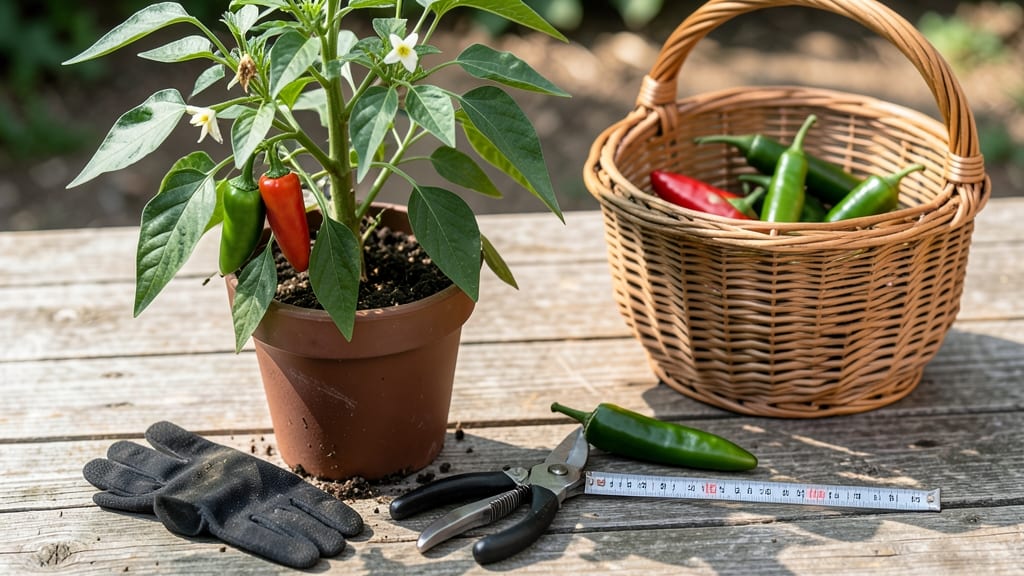
To pick jalapeños from your garden at the perfect moment means unlocking their boldest heat and sweetest flavor—before they turn bitter or overripe. 🌶️
Picture this: You’ve nurtured your plants all season, and now those little green pods are popping up faster than you can snap them off. But wait—how do you know when they’re truly ready? Grab one and give it a gentle squeeze: if the skin gives just slightly, that’s your cue.
The real trick? Watching for color shifts from bright green to a deeper hue, or even a faint red blush, signals peak spice and sweetness.
Most gardeners miss the window by focusing only on size or color, but the combination of firmness, stem separation, and days after flowering is what separates a mild snack from a fiery harvest.
In USDA Zone 6a, that window typically opens in late July, but heatwaves or cool snaps can shift it by weeks—so stay sharp.
Below, I’ll break down the three color-stage tricks that guarantee you never pick too early (or too late), plus how often to harvest to keep your plants producing all season. No more guessing—just spicier, sweeter jalapeños every time.


Jalapeño color-stage guide: when to harvest for maximum heat
Harvesting jalapeños at the right color stage transforms your garden's yield from bland to bold. Most gardeners assume green jalapeños are always ready—but that's a common mistake. The true heat potential and flavor peak at different stages, depending on what you're growing them for.
Whether you want mild green peppers or spicy red jalapeños, understanding these stages will change your harvest game forever.
Jalapeños go through three key maturity stages that dramatically affect their spice level and flavor profile. Each stage has distinct visual cues that tell you exactly when to pick. The green stage is where most people stop, but the light green and red stages offer completely different culinary experiences.
Let's break down what to look for at each stage—and why timing matters so much.
| Stage | Color Cues | Size | Spice Level (Scoville) | Flavor Profile | Best For | Harvest Time |
|---|---|---|---|---|---|---|
| Green Stage | Bright green with no color change | 3-4 inches long | 2,500-8,000 SHU | Mild, grassy, slightly sweet | Salsas, pickling, fresh eating | 60-75 days after transplant |
| Light Green/Transition | Darker green with slight red/purple blush at base | 4-5 inches long | 4,000-10,000 SHU | Balanced heat, earthy notes | Cooking, stuffed peppers | 75-85 days after transplant |
| Red Stage | Deep red or purple-red color | 4-6 inches long | 8,000-16,000 SHU | Fruity, smoky, intense heat | Hot sauces, drying, spicy dishes | 85-90 days after transplant |
If you're growing jalapeños for pickling or fresh eating, the green stage is perfect—these peppers are milder and crisper. But if you want maximum heat and complex flavors, wait for the red stage. The color change isn't just about looks; it's a chemical transformation that boosts capsaicin (the compound that makes peppers spicy). Red jalapeños can be twice as hot as their green counterparts!
One mistake I see new gardeners make is harvesting jalapeños too early just because they're green and plump. These underripe peppers will never develop their full flavor potential.
Always check for the stem color change—when the stem end turns from green to yellow or brown, that's your signal. Another trick? Gently squeeze the pepper; if it feels firm but yields slightly, it's ready. If it's rock-hard, it needs more time.
The transition stage (light green with color changes) is where things get interesting. This is your sweet spot for balanced heat—great for cooking when you want a little kick without overwhelming flavor.
At this stage, jalapeños are 4-5 inches long and often have a slight red or purple blush at the base. If you're growing multiple plants, this is the stage where you can harvest selectively—pick some for immediate use and leave others to ripen further for spicier dishes.
Seasonal timing plays a huge role in jalapeño maturity. In cooler climates (USDA zones 6-8), jalapeños may never fully turn red—they'll stay green even when mature. That's why I always harvest at least some peppers green to avoid losing your entire crop.
In warmer zones (9+), you can count on full color changes, but watch for early frost risks—harvest red jalapeños first to protect your plants.
Pro tip: Morning harvests yield the freshest peppers. The cool night temperatures help lock in flavor and firmness. Avoid picking after heavy rain, as moisture can dilute the flavor intensity. And here's a secret most gardeners miss—red jalapeños lose heat quickly once picked.
If you're not using them immediately, store them in the fridge to preserve spice levels for up to two weeks.
Remember, consistent harvesting encourages more production. The more you pick, the more your jalapeño plants will flower and fruit. But timing is everything—wait too long, and you'll end up with overripe, tough peppers that lack flavor.
Now that you know the color-stage secrets, you're ready to harvest like a pro and transform your garden into a spice powerhouse! 🌶️
3 Proven tricks to determine jalapeño ripeness beyond color
Color isn’t the only clue for harvesting jalapeños—some of the most reliable indicators are hidden in texture, stem behavior, and size benchmarks. These three tricks help even beginner gardeners pinpoint the perfect moment to harvest for maximum flavor and heat.
Let’s dig into what your jalapeños are really telling you.
Most gardeners focus solely on color changes, but jalapeños can be ready to pick long before they turn red. The key lies in combining visual cues with physical tests. For example, a jalapeño might still be green but packed with heat if it passes these three simple checks.
Skipping these could mean missing out on peppers that are spicier and more flavorful than their color suggests.
🌶️ 3 Proven Tricks for Jalapeño Ripeness
-
1. Finger Pressure Test
Press gently with your thumbnail—ripe peppers yield slightly but stay firm. -
2. Stem Separation Method
Twist the pepper at the stem—it should snap cleanly, not tear. -
3. Size Benchmarks
Ideal jalapeños are 3-5 inches long—smaller peppers lack heat and flavor.
💡 Pro Tip: Combine all three tricks for foolproof ripeness!
The finger pressure test is my go-to for quick checks while walking through the garden. A ripe jalapeño should feel firm but give just a tiny bit under gentle pressure—like pressing a ripe avocado.
If it feels rock-hard, it’s not ready yet. This test works even on green peppers, so don’t wait for color changes if you’re eager to harvest.
Next, try the stem separation method, which reveals whether the pepper is fully mature. Hold the pepper near the stem and twist gently—if it snaps cleanly at the base (not the middle), it’s ready to pick.
This trick prevents damage to the plant and ensures you’re harvesting at peak ripeness. I’ve found this method especially useful for container-grown jalapeños, where peppers can ripen faster.
Don’t overlook size benchmarks, either. Jalapeños typically reach 3-5 inches in length when fully ripe, but size alone isn’t enough—combine it with the other two tests. Smaller peppers (under 3 inches) often lack the bold heat and complex flavors of their larger counterparts.
For example, a 4-inch jalapeño harvested at this stage will pack more capsaicin than a 2-inch one, even if both are green.
One common mistake I see is harvesting jalapeños based on color alone. While red jalapeños are sweeter and milder, green ones can still be spicy and flavorful if they pass these three tests.
For instance, a green jalapeño that’s firm, snaps at the stem, and measures 4 inches will deliver serious heat—perfect for salsas or pickling. Always prioritize these physical cues over color for the best results.
To maximize your jalapeño harvest, check these tricks every 2-3 days during peak season (July-September in most climates). Consistency is key—peppers left too long on the plant can become overripe, losing flavor and heat.
By mastering these techniques, you’ll transform your garden into a spice powerhouse, ready to supply fresh, homegrown jalapeños all season long. 🌱