
Picking
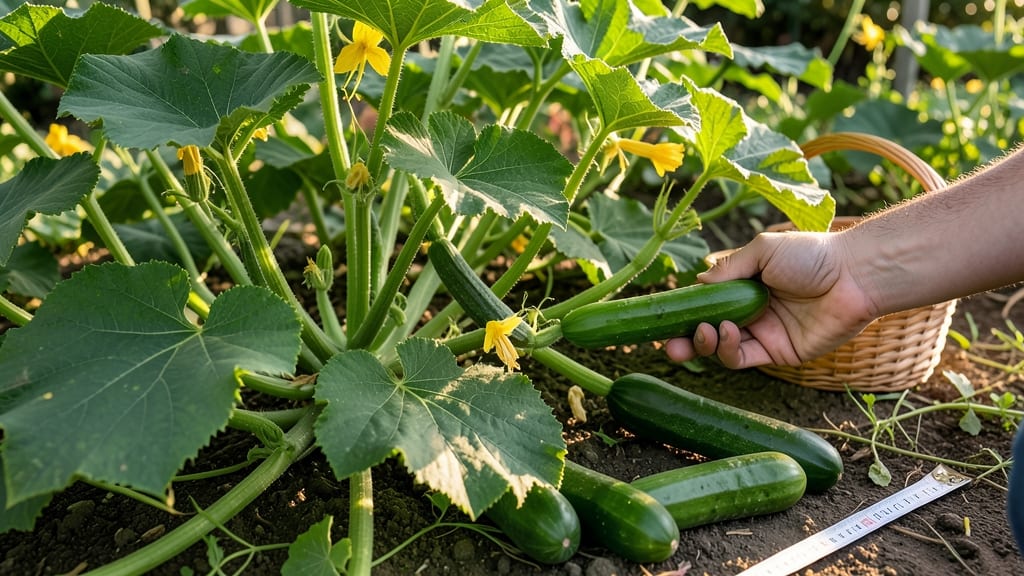
Picking cucumbers from your garden at the right time is the secret to crisp, sweet, and seedless slices every time—because once they overripe, you’re stuck with mealy, bitter messes.
Here’s the deal: most gardeners wait too long, ending up with cucumbers that are tough, seedy, or even yellowing at the blossom end. The key? Size, color, and texture—three simple checks that take less than 10 seconds each time you harvest.
In USDA Zone 6a, your cucumbers will be ready between July and September, but the real trick is catching them at 6–8 inches with firm, deep-green skin. Miss that window, and you’ll watch your plants slow down as they focus energy on overgrown fruit instead of new growth.
Below, I’ll break down the exact cues to look for—plus how often to check your vines—and keep your 🥒 harvest coming all season long without a single wasted cucumber.


3 Key size checks for picking cucumbers at peak flavor
Cucumbers are one of those garden gems where timing truly makes all the difference. If you pick them too early, they’ll taste bitter and underdeveloped, while waiting too long risks tough skin and seedy disappointment.
The secret lies in mastering just three simple size checks—length, color, and texture—that guarantee crisp, flavorful cucumbers every time you harvest.
Not all cucumbers are created equal, though. Slicing varieties like 'Straight Eight' or 'Marketmore' need different care than pickling types such as 'Boston Pickling' or 'National Pickling'.
Even within the same plant, some cucumbers mature faster than others, so knowing these checks helps you stay ahead of the game and avoid overripe surprises.
Here’s the game-changer: the blossom end (the end opposite the stem) turns from green to yellow when cucumbers are ready. This visual cue, combined with size and firmness, ensures you’re harvesting at peak perfection. Let’s break down the exact checks you need to make every harvest a success.
| Check Type | Slicing Varieties (e.g., 'Straight Eight') | Pickling Varieties (e.g., 'Boston Pickling') | Visual Cue |
|---|---|---|---|
| Size | 6–8 inches long | 1–3 inches long | 📏 Measure from blossom end to tip |
| Color | Deep green, even tone | Bright green, glossy | 🟢 Check blossom end for yellowing |
| Texture | Firm but yields slightly when pressed | Crisp, firm skin | 🤏 Gently squeeze near middle |
| Stem Check | Stem snaps easily when bent | Stem separates cleanly | ✂️ Twist gently to test readiness |
| Blossom End | Yellowing (not green) | Yellowing (not green) | 🟡 Key indicator of ripeness |
First, let’s talk size. For slicing cucumbers, aim for 6–8 inches long. If you’re growing a pickling variety like 'Boston Pickling', you’ll want them much smaller—around 1–3 inches.
Smaller cucumbers are sweeter and less seedy, perfect for pickling. Pro tip: Use a ruler or your hand as a guide (your palm spans about 3 inches).
Next, check the color. A ripe cucumber should be a deep, even green with no yellowing. The blossom end (the end opposite the stem) is your secret weapon—it should turn yellow when the cucumber is ready.
If it’s still green, wait a day or two. Overripe cucumbers develop yellow patches, and their flavor suffers as they become bitter or bland.
Texture is where many gardeners miss the mark. A perfect cucumber should feel firm but yield slightly when you press it gently near the middle. If it’s rock-hard, it’s underripe; if it feels mushy or spongy, it’s past its prime.
Think of it like testing a ripe avocado—just enough give to know it’s ready.
Here’s a trick I swear by: the stem test. Hold the cucumber near the stem and bend it gently. If the stem snaps cleanly, it’s ready to harvest. If it resists or tears, give it another day.
This simple check saves you from overripe cucumbers that turn tough and seedy. Plus, it’s a great way to tell if your plant is producing consistently.
One common mistake I see is waiting until cucumbers get too big. By the time they’re 10+ inches long, they’re often seedy and watery, with tough skin that’s unpleasant to eat.
Regular harvesting—every 2–3 days—encourages your plant to produce more cucumbers. Think of it like pruning: you’re training the plant to keep bearing by removing the ripe ones.
For bush varieties, which stay compact, you’ll need to harvest more frequently since they produce faster. Vining types like 'Straight Eight' give you a little more leeway, but don’t let them get away from you.
I’ve learned the hard way that a single missed harvest can lead to a flood of overripe cucumbers that take over your garden bed.
Finally, don’t forget the time of day. Harvesting in the morning is ideal because cucumbers are cool and crisp
Signs your cucumbers are overripe (and how to fix it)
Even experienced gardeners sometimes struggle to recognize when cucumbers have passed their prime. Overripe cucumbers develop a bitter taste, tough skin, and excessive seeds—all signs your plant is putting energy into seed production instead of new fruit.
The good news? You can still salvage flavor and prevent future issues with a few simple adjustments.
One of the first visual red flags is a cucumber's color shifting from vibrant green to yellow or white. The blossom end (where the stem was attached) may also turn yellow or even brown.
These changes indicate the cucumber has been on the vine too long, causing its starches to convert into sugars that create bitterness.
⚠️ WARNING: Overripe Cucumbers Are a Common Mistake
Don't wait for cucumbers to reach maximum size! Many gardeners assume bigger means better, but overripe cucumbers (10+ inches) become seedy, fibrous, and unpalatable. The ideal harvest window is 6-8 inches for slicing varieties and 2-4 inches for pickling cucumbers.
Fix it: Check cucumbers every 2-3 days during peak harvest season (July-August). If you spot overripe cucumbers, remove them immediately to redirect the plant's energy to new growth.
Another telltale sign is the cucumber's skin texture. While firm cucumbers are ideal, overripe ones develop a waxy or leathery feel. Gently press a cucumber—if it feels mushy or overly soft, it's past its prime.
The stem may also separate easily from the vine, which is a clear indication the cucumber is overmature.
If you find your cucumbers already overripe, don't despair! These cucumbers can still be used in cooked dishes like soups or stir-fries, where their texture won't be as noticeable. For fresh eating, try slicing them thinly and soaking in cold water for 30 minutes to reduce bitterness.
However, the best solution is prevention—establish a regular harvest routine to keep your cucumbers at peak flavor.
To prevent overripeness in future harvests, consider these proactive strategies:
- Choose bush varieties like 'Bush Champion' for easier monitoring
- Use trellises to improve air circulation and visibility
- Harvest in the morning when cucumbers are coolest and firmest
Remember, cucumber plants produce continuously throughout the season. By staying vigilant and harvesting regularly, you'll enjoy crisp, sweet cucumbers all summer long—without the bitter aftertaste of overripe produce. 🥒