
Picking
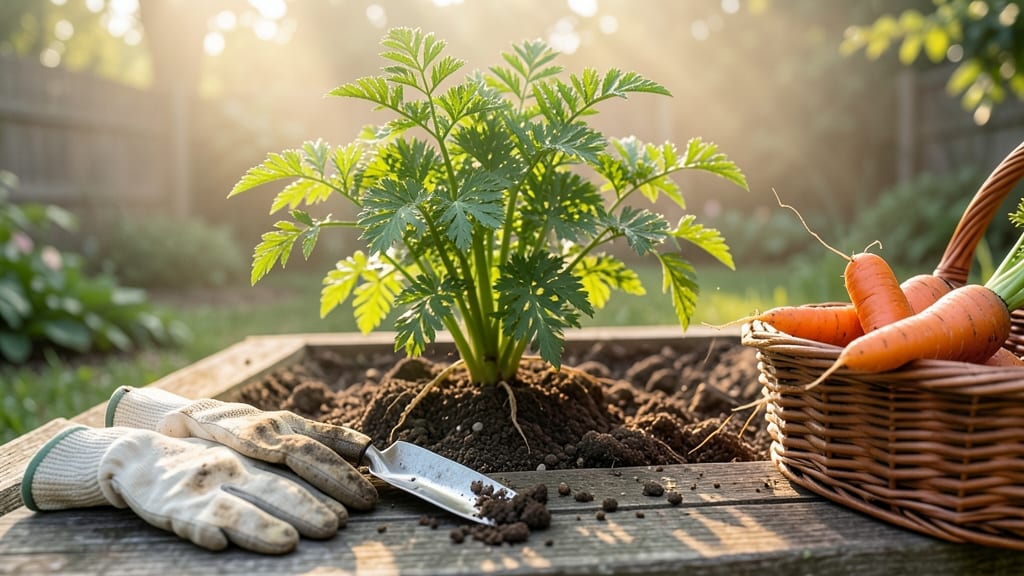
Harvesting carrots from your garden at the right time ensures they stay sweet and tender, not tough and woody.
Picture this: you’ve nurtured your 🥕 plants all season, and now the moment of truth arrives—how do you know when they’re finally ready to pull? Miss the window, and you’re left with roots that taste like sawdust.
Get it right, and you’ll enjoy the crisp, flavorful harvest you’ve been dreaming of.
Timing matters more than you might think. Carrots mature between 60 and 80 days, but factors like soil temperature, rainfall, and variety play a role.
Too early, and they’re undersized; too late, and they turn fibrous. The key is watching for three clear signs: leaf size, root exposure, and soil conditions.
In this guide, I’ll walk you through exactly when to harvest—whether you’re growing short-season varieties in spring or long-season types in fall—and how to store them for maximum freshness. No more guesswork, just perfect, restaurant-quality carrots straight from your garden.


3 Visual signs your carrots are ready for harvesting
Harvesting carrots at the perfect moment transforms your garden into a treasure trove of sweet, crisp roots. But how do you know when they're ready? The answer lies in three key visual cues that reveal their maturity.
Ignoring these signs can turn your tender harvest into tough, fibrous messes—so let's dive into what to watch for in your carrot patch.
First, pay attention to the foliage. Healthy carrot tops should be vibrant and lush, not wilted or yellowing. The leaves act like a maturity barometer, telling you whether your carrots have enough time in the ground.
When the tops reach 6–12 inches tall and look bushy, your roots are likely ready for harvest. This is your first green light to check further.
Next, examine the shoulder of the carrot, the part just above the soil line. When this 1–1.5 inches of the carrot is exposed, it’s a clear sign of maturity.
This happens naturally as the root grows and pushes through the soil surface. If you see this "neck" peeking out, your carrots are nearing peak harvest time.
Finally, test the soil conditions around your carrots. Loose, well-draining soil makes it easier to harvest without damaging the roots. If the soil feels compacted or dry, it’s a red flag—your carrots might be struggling to grow properly.
Well-drained soil also prevents forked or misshapen roots, ensuring a cleaner harvest.
🌱 3 Visual Signs Your Carrots Are Ready
- 1. Leaf Size: Tops reach 6–12 inches and are dark green and lush. Leggy or sparse foliage means they need more time.
- 2. Root Exposure: The shoulder (1–1.5 inches) is visible above soil. This signals the root has reached ideal size.
- 3. Soil Conditions: Soil is loose and moist, not compacted. Dry or hard soil can stunt growth or cause deformities.
Pro Tip: Gently tug on a few carrots—if they resist but pull out cleanly, they're ready!
Don’t wait until the leaves start yellowing or the roots feel woody—this is your harvest window. Carrots left too long in the ground can become tough and develop a bitter taste.
Once you spot these three signs, grab your gardening fork or trowel and get ready to pull those sweet rewards from the earth.
For baby carrots, you can harvest even earlier when the roots are about 1–2 inches long. These are perfect for quick snacks or salads and can be harvested multiple times throughout the season. Just be sure to leave some carrots to mature fully for that classic, full-sized harvest.
If you're growing long-season varieties, like 'Danvers' or 'Chantenay', keep an eye on the days to maturity listed on your seed packet. Most carrots take 60–80 days to reach harvest readiness, but cooler weather can slow growth. Adjust your timeline based on your local climate and soil conditions.
One final tip: Harvest on a dry day to make the process easier. Wet soil can cling to the roots and make them harder to clean.
After harvesting, store your carrots in a cool, dark place or refrigerate them to preserve their crisp texture and sweet flavor for up to a month.
Now that you know what to look for, your garden is one step closer to yielding a bountiful carrot harvest. Keep these visual cues in mind, and you’ll always know exactly when to pull those perfect, sweet roots from the soil. Happy harvesting! 🥕
How long carrots take to mature: a seasonal harvest timeline
Carrots are a gardener’s patience test—some varieties mature in as little as 50 days, while others take nearly 100 days to reach harvest size. The timing depends on the variety you grow and your local climate.
Short-season types like 'Paris Market' (55 days) are perfect for cool springs or fall harvests, while heirlooms like 'Danvers' (75 days) thrive in warm summers. Understanding these differences ensures you enjoy crisp, sweet roots instead of tough, woody disappointments.
Weather plays a critical role in your harvest window. Cool temperatures (50–70°F) speed up growth, while hot, dry conditions can stunt roots or cause bolting. In my Zone 6a garden, I plant early spring carrots in March and late summer varieties in August to avoid summer heat stress.
If you live in a shorter growing season, focus on fast-maturing varieties or extend your season with row covers.
Here’s how to match your carrot variety with the right harvest timeline:
For spring-planted carrots, aim to harvest before the summer heat sets in. In my garden, I start pulling 'Paris Market' carrots in early June, just as the soil begins to warm. If you miss this window, the roots may become woody or bitter.
For fall harvests, plant again in early August to enjoy fresh carrots through October, avoiding the first frost that hardens roots.
Weather disruptions can throw off your timeline. A heatwave might cause carrots to bolt (send up flowers) in as few as 40 days, while cool, wet springs can delay maturity by 2–3 weeks.
To adapt, monitor your plants for visual readiness cues—like the shoulder of the carrot breaking the soil surface—rather than relying solely on days since planting.
Pro tip: Succession planting every 2–3 weeks ensures a steady supply. I sow a new batch of 'Rainbow Mix' every month from March to August, guaranteeing fresh carrots from June through October.
This method also spreads out the harvest workload, making it easier to keep up with weeding and thinning.
Once you’ve mastered the timeline, harvest at the right moment for maximum sweetness. Pull carrots on a cool, cloudy day to preserve their crisp texture. Store them in the fridge for up to 3 weeks, or preserve extras by canning or freezing for winter meals.