
Tools
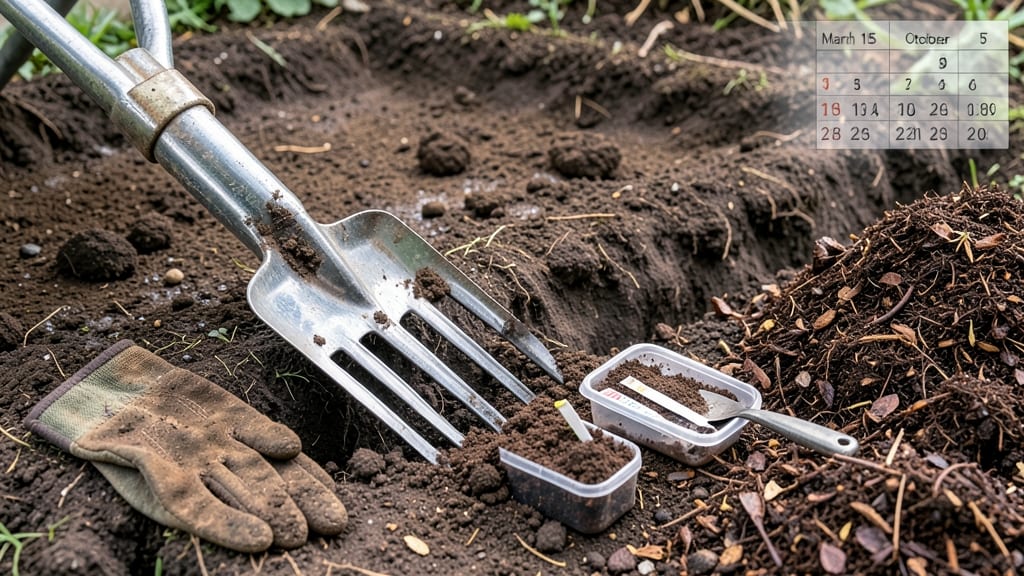
The best time to till a garden is during early spring or fall when soil temperatures sit between 50–60°F (10–15°C) and moisture levels are balanced, creating optimal conditions for aeration while protecting plant roots and preventing soil compaction. Avoid tilling when the ground is frozen, saturated, or bone-dry.
Timing your tilling session around these conditions isn't just about convenience—it's about giving your soil the right environment to recover.
When temperatures hover in that 50–60°F range, microbial activity ramps up, breaking down organic matter faster while preventing heat stress on young roots. 🌱 I've noticed that fall tilling often yields better results because it allows the soil to settle over winter, reducing erosion risks in spring.
The key is checking moisture first: stick your finger in about 6 inches deep—if it feels like a damp sponge, you're golden.
One common mistake is tilling too early in spring when the ground is still cold or too late in fall when frost threatens. In northern climates, aim for after the last frost date, while southern regions can often start earlier.
Always work when the top 2–3 inches of soil are dry enough to crumble but not powdery—this balance keeps your garden healthy and your tools from getting stuck.
💡 In This Article
- Ideal Soil Temperature and Moisture for Tilling
- Step-by-Step Guide to Tilling by Season
Ideal soil temperature and moisture for tilling
The 50–60°F (10–15°C) soil temperature range isn't arbitrary—it's where soil biology and physics align perfectly. At these temperatures, soil microbes (bacteria, fungi, and earthworms) become most active, breaking down organic matter into nutrients your plants can absorb.
Below 50°F, microbial activity slows dramatically, while above 60°F, the soil risks drying out too quickly, especially in sunny climates. Think of it like Goldilocks: too cold or too hot, and the soil won't cooperate.
Moisture plays an equally critical role—ideal tilling conditions occur when the soil holds about 20–30% moisture by volume, similar to a wrung-out sponge. This level allows the tiller blades to cut through the soil cleanly without sticking, while also preventing compaction.
When soil is too dry (10% moisture or less), it turns to powder, clogging your tiller and leaving a dusty mess. Conversely, waterlogged soil (40%+ moisture) creates a gummy paste that smothers roots and makes tilling nearly impossible without damaging the soil structure. 🌧️
Fall tilling often works better than spring because the cooler temperatures and increased organic matter from decomposing leaves create a more stable soil structure. In spring, newly thawed soil is often too loose and prone to erosion, while fall's moderate temps let the soil settle naturally.
The difference in timing also affects root systems: spring tilling can disrupt emerging roots, while fall tilling gives plants a head start in spring with pre-aerated soil.
Here's what happens when you till outside these ideal conditions: frozen soil (32°F or below) shatters like glass, while waterlogged soil (saturated after heavy rain) turns to mud, compacting instead of aerating.
Even overly dry soil (common in summer) can form hardpan layers that resist tilling, leaving you with uneven, clumpy soil.
The key is testing both temperature and moisture before you start—use a soil thermometer and the "squeeze test" (grab a handful: if it crumbles when dry but holds shape when moist, you're in the sweet spot).
Seasonal variations matter too. In northern climates, aim for tilling in late April to early May (after frost) or September to October, while southern regions can till as early as February-March or November-December.
The 10–15°C (50–60°F) rule remains consistent, but local frost dates and rainfall patterns dictate the exact timing. For example, in Arizona, you might till in January when nights are cool, while in Minnesota, June is the earliest safe bet.
One advanced tip: if you must till in extreme heat (75°F+), do it in the early morning or late evening to prevent soil moisture loss.
The same goes for cold snaps—wait until the daytime highs reach 50°F before starting, as nighttime temps can still be too chilly for optimal results. Paying attention to these details ensures your soil stays healthy and your garden thrives. 🌱