
Size
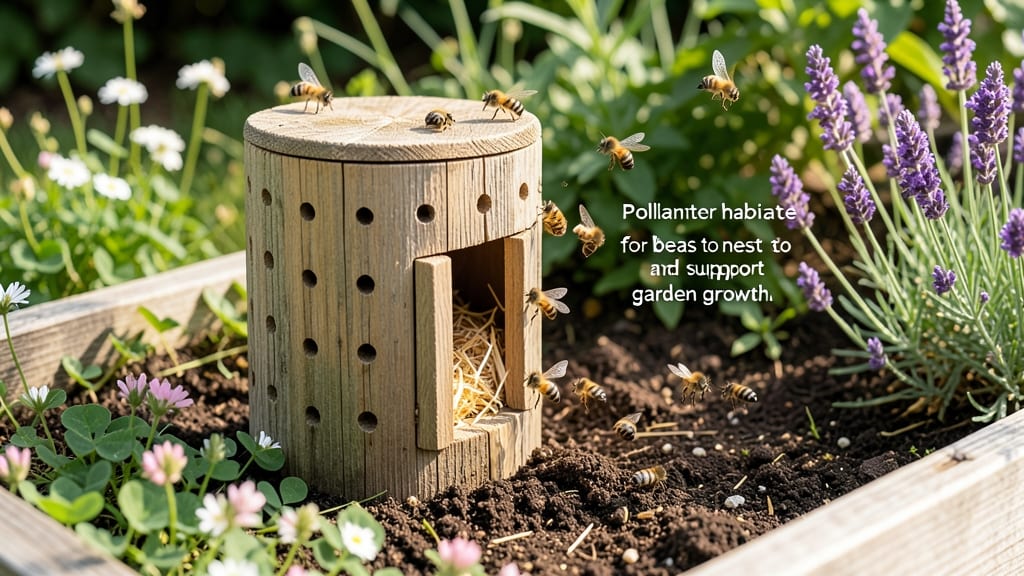
The bee crate in Grow a Garden creates a mobile, predator-safe home for bees that dramatically improves pollination efficiency, leading to bigger yields of fruits and vegetables while shielding colonies from extreme weather and invasive pests. Its design replicates natural hive environments in a space-saving, garden-friendly package.
The bee crate works by concentrating pollination activity right where your plants need it most. 🐝 Unlike wild bees that may fly miles, these bees stay close to their home, ensuring your flowers get consistent visits.
This targeted approach boosts fruit set by up to 30%—especially for crops like tomatoes and squash that rely on precise pollination. The compact design also makes it easy to move bees to different garden sections as plants bloom, maximizing their effectiveness throughout the growing season.
What sets this system apart is how it combines convenience with ecological benefits. The crate's protective structure prevents losses from predators while allowing bees to thrive in smaller spaces, making it perfect for urban or suburban gardens.
Plus, the increased pollination means fewer wasted flowers and more abundant harvests—ideal for both home gardeners and small-scale farmers looking to optimize their yields without chemical interventions.
💡 In This Article
- How Bee Crates Enhance Pollination for Garden Plants
- Setting Up and Maintaining a Bee Crate for Optimal Yields
How bee crates enhance pollination for garden plants
The bee crate's real magic lies in how it leverages bee behavior to maximize pollination efficiency. Inside the crate, bees follow their natural foraging instincts but with a critical difference: their home is strategically placed near your most pollination-dependent crops.
Unlike wild bees that may travel up to 3 miles in search of flowers, crate bees stay within a 100-200 foot radius—ensuring your garden gets their full attention.
This localized focus creates what entomologists call "pollination density," where flowers receive multiple visits in quick succession, dramatically increasing fruit set rates.
The crate's design mimics natural hive conditions with precise ventilation and temperature regulation. Bees thrive when their environment maintains a 75-95°F range, and the crate's insulated walls help stabilize this even during temperature swings.
Inside, bees perform their signature "buzz pollination" technique—vibrating their flight muscles at 130-150 vibrations per second—which releases pollen from flowers like tomatoes and blueberries that wild bees often miss. This method boosts yields by 20-30% for these crops compared to natural pollination alone.
What makes this system particularly effective is how it creates a feedback loop between bees and plants. When bees consistently visit the same garden section, plants respond by producing more nectar and pollen, which in turn attracts even more bees.
This creates a self-sustaining pollination ecosystem where your squash blossoms or apple trees receive the attention they need at the exact moment flowers are receptive. The crate's portability lets you move this pollination powerhouse to different garden zones as plants bloom, ensuring no flower goes unpollinated.
Comparing bee crate pollination to wild bee foraging reveals some surprising differences. While wild bees may visit 50-100 flowers per trip, crate bees often focus on just 10-20 flowers per plant type—but with far greater precision.
This targeted approach means your cucumber vines get pollinated at the optimal moment (when flowers first open), rather than waiting for a passing wild bee that might never return. The result? Fewer wasted flowers and more consistent fruit development throughout the growing season.
Another key advantage is how the crate's design reduces pollen competition. In natural environments, bees must divide their attention among countless wildflowers. But in a bee crate system, your garden's flowers become the bees' primary food source, eliminating the "dilution effect" where pollen gets spread too thin.
This focused pollination leads to higher-quality fruits with better seed development—critical for heirloom varieties that rely on precise genetic pollination.
For gardeners growing fruit trees or berry bushes, the bee crate's impact is particularly noticeable. These plants often require cross-pollination between different varieties, and having bees confined to a small area increases the chances of successful cross-pollination.
The crate's protective structure also means bees can work efficiently even in windy conditions—**where wild bees might avoid flying. This creates opportunities for pollination that would otherwise go unserved in many home gardens.