
Tools
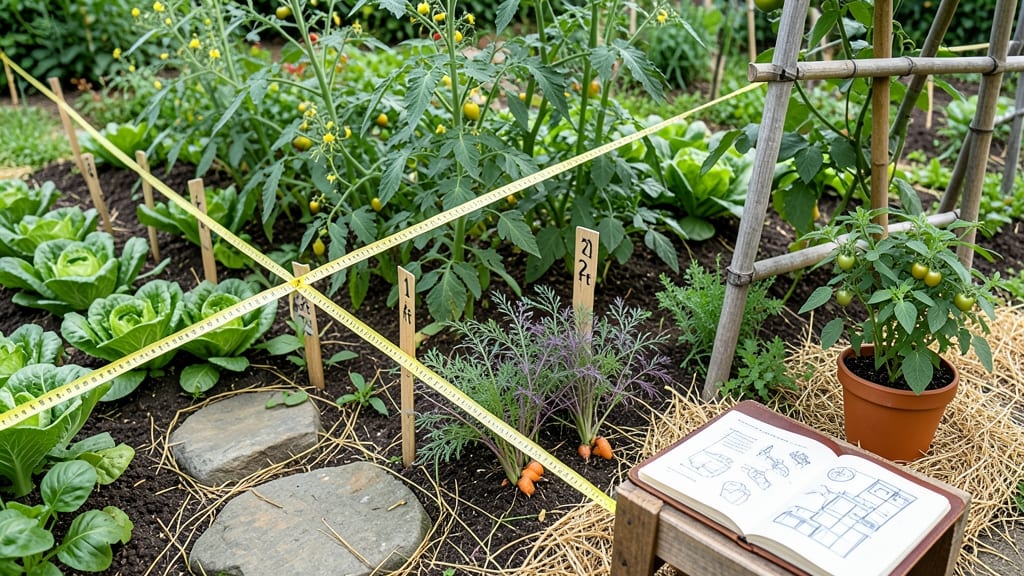
Calculating the size of a garden requires measuring its length and width in square feet or meters, factoring in walkways and plant spacing, then computing the total area for effective planning and plant arrangement. Use a tape measure or laser tool for precise measurements.
Figuring out your garden's dimensions isn't just about grabbing a measuring tape—it's the foundation for everything that comes next. 🌱 Whether you're planning a cozy herb garden or a sprawling vegetable plot, knowing the exact square footage helps you choose the right plants, design pathways, and avoid overcrowding.
I always recommend starting with the longest side and working your way across, marking corners with stakes or flags to keep track, especially if your garden has curves or slopes. This method ensures you account for every inch of usable space, not just the main planting area.
Once you've got your measurements, don't forget to deduct space for walkways, compost bins, or seating areas. A common rule of thumb is to allocate 2-3 feet of walkway width for easy access, but this can vary based on your garden's layout.
For example, a 10x10-foot garden might only yield 80 square feet of planting space after accounting for pathways. Precision here saves headaches later when you realize your prized tomato plants don't have enough room to thrive.
💡 In This Article
- Garden Size Measurement Techniques for Accuracy
- Optimizing Garden Layout Based on Size
Garden size measurement techniques for accuracy
Measuring your garden's dimensions accurately starts with choosing the right tool for the job. A 100-foot tape measure is the classic choice for rectangular plots, but for larger or irregularly shaped gardens, a laser rangefinder can save time and frustration.
These devices use infrared beams to measure distances up to 500 feet with millimeter precision, eliminating guesswork on slopes or uneven terrain. I've found that digital tape measures with built-in calculators are especially helpful—they automatically compute square footage once you input length and width, reducing math errors.
For gardens with curves or odd angles, break the space into smaller rectangles or triangles, measure each section separately, and sum the areas. For example, a kidney-shaped garden might be divided into a rectangle (12x8 feet) plus a semicircle (radius 4 feet).
The formula for a semicircle's area is ½πr², so that would be ½ × 3.14 × 4² = 25.12 square feet. Always measure the longest straight line first to minimize errors, and use stakes or spray paint to mark corners before taking measurements.
Sloped gardens require measuring the horizontal distance (not the slope) to avoid overestimating usable space.
Technology can simplify the process further. GPS-enabled apps like Gardenate or iGrow let you map your garden digitally, automatically calculating area and even suggesting plant arrangements based on your measurements. These tools sync with soil sensors to provide data on microclimates within your garden, which can influence plant spacing recommendations.
However, for maximum accuracy, always cross-check digital measurements with physical ones—GPS signals can be off by up to 3 meters in dense foliage or near metal structures.
Common pitfalls include ignoring vertical space (like trellises or raised beds) and forgetting to account for future expansion. A 4x8-foot raised bed might seem small, but when stacked vertically with vining plants, it can yield the same harvest as a 16-square-foot ground-level plot.
Always measure the interior dimensions of raised beds, not the exterior, as the framing adds bulk. For slopes, use a level to ensure your measurements reflect true horizontal distance—otherwise, you might end up with a "garden" that's more hillside than planting area.
Pro tip: Measure at the widest points of pathways or planting areas to avoid underestimating space. For instance, a winding pathway might appear narrow in some spots but widen near benches or compost bins.
Document your measurements with a simple sketch, noting any irregularities. This visual reference becomes invaluable when planning irrigation systems or selecting plants with specific sunlight or soil requirements.
Remember that garden tools degrade over time. Check your tape measure for stretching (a 100-foot tape can lose 1-2 inches of accuracy after years of use) and calibrate laser rangefinders annually.
Investing in quality tools now prevents costly mistakes later, like buying too many plants for your actual available space or struggling to navigate cramped pathways during harvest time.