
Tools
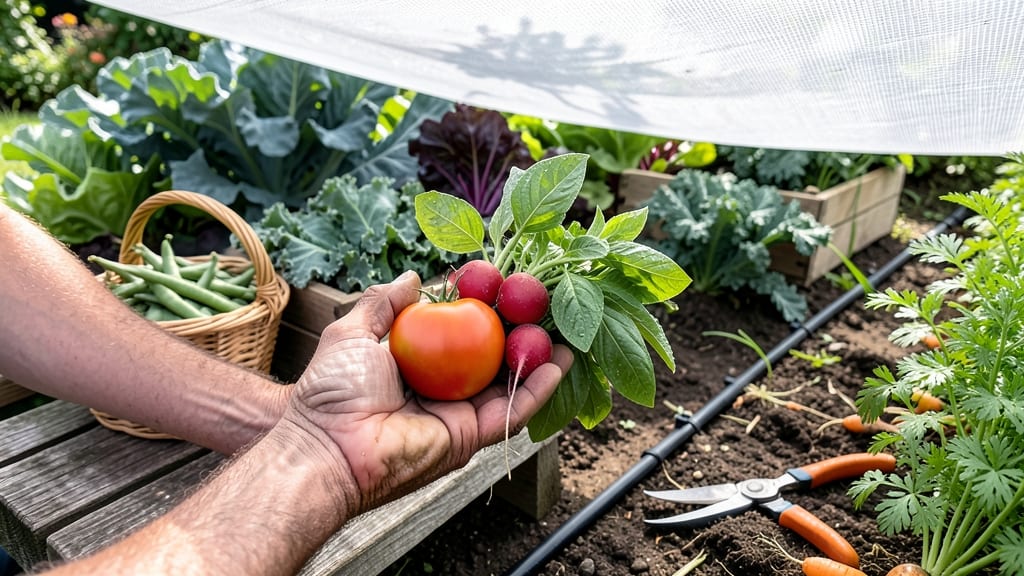
The ideal market gardening climate favors temperate regions with steady rainfall and balanced temperatures, but smart microclimate solutions—such as shade cloths, protective covers, and season-extending structures—allow growers to thrive beyond traditional growing seasons. USDA zones 6 through 9 are most productive, though innovative techniques push boundaries in colder or hotter areas.
Market gardening doesn't have to be limited by your local climate. 🌱 Many successful growers in zones 5 or 10 adapt their methods using simple tools like cold frames or row covers to create microenvironments that mimic ideal conditions.
For example, a cold frame can add 10–15°F of protection during frosts, while shade cloth reduces heat stress in summer. The key is understanding how sunlight, wind, and soil interact—small adjustments can mean the difference between a thriving crop and a struggling one.
What sets market gardening apart is its focus on high-value, fast-growing crops that demand precise conditions. Leafy greens like kale or spinach, for instance, prefer cooler temperatures, while tomatoes and peppers need consistent warmth.
By layering techniques—like mulching to retain moisture and using windbreaks to reduce evaporation—you can create a stable growing environment even in less-than-perfect climates. The result? A longer harvest window and higher yields for your market.
💡 In This Article
- Optimal USDA Zones for Market Gardening Crops
- Microclimate Strategies for Year-Round Market Farming
Optimal USDA zones for market gardening crops
Market gardening thrives in USDA zones 6 through 9 because these regions offer the perfect balance of temperature, rainfall, and daylight that most high-value crops demand.
In zone 6, for example, the average last frost occurs around April 15, giving growers roughly 150 frost-free days—ideal for cool-season crops like lettuce and radishes, which bolt (go to seed) when temperatures exceed 75°F.
Meanwhile, zone 9's longer growing season (up to 270 frost-free days) suits heat-loving crops like eggplants and okra, which struggle below 55°F.
The key difference between zones lies in their humidity and temperature extremes. Zones 7 and 8, with their moderate climates, support a wider variety of crops year-round, while zones 6 and 9 require more careful planning to avoid heat stress or cold damage.
For instance, in zone 6, a sudden late frost can devastate tender greens, but in zone 9, excessive summer heat (above 90°F) can cause bolting in lettuce or blossom drop in tomatoes. The solution?
Matching crop selection to your zone's natural patterns—like planting heat-tolerant Swiss chard in zone 9 instead of delicate spinach.
Rainfall also plays a critical role. Zones 7 and 8 typically receive 30–50 inches annually, which is perfect for most market crops, but zones 6 and 9 often require supplemental irrigation.
In zone 6, for example, 1–1.5 inches of water per week is essential during dry spells, while zone 9's intense sun can evaporate moisture faster, demanding drip irrigation to maintain soil hydration. The result? Consistent yields and fewer losses to drought stress or fungal diseases like powdery mildew.
What most growers overlook is how humidity interacts with temperature. In zones with high humidity (like zone 8), diseases like downy mildew thrive in warm, damp conditions, while zones with low humidity (like zone 7) can cause blossom-end rot in tomatoes due to inconsistent moisture.
The fix? Adjusting planting times or using shade cloth to moderate temperature and humidity spikes. For example, a 30% shade cloth can reduce leaf temperatures by 10–15°F on hot days, preventing stress in heat-sensitive crops like basil.
For those outside zones 6–9, the good news is that high tunnels and greenhouses can simulate these ideal conditions. A simple unheated high tunnel can extend the growing season by 4–6 weeks in zones 5 or 10, while a greenhouse with supplemental heat adds even more flexibility.
The trade-off? Higher upfront costs, but the payoff is year-round production of high-value crops like microgreens or strawberries, which command premium prices at farmers' markets.
Here’s a quick reference for crop suitability by zone:
- Zones 4–5: Focus on cold-hardy crops like kale, carrots, and potatoes. Use cold frames for early starts.
- Zones 6–7: Ideal for leafy greens, herbs, and root vegetables. Mulch to retain soil warmth.
- Zones 8–9: Perfect for tomatoes, peppers, and squash. Prioritize shade and irrigation during heatwaves.
- Zone 10: Grow heat-tolerant crops like sweet potatoes and okra, but use shade cloth to protect from intense sun.
Understanding these nuances lets you tailor your garden to your zone’s strengths—whether that’s leveraging long summers in zone 9 or protecting crops from late frosts in zone 6. 🌿