
Tools
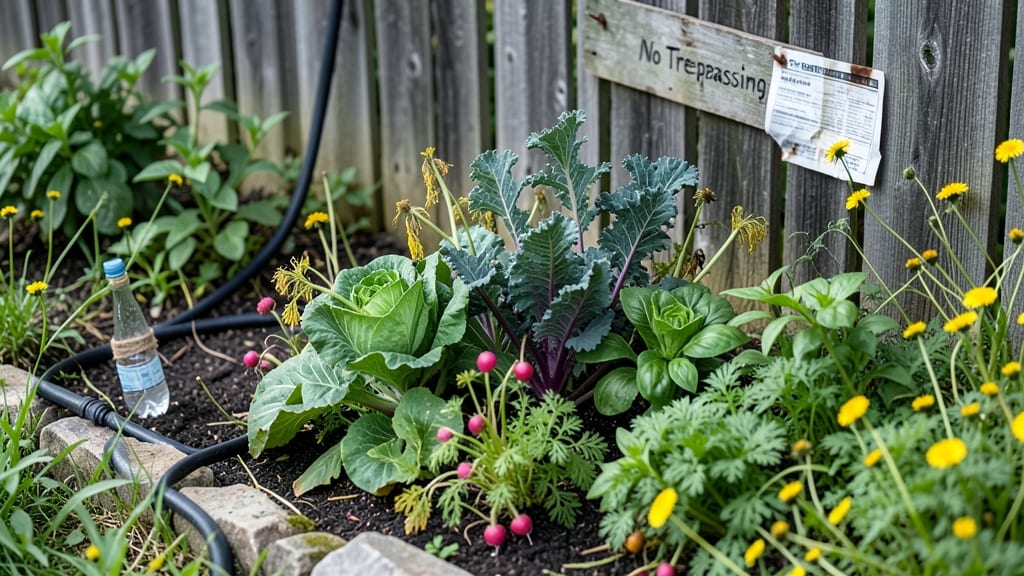
Whether a front yard vegetable garden is illegal depends on your local zoning laws, HOA rules, or city ordinances that often prioritize curb appeal over food production. Always verify municipal codes and neighborhood regulations before planting anything visible.
Many communities enforce restrictions because front yard gardens can conflict with aesthetic standards or property value expectations. 🌱 For example, some cities require all plantings to be ornamental, while HOAs may prohibit visible food production entirely.
I've seen cases where homeowners received fines or had to remove gardens after neighbors complained—always check your local planning department's website or call for clarification.
If you're determined to grow vegetables, there are legal workarounds like using privacy screens, hidden raised beds, or joining community gardens. Some cities even allow "permitted" vegetable gardens if they're tucked behind fences or shrubs. The key is balancing your gardening goals with neighborhood harmony and local rules.
💡 In This Article
- Zoning Laws and HOA Rules for Front Yard Gardens
- How to Legally Grow Vegetables in Restricted Areas
Zoning laws and HOA rules for front yard gardens
Local governments often regulate front yard gardens through zoning laws designed to maintain neighborhood aesthetics and property values. These ordinances frequently categorize food production as "commercial" or "non-conforming" land use, even for small-scale home gardening.
For example, cities like Los Angeles require all front yard plantings to be "ornamental" unless explicitly permitted in agricultural zones—something most residential areas aren't. The logic? Vegetable gardens can lower property values by making homes look less "curb-appealing" to potential buyers.
Homeowners' associations (HOAs) add another layer of restriction. Their bylaws typically ban "visible" food production in front yards, often citing concerns about pests, blight, or "unsightly" plants like cornstalks or tomato vines.
In Austin, Texas, one homeowner faced a $500 fine for growing tomatoes in their front yard after neighbors complained about the plants' height and "unmanicured" appearance. The HOA argued the garden violated their landscape standards, which required all plantings to be "low-growing and decorative."
What most people don't realize is how subjective these rules can be. A 3-foot-tall basil plant might be allowed, while a 6-foot tomato trellis could trigger enforcement. The key factor is visibility—if your garden is screenable (e.g., behind a fence or shrubs), it's far less likely to draw complaints.
Municipalities also prioritize setback requirements, meaning plants can't be too close to sidewalks or streets, which often excludes traditional row gardening.
Enforcement varies wildly by region. In Portland, Oregon, front yard gardens are generally legal if they're "neat and tidy," while in Miami-Dade County, HOAs can override city codes entirely. The best way to avoid surprises?
Contact your local planning department and ask for a written interpretation of your specific property's rules. Some cities even offer pre-approval processes for gardeners willing to comply with height, spacing, and plant-type restrictions.
Here's what's actually happening at the enforcement level: Cities and HOAs often receive complaints from neighbors who perceive gardens as "eyesores" or potential nuisances (think: stray produce attracting wildlife).
In 2022, Chicago issued 12 citations to homeowners for front yard vegetable gardens, all citing violations of their Landscape Ordinance (Section 4-12-030). The fines ranged from $150 to $750, depending on how long the garden had been in place.
If you're considering a front yard garden, start by examining your property's deed restrictions and HOA documents for language about "landscaping" or "ornamental plantings." Many restrictions include exceptions for native plants or pollinator gardens, which might offer a legal workaround.
For example, growing edible flowers like nasturtiums (which are technically vegetables) might fly under the radar in communities that ban "traditional" veggies.
Remember: The goal isn't to outsmart the system but to work within it. Even in the strictest neighborhoods, there's often room for creativity—like using raised beds against the house (less visible from the street) or opting for low-growing herbs that fit the "decorative" mold. 🌿