
Tools
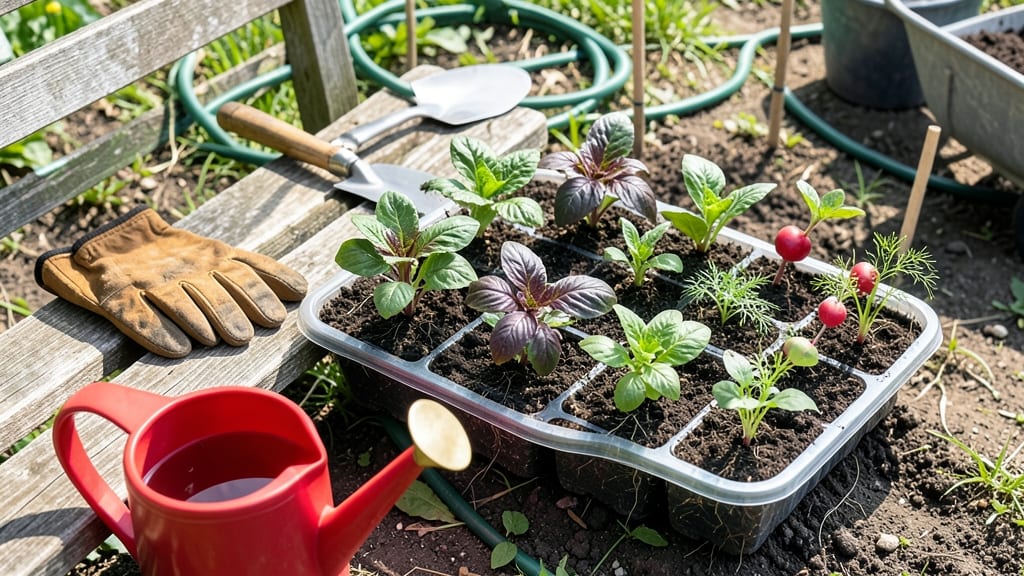
To start a garden in your backyard, begin by selecting a sunny location with good drainage, then test and improve your soil with compost. Choose hardy starter plants like basil or cherry tomatoes, design your layout for easy access, and maintain consistent watering while shielding young plants from pests.
Starting a backyard garden is simpler than you might think, especially when you focus on the basics first. 🌱 The right spot—at least 6-8 hours of sunlight daily—sets the foundation for healthy growth, while soil testing reveals whether your earth needs organic matter or nutrients.
I always recommend beginning with easy-to-grow plants like zucchini or marigolds, as they forgive beginner mistakes while rewarding you with quick results. The key is patience: even experienced gardeners start small, and a well-planned layout prevents future headaches when plants mature.
Don't overlook the little details that make a big difference—like spacing plants properly to avoid competition for resources or using mulch to retain moisture. Seasonal timing matters too: spring is ideal for cool-season crops, while summer thrives with heat-lovers like peppers.
What's interesting is how these small steps compound over time, turning a patch of dirt into a thriving ecosystem that supports both your meals and local wildlife.
💡 In This Article
- Essential Steps for Backyard Garden Planning
- Beginner-Friendly Backyard Garden Plants to Grow
Essential steps for backyard garden planning
Site selection is where your garden's success begins, and sunlight is the most critical factor. Most vegetables and herbs need 6-8 hours of direct sunlight daily, while leafy greens can tolerate 4-6 hours.
I've noticed that even a small difference—like planting in a spot that gets morning sun versus afternoon—can affect plant health. For example, tomatoes thrive with full sun, but their leaves can scorch at 90°F+ temperatures if exposed to intense afternoon rays without proper hydration. 🌞
Drainage is equally important—waterlogged soil cuts off oxygen roots need to absorb nutrients. Test your site by digging a 12-inch hole and filling it with water; if it drains within 4-6 hours, the spot is ideal.
If water pools, consider raised beds or amending the soil with organic matter like compost or perlite. Soil testing kits (available for $10-$20) reveal pH levels, which should ideally range from 6.0-7.0 for most backyard plants.
Adjusting with lime (to raise pH) or sulfur (to lower it) takes 2-3 months to show results.
Once you've secured the perfect spot, layout design directly impacts your garden's productivity. I recommend grouping plants by their water and sunlight needs—this is called "zoning"—to simplify maintenance.
For instance, place tall sunflowers on the north side of your plot to avoid shading shorter plants. Crop rotation is another game-changer: alternating where you plant families like tomatoes or peppers each year prevents soil-borne diseases from building up.
Companion planting takes this further—marigolds near tomatoes, for example, repel pests naturally while improving flavor.
Don't overlook the physical layout's practicality. Create 3-4 foot wide rows to allow easy access for weeding and harvesting without stepping on plants. Add 2-3 inch mulch (straw or wood chips) to retain moisture and suppress weeds—this saves 30-50% on watering during dry spells.
The mulch also regulates soil temperature, keeping roots cooler in summer and warmer in winter. For raised beds, ensure they're at least 6 inches deep to accommodate root growth and improve drainage.
Seasonal timing affects which plants thrive in your space. Cool-season crops like lettuce and peas should go in early spring or fall when temperatures hover around 50-75°F. Warm-season plants like cucumbers and basil, however, need soil temperatures above 60°F to germinate properly.
I've found that using a soil thermometer ($15) for 1-2 weeks before planting helps avoid disappointment with slow or failed germination.
Finally, plan for pest protection early. Physical barriers like row covers or chicken wire deter rabbits and deer, while companion plants like basil repel flies and mosquitoes. Even a small 10-foot perimeter of marigolds can reduce pest populations by 50% through their natural pyrethrin compounds.
The key is to think of your garden as an ecosystem where every element—sunlight, soil, layout, and plant choices—works together to create thriving conditions. 🌱