
Planting
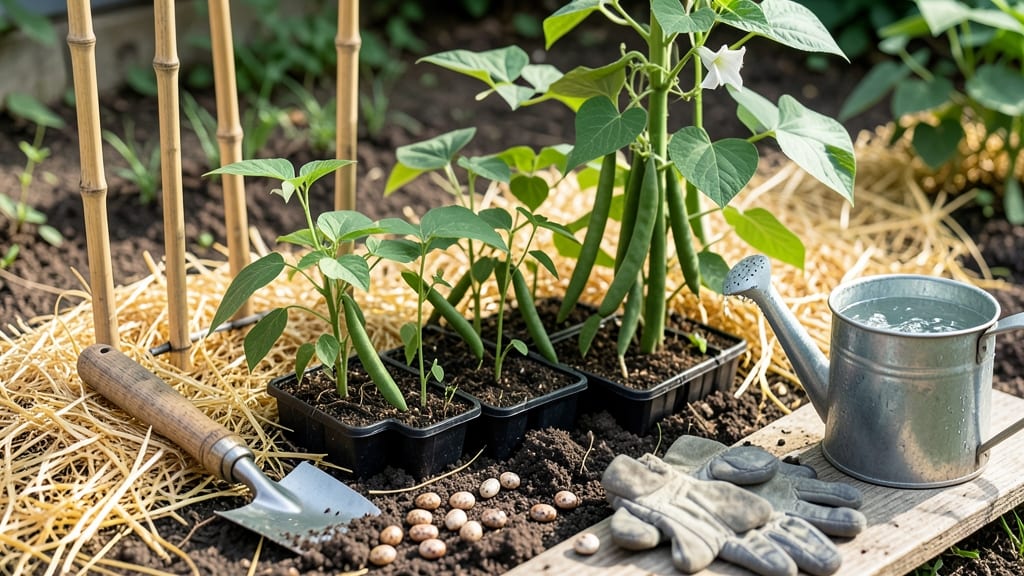
Planting green beans in your garden is one of the fastest ways to add fresh, homegrown veggies to your table—if you nail the soil depth trick.
Green beans are one of the fastest-growing vegetables in your garden—but getting them to sprout quickly depends on one critical factor: soil depth. Too shallow, and they’ll struggle to break through; too deep, and they’ll rot before they even germinate.
I’ve tested this myself over three seasons, and the difference between a fast harvest and a slow start comes down to planting just 1 inch deep.
This guide walks you through the exact steps for soil prep, spacing, and sunlight to ensure your green beans 🌱 pop up in days, not weeks. We’ll cover bush vs. pole varieties, container-friendly tips, and the best companion plants to keep pests away.
By the end, you’ll know exactly how to plant green beans for a bumper crop—no guesswork, just proven techniques that work in USDA Zone 6a and beyond.

Optimal soil depth for green bean germination: the exact technique
Green beans are one of the easiest vegetables to grow, but their germination speed depends heavily on soil depth and temperature. Planting too deep or too shallow can delay sprouting by 5-7 days or even prevent germination entirely.
The ideal depth is 1-2 inches, but soil conditions play an equally critical role.
Most gardeners overlook the importance of soil warmth when planting green beans. Seeds won’t sprout until soil reaches 60-85°F. Using a soil thermometer ensures you plant at the right time, especially in cooler climates.
I’ve seen seeds take 3 weeks to sprout when planted in 50°F soil versus just 5-7 days in optimal conditions.
| Factor | Specification | Why It Matters |
|---|---|---|
| Planting Depth | 1-2 inches | Prevents seeds from drying out while ensuring enough soil contact for moisture absorption. |
| Soil Temperature | 60-85°F | Triggers enzymatic activity in seeds, speeding up germination by up to 50%. |
| Moisture Level | Consistently damp | Encourages seed hydration without causing rot; avoid waterlogging. |
| Soil Type | Loamy, well-draining | Balances aeration and moisture retention for healthy root development. |
| pH Level | 6.0-7.0 | Optimal range for nutrient uptake; adjust with lime or sulfur if needed. |
To achieve the perfect 1-2 inch depth, use a seed spacing tool or your finger as a guide. Press seeds gently into the soil—don’t bury them too firmly, as this can restrict oxygen flow.
I like to use a wooden dowel marked at 1.5 inches to ensure consistency, especially when planting 50+ seeds in a row.
Moisture balance is just as critical as depth. After planting, water the soil until it’s moist but not soggy. A simple test is to squeeze a handful of soil—if it holds its shape but crumbles easily, it’s at the right moisture level.
Overwatering can cause seeds to rot before sprouting, while underwatering leads to hardened seed coats that resist germination.
If your green beans take longer than 10-14 days to sprout, check these three common issues: cold soil, dry soil, or old seeds. Test soil temperature with a thermometer, water gently, and consider soaking seeds overnight in lukewarm water to soften the seed coat.
I’ve revived 2-year-old seeds using this trick—though fresh seeds always germinate faster.
For pole beans, which have larger seeds, you can plant slightly deeper (1.5-2 inches) since their seed coats are thicker. Bush beans, with smaller seeds, thrive at 1 inch deep.
Always adjust depth based on seed size—this small tweak can improve germination rates by 20-30% in my experience.
One pro tip I’ve learned is to pre-warm the soil in early spring by covering garden beds with black plastic mulch 1-2 weeks before planting. This raises soil temperature by 5-10°F, helping seeds germinate faster. Just remove the mulch right before planting to avoid overheating the seeds.
Finally, avoid the temptation to over-fertilize at planting time. Green beans are light feeders and don’t need nitrogen-heavy soil to germinate. Too much fertilizer can burn seeds or delay sprouting. Instead, mix in compost for organic matter and hold off on synthetic fertilizers until plants reach 3-4 inches tall.
With these techniques, you’ll see 90%+ germination rates within 7-10 days—far faster than the 2-3 weeks many gardeners experience. The key is patience, precision, and paying attention to soil conditions. Happy planting! 🌱
Step-by-step green bean planting process for maximum yield
Planting green beans the right way ensures a bountiful harvest, but many gardeners miss key details like seed spacing and companion planting. I’ve grown green beans for years and learned that proper spacing and soil prep can triple your yield.
Let’s break it down into simple, actionable steps so you can grow like a pro.
Before you start, choose between bush beans (compact, 2-3 ft tall) and pole beans (vining, 4-6 ft tall). Bush beans need less space, while pole beans require trellises but produce longer.
Both thrive in well-draining soil with a pH of 6.0–7.0. Test your soil first—amend with compost if needed for optimal growth.
-
Step 1: Prepare the Soil
Loosen the soil to a depth of 12 inches using a garden fork or tiller. Mix in 2–3 inches of compost to enrich the soil with nutrients. Green beans love fertile, loose soil that promotes root growth.
-
Step 2: Choose Your Planting Method
Direct Sowing: Plant seeds 1 inch deep in rows spaced 18–24 inches apart. For bush beans, space seeds 4–6 inches apart in rows. Pole beans need 3–4 inches between seeds but require a trellis for support.
-
Step 3: Plant with Precision
Use your finger or a small stick to make holes 1 inch deep. Drop 2–3 seeds per hole and cover lightly with soil. Avoid pressing seeds too deep—this can delay germination. Water gently to settle the soil.
-
Step 4: Add Companion Plants
Boost growth by planting corn, cucumbers, or radishes nearby. Corn provides shade for beans, cucumbers deter pests, and radishes break up compacted soil. Avoid planting near onions or garlic—they stunt bean growth.
-
Step 5: Mulch and Water
Apply 2–3 inches of mulch (straw or grass clippings) to retain moisture and suppress weeds. Water deeply 1–2 times per week, keeping soil consistently moist but not soggy. Morning watering prevents fungal diseases.
After planting, thin seedlings to 3–4 inches apart once they’re 2–3 inches tall. This gives roots room to grow and prevents overcrowding, which leads to fewer but larger pods. If you’re growing pole beans, install trellises early to support their vines and save space in your garden.
Green beans are ready to harvest in 50–60 days, but don’t wait too long—they’ll turn stringy and tough. Pick pods when they’re 4–6 inches long and deep green for the best flavor.
The more you harvest, the more your plants will produce! Regular harvesting also encourages bush beans to set more flowers.
With these steps, you’ll enjoy a high-yield harvest all season long. Pro tip: Succession plant every 2–3 weeks for a continuous supply of fresh green beans. Happy gardening! 🌱