
How To
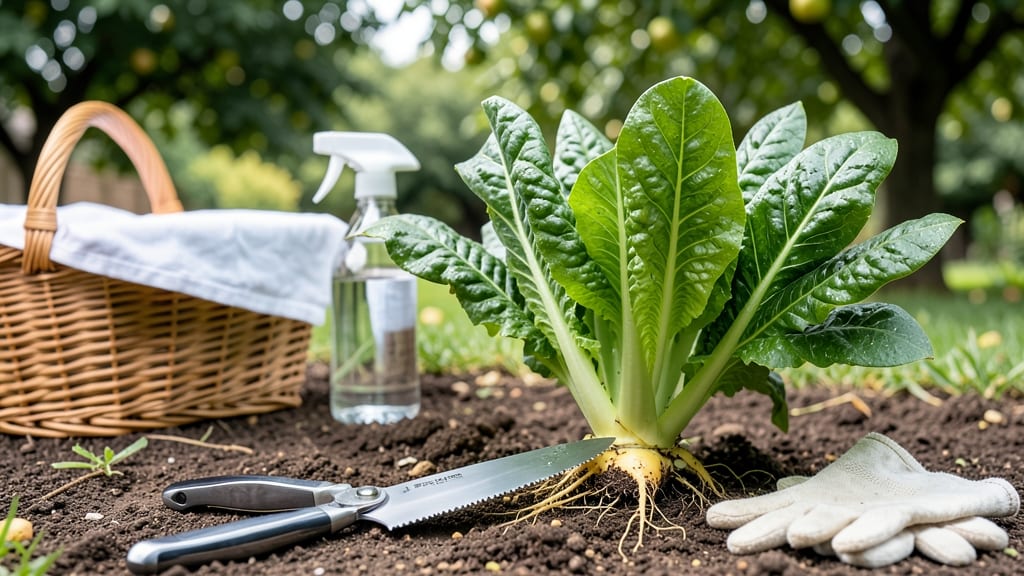
Harvesting romaine lettuce from your garden at the right time means crisp, flavorful leaves instead of tough, bitter stems 🥬—and it’s easier than you think.
Picture this: you’ve waited 6 weeks for those deep green leaves to reach their prime, only to cut them too late and end up with a mouthful of wood. That’s why timing is everything—harvest too early, and you lose flavor; too late, and the plant bolts.
Below, I’ll show you exactly when to pick for maximum freshness, how to cut without damaging the plant, and even how to coax a second harvest from the same bed.
Romaine thrives in cool spring and fall weather, but even a few days of heat can turn your perfect heads into bitter disappointment. The good news? With the right techniques, you can stretch your harvest season and avoid common mistakes that waste your hard work.
Whether you’re a first-time gardener or a seasoned green thumb, these tricks will keep your romaine tasting like a fresh salad all season long.
Ready to go from confused to confident? You’ll learn the 3 key signs your romaine is ready, the best tools to use (and which to avoid), and how to store your harvest so it stays crisp for days. Let’s get growing!


When and how to harvest romaine lettuce for maximum freshness
Harvesting romaine lettuce at the right time transforms your garden into a crisp, flavorful salad source. The key lies in recognizing visual maturity cues—like deep green leaves and pliable stems—before the plant bolts or turns bitter.
I’ve learned that harvesting outer leaves first extends the season, while cutting the whole head ensures a single, satisfying harvest. Let’s dive into the exact timing and techniques that keep your romaine tender and productive.
Romaine lettuce typically reaches harvest readiness in 45-60 days from planting, depending on your climate. In spring and fall, when temperatures hover between 50°F and 75°F, you’ll get the sweetest, most flavorful yields. Watch for leaves reaching 6-8 inches and forming a tight, upright head.
If you wait too long, the stems harden, and the leaves develop a bitter taste—a common mistake I made my first year!
You have two harvesting approaches: leaf-by-leaf or whole-head harvest. Leaf-by-leaf works best for continuous harvests, while whole-head is ideal for single, large salads. I prefer the first method because it lets me enjoy fresh romaine for weeks longer without sacrificing the plant’s ability to regrow.
Let’s break down the exact steps to harvest romaine like a pro, ensuring your plant stays healthy and productive.
How to Harvest Romaine Lettuce from Your Garden
- 1 Wait for maturity: Harvest when leaves are 6-8 inches long and form a tight head. Gently tug a leaf—if it resists slightly, it’s ready.
- 2 Choose your method: For leaf-by-leaf, snip outer leaves with clean scissors. For whole-head harvest, cut the entire head 1 inch above the base using a sharp knife.
- 3 Avoid damaging the core: Never cut more than 1/3 of the plant at once. Leave the inner leaves and growing point intact to encourage regrowth.
- 4 Harvest in the morning: Pick romaine when it’s cool and crisp (before 10 AM). This preserves flavor and texture for longer.
- 5 Store properly: Rinse leaves in cool water, dry thoroughly, and store in a sealed container with a paper towel in the fridge for up to 10 days.
Timing your harvest is just as critical as the technique. In spring, aim to harvest romaine between May and June when days are warm but not scorching. In fall, the September-October window works best.
If you’re in a hot climate, harvest early in the morning to avoid the midday heat, which can stress the plant and cause bolting. I’ve found that shade cloth helps extend the harvest season in summer by keeping temperatures down.
One of the biggest mistakes I see gardeners make is cutting the stems too close to the base. This removes the growing point and prevents regrowth. Always leave at least 1 inch of stem to encourage new leaves.
Another tip? Avoid harvesting during heatwaves—the lettuce will taste bitter and may bolt prematurely. Instead, focus on leaf-by-leaf harvesting during cooler months for the best flavor and longest harvest window.
After harvesting, give your romaine lettuce some post-harvest care to keep it producing. Water the base deeply but gently to avoid disturbing the roots, and apply a light layer of compost to replenish nutrients.
If you’ve harvested leaf-by-leaf, the plant may regrow in 2-3 weeks, giving you a second (or even third!) harvest. Just keep an eye out for pests like aphids and treat them early to avoid damage.
For the best results, I recommend harvesting romaine in the early morning when the leaves are firm and hydrated. This is when they’re at their peak crispness and flavor. Rinse the leaves just before eating—never store them wet, as this speeds up spoilage.
If you’re planning to store harvested romaine, wrap it in a damp paper towel and place it in a sealed container in the fridge. This keeps it fresh for up to 10 days.
Seasonal timing also plays a huge role in harvest success. In spring, romaine grows quickly due to cooler temperatures, while fall harvests benefit from the longer
5 Pro tips to extend your romaine lettuce harvest season
Extending your romaine lettuce harvest season means enjoying crisp, tender leaves well beyond the typical spring and fall windows. The key lies in strategic timing, environmental control, and smart storage techniques.
I’ve found that combining these methods can push your harvest by 4-6 weeks—sometimes even longer! The secret is understanding how to delay bolting while keeping your plants productive.
First, let’s tackle the biggest challenge: heat stress. Romaine lettuce bolts (goes to seed) quickly when temperatures rise above 75°F (24°C). By using shade cloth and adjusting your watering schedule, you can trick your plants into thinking it’s cooler.
I’ve seen gardeners extend their harvest by 3 weeks just by adding a 30% shade cloth during peak afternoon sun. Pair that with succession planting, and you’ve got a continuous supply!
One of my favorite tricks is succession planting. Instead of planting all your romaine at once, I sow new seeds every 2-3 weeks throughout the season. This ensures you always have young, tender plants coming in while older ones are being harvested.
For example, if you start your first batch in early March, follow up with plantings in late March, early April, and even mid-August for a fall harvest. This method guarantees you’ll have fresh romaine from spring through early winter!
Don’t overlook post-harvest care—it’s just as important as growing your lettuce. After harvesting, store your romaine in the crispest drawer of your fridge, wrapped in a damp paper towel inside a perforated plastic bag.
This setup mimics the humidity of a greenhouse and keeps leaves crisp for up to 2 weeks. Pro tip: If you notice wilting, place the bag in a bowl of ice water for 10 minutes to revive it.
I’ve used this trick to extend the life of my harvests by 3-5 days!
Another game-changer is interplanting with taller crops. By pairing romaine with bush beans, carrots, or radishes, you create a microclimate that stays cooler and more moist. The taller plants provide natural shade during the hottest part of the day, while their roots help retain soil moisture.
This technique works especially well in summer gardens where heat is a constant battle. I’ve seen romaine thrive in these setups even when planted in July!
Finally, pay attention to your soil health. Romaine lettuce prefers rich, well-draining soil with a pH between 6.0 and 7.0. Before planting, amend your soil with compost or aged manure to provide essential nutrients.
During the growing season, I use a balanced fertilizer (10-10-10) every 4-6 weeks to keep plants strong and productive. Avoid over-fertilizing, though—too much nitrogen can lead to leafy growth at the expense of flavor.