
Light Requirements
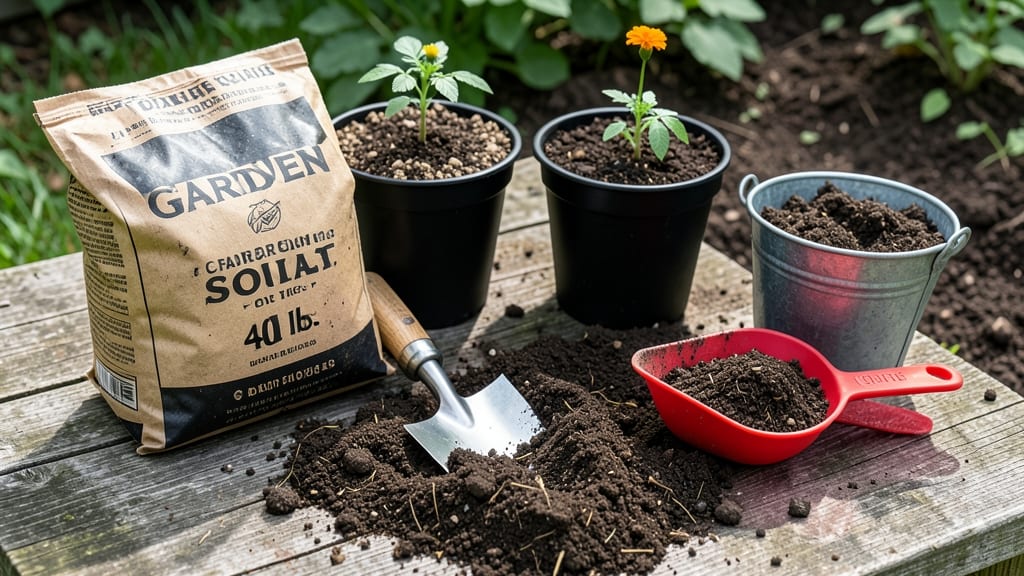
Garden soil pricing typically ranges from $2 to $8 per cubic foot, with 2-cubic-foot bags costing $3 to $15 depending on organic content, brand quality, and regional availability. Bulk purchases average $100-$300 per cubic yard, while specialty organic mixes can exceed $400.
The price you'll pay depends heavily on what's in the mix. 🌱 Basic garden soil blends—often made from topsoil and sand—tend to fall on the lower end of the spectrum, making them ideal for budget-conscious gardeners.
On the other hand, premium organic mixes with compost, worm castings, or mycorrhizal fungi can cost significantly more due to their nutrient density and improved plant growth benefits. Regional availability also plays a role, as areas with limited local soil resources may see higher shipping costs for specialty mixes.
For most home gardeners, buying in bulk offers the best value per cubic foot, especially if you can find local suppliers. Many garden centers and farm supply stores offer discounts for larger quantities, and some even provide free delivery on orders over a certain amount.
If you're working with a tight budget, consider mixing your own blend using cheaper base soil and adding compost or aged manure to boost fertility without breaking the bank.
💡 In This Article
- Factors Influencing Garden Soil Pricing in 2024
- Best Budget-Friendly Garden Soil Options by Bag Size
Factors influencing garden soil pricing in 2024
The core reason for price variation lies in the soil's composition and nutrient profile. Organic garden soils contain decomposed plant matter, compost, or worm castings that enrich the mix with essential nutrients like nitrogen, phosphorus, and potassium.
These ingredients cost more to source and process—compost alone can take 6-12 months to properly decompose—while inorganic blends rely on cheaper fillers like sand or clay.
For example, a 50-pound bag of pure compost may cost $8-$12, but mixing it with 50% topsoil can cut costs by nearly 40% while maintaining fertility.
Regional availability creates another pricing tier. Areas with abundant natural topsoil (like the Midwest) often see $2-$5 per cubic foot for basic mixes, while coastal or desert regions may charge $7-$12 per cubic foot due to higher transportation costs.
Local soil quality also matters—if native soil is already nutrient-rich, suppliers can charge less for "improved" blends. The NPK ratio (nitrogen-phosphorus-potassium) further impacts cost: a 10-10-10 mix will be pricier than a 5-5-5 version, as higher nutrient concentrations require more processing.
Supplier markup plays a surprising role in retail pricing. Big-box stores like Home Depot or Lowe's often add 30-50% to wholesale costs for branded bags, while local nurseries or farm supply stores may offer 10-20% discounts for bulk purchases.
Online retailers cut out middlemen but may charge extra for shipping—especially for heavy bags. For instance, a 40-pound bag might cost $5 at a local store but $8 online due to freight fees.
Seasonal demand spikes prices too. Spring planting season (March-May) sees 20-30% price increases as retailers stock up, while summer sales (June-August) offer discounts of 15-25% off to clear inventory. Timing your purchase can save $1-$3 per cubic foot without sacrificing quality.
Even the bag size affects cost—2-cubic-foot bags are pricier per cubic foot than 4-cubic-foot bags because smaller packages require more packaging material and handling.
Specialty additives drive premium pricing. Soils infused with mycorrhizal fungi (which boost root growth) or biochar (a carbon-rich amendment) can cost $10-$20 per cubic foot. These ingredients aren't just expensive—they require specialized processing.
For example, biochar production involves high-temperature pyrolysis (burning biomass in low-oxygen conditions), adding $5-$10 per bag to production costs. Even "premium potting mixes" with perlite or vermiculite for aeration cost more due to the lightweight, sterile materials.
Don't overlook hidden costs like delivery fees. Many suppliers offer "free" delivery only for orders over $100-$200, meaning you might need to buy extra soil to qualify.
Weighing these factors helps you balance quality and budget—especially if you're planting large gardens or container farms where soil volume matters most. 🌱