
Light Requirements
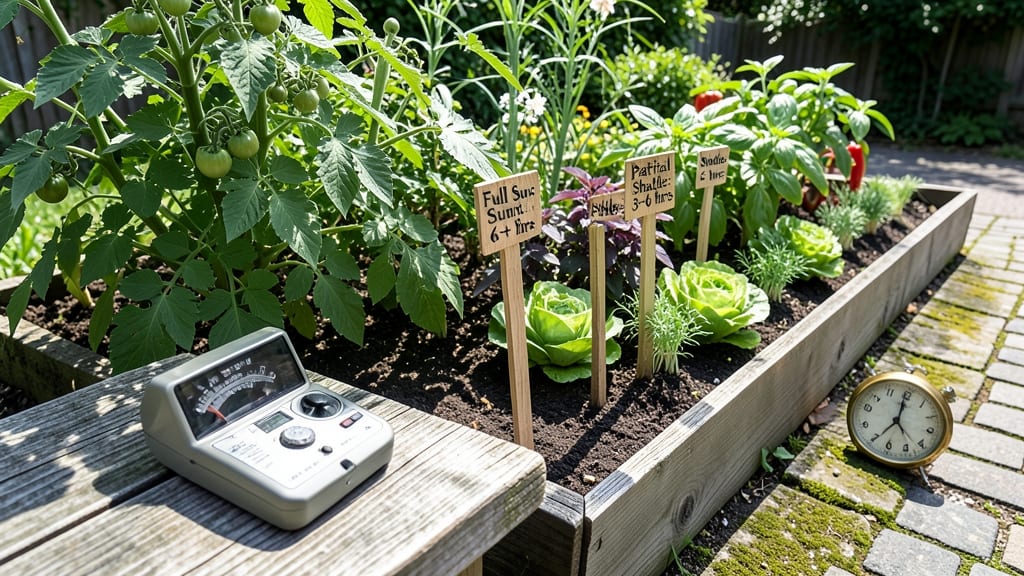
A vegetable garden needs 6 to 8 hours of sunlight daily to thrive, though some crops tolerate less—this is the golden rule that separates a bountiful harvest from a sad, stunted disappointment.
Picture this: you’ve spent weeks preparing your soil, carefully planting seeds, and even watering just right—only to watch your tomatoes turn bitter or your lettuce bolt into seed before you can pick it.
The culprit? Too little (or too much) sunlight, and most gardeners get it wrong without even realizing it.
Not all vegetables are created equal when it comes to sun. Leafy greens like spinach and kale might do fine with 4 to 6 hours, while heavy producers like peppers and cucumbers demand the full 8+ hours to set fruit.
Even a 1-hour difference can mean the difference between a thriving plant and one that struggles to survive.
In this guide, I’ll break down the exact sunlight needs for your favorite crops, how to measure sunlight in your garden, and simple tweaks to maximize growth—no guesswork, just a harvest you can actually enjoy.


Sunlight requirements for vegetable gardens: crop-specific hours to maximize growth
Sunlight is the lifeblood of your vegetable garden—without enough, your plants will struggle to grow, produce poor yields, or even die. But here's the catch: not all vegetables need the same amount of light. Tomatoes and peppers thrive in full sun, while leafy greens like lettuce tolerate partial shade.
Understanding these differences is key to planning a productive garden layout.
Most gardeners assume "full sun" means any sunny spot, but 6-8 hours of direct sunlight is the gold standard for many high-yield crops. Partial shade (3-6 hours of sun) works for some vegetables, especially in hot climates.
The trick is matching your plants to their ideal light conditions to avoid stunted growth or bolting (when plants flower prematurely).
🌱 Pro Tip: Use a sunlight map of your garden to track light exposure throughout the day. Most areas receive more sun in summer than winter, so adjust your planting schedule accordingly.
| Vegetable | Sunlight Needs | Ideal Hours/Day | Notes |
|---|---|---|---|
| Tomatoes | Full Sun | 8+ hours | Needs consistent sun; less than 6 hours reduces fruit production. |
| Peppers | Full Sun | 6-8 hours | Tolerates partial shade in hot climates but yields better with full sun. |
| Cucumbers | Full Sun | 6-8 hours | Vines need support; morning sun prevents overheating. |
| Lettuce | Partial Shade | 3-6 hours | Bolts in hot sun; shade cloth helps in summer. |
| Spinach | Partial Shade | 3-5 hours | Grows best in cool weather; avoid midday sun. |
| Carrots | Full Sun to Partial Shade | 4-6 hours | Tolerates shade but needs well-draining soil to prevent rot. |
| Green Beans | Full Sun | 6-8 hours | Bush beans tolerate partial shade better than pole beans. |
| Onions | Full Sun | 6+ hours | Needs consistent sun for bulb development; avoid overcrowding. |
If you're growing tomatoes or peppers, prioritize the sunniest spot in your garden—they’re the most demanding. These plants need 8+ hours of direct sunlight daily to produce fruit, and even slight shade can lead to fewer harvests.
I’ve seen my tomato plants struggle when placed under a tree, resulting in pale, tasteless fruit.
For leafy greens like spinach or lettuce, partial shade is ideal, especially in hot climates. These vegetables bolt (go to seed prematurely) when exposed to too much sun and heat.
In my garden, I use shade cloth during peak summer months to protect these delicate crops and extend their harvest time.
Don’t overlook seasonal changes—what’s full sun in summer might be partial shade in winter. For example,
How to measure and adjust sunlight in your garden for better yields
Measuring sunlight in your garden isn't just about guessing—it's about precision. Most vegetable gardens thrive with 6 to 8 hours of direct sunlight daily, but some crops like tomatoes and peppers need even more.
Start by observing your garden at different times of day, especially during the peak sunlight hours (10 AM to 4 PM). Shadows shift, so what seems like full sun in the morning might turn into partial shade by afternoon.
Use a simple tool like a sunlight meter or even a DIY method with a white board to track how many hours each spot gets direct rays. Place the board in your garden bed and mark the shadows every hour.
This helps you map your garden's microclimates, where sunlight can vary dramatically even in small spaces. Microclimates are created by fences, buildings, or even large plants casting shadows.
⚠️ Sunlight Warning: Most Vegetable Gardens Need More Than You Think!
6+ hours of sun is the minimum for most vegetables, but 8+ hours is ideal for high-yield crops like tomatoes, peppers, and cucumbers. Leafy greens can tolerate 4-6 hours, but they'll grow slower and produce less. Overestimating sunlight (e.g., thinking a spot gets full sun when it's actually partial shade) is a common mistake that leads to stunted plants and poor yields.
Adjusting your garden layout is easier than you think. If your tomatoes or peppers aren't thriving, they might need to move to a sunnier spot. Rotate containers or relocate plants to follow the sun's path.
For example, morning sun might work for lettuce or spinach, but afternoon shade could stress them. Use reflective surfaces, like white gravel or light-colored mulch, to bounce extra sunlight onto shaded areas.
Seasonal changes also affect sunlight exposure. In spring and fall, the sun is lower in the sky, casting longer shadows. What was full sun in summer might turn into partial shade in winter.
Plan ahead by planting winter-hardy crops like kale or carrots in spots that get morning sun but afternoon shade. Conversely, summer crops like beans or squash should go in the sunniest areas of your garden.
Don't forget about vertical gardening to maximize sunlight. Trellises for cucumbers or pole beans can help plants reach higher sunlight levels, especially in tight spaces. Even a simple cattle panel trellis can transform a shady corner into a productive growing area.
Just ensure the trellis doesn't block sunlight from other plants below it.
If your garden has persistent shade issues, consider shade-tolerant varieties or container gardening on a sunny patio or balcony. Some lettuce varieties, like 'Black Seeded Simpson,' or spinach can thrive with just 3-4 hours of sun.
For containers, choose lightweight pots that you can move throughout the day to follow the sun's movement.
Finally, monitor your plants for signs of sun stress, like yellowing leaves or wilting, which can indicate too much sun. Conversely, leggy growth or pale leaves signal insufficient light.
Adjust gradually—plants need time to adapt to new light conditions. With these tips, you'll turn your garden into a high-yielding sun sanctuary.