
Tools
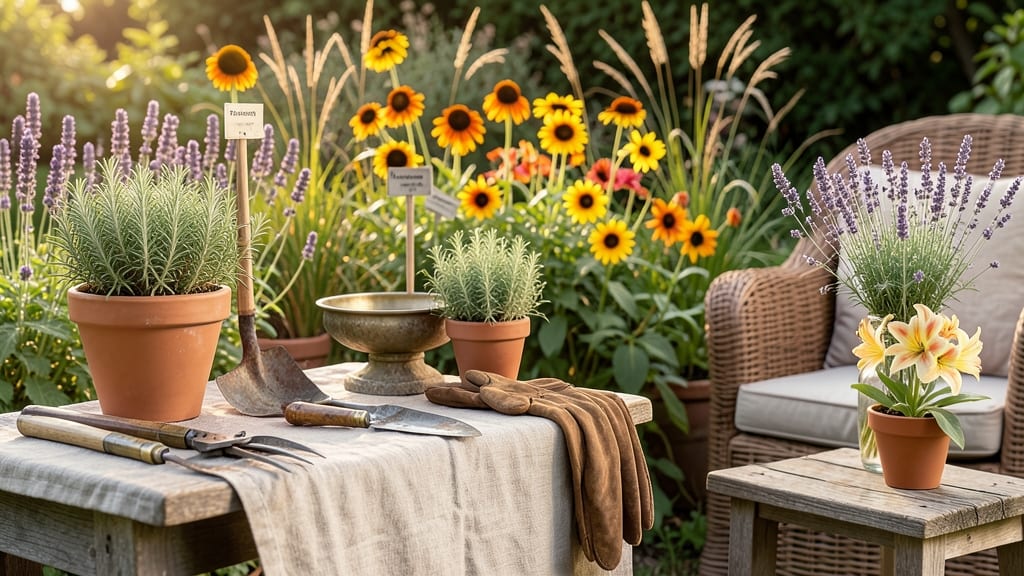
Home and garden shows provide creative DIY inspiration for plant care, landscaping, and seasonal gardening projects, blending expert advice with hands-on demonstrations to revamp outdoor spaces efficiently. Popular episodes showcase stunning before-and-after transformations, seasonal planting strategies, and affordable solutions tailored to all skill levels.
These shows aren't just about pretty pictures—they're practical guides for turning outdoor spaces into functional, beautiful retreats. 🌿 Many episodes break down complex tasks like pruning or soil prep into simple steps, making them perfect for beginners.
I've seen firsthand how watching a single episode can spark a complete yard overhaul, from container gardening to full landscape redesigns. The best part? You get to see real results in just a few hours, proving that even small changes make a big impact.
What sets these shows apart is their focus on sustainability—many feature native plants, water-saving techniques, and upcycling materials to minimize waste. Whether you're dealing with shade gardens or sunny patios, there's always a segment that matches your specific needs.
Plus, the before-and-after comparisons make it easy to visualize your own projects with confidence.
💡 In This Article
- How Expert Gardeners Transform Outdoor Spaces on TV
- Best Home and Garden Shows for Plant Enthusiasts
How expert gardeners transform outdoor spaces on TV
Top home and garden shows use a combination of hardscaping (structural elements) and softscaping (plants) to create visual impact. Experts often start with a color analysis of the existing space—measuring light exposure (full sun, partial shade, or full shade) to determine which plants will thrive.
For example, a show might use drought-tolerant succulents in sunny areas while incorporating hostas or ferns in shaded corners, both of which require minimal watering once established. This strategic plant placement ensures year-round interest and reduces maintenance. 🌿
The magic happens in the layering technique, where plants are arranged by height—tall trees or shrubs at the back, medium-height bushes in the middle, and low-growing perennials or ground covers in front.
Shows like Gardeners’ World often demonstrate this with before-and-after timelapses, revealing how a cluttered yard can become a structured, flowing landscape in just a weekend. They also emphasize edible landscaping, integrating herbs like rosemary or thyme into borders, which adds both beauty and functionality.
The key is balancing textures—pairing smooth leaves (like hostas) with spiky foliage (like ornamental grasses) for visual contrast.
Time-saving hacks are another hallmark of these shows. Experts frequently use mulching (applying a 2-3 inch layer of organic material like wood chips) to suppress weeds and retain moisture, cutting down on weekly upkeep.
They also recommend container gardening for small spaces, where you can rotate plants seasonally—swapping out winter pansies for summer petunias in the same pots.
Climate-specific solutions are critical too: In arid regions, shows might suggest xeriscaping (landscaping with drought-resistant plants), while in humid climates, they focus on airflow to prevent fungal diseases. These adaptations ensure the designs work year-round, regardless of location. ✨
Lighting plays a surprisingly big role in transformations. Gardeners often install solar-powered path lights or string lights to highlight focal points after dark, extending the usability of outdoor spaces. Shows like Fixer Upper demonstrate how strategic lighting can turn a dull patio into a cozy evening retreat.
Another trick is using reflective surfaces—like polished stone or water features—to make small yards feel larger. Even something as simple as a mirror or glass panel placed strategically can create the illusion of depth, a technique borrowed from interior design but rarely applied to outdoor spaces. 💡
Don’t overlook the power of seasonal swaps. Expert gardeners on these shows teach viewers how to refresh their landscapes with minimal effort—replacing spring bulbs with summer annuals, then swapping those for fall mums or winter holly. This approach keeps your garden looking vibrant without requiring constant replanting.
For instance, a show might suggest planting caladiums (elephant ears) in spring for bold foliage, then transitioning to chrysanthemums in fall for color as temperatures drop. The goal is to maintain visual appeal with low-maintenance, high-impact solutions. 🌸
Finally, the shows emphasize sustainable materials—using reclaimed wood for raised beds, recycled plastic lumber for decking, or permeable pavers that allow rainwater to seep into the ground. These choices not only reduce waste but also create ecosystems that support local wildlife, like bees and butterflies.
For example, a show might demonstrate building a pollinator garden with native wildflowers, which requires zero pesticides and attracts beneficial insects. These small, eco-friendly upgrades often have the biggest long-term payoff for both the environment and the homeowner. 🌍