
Planting
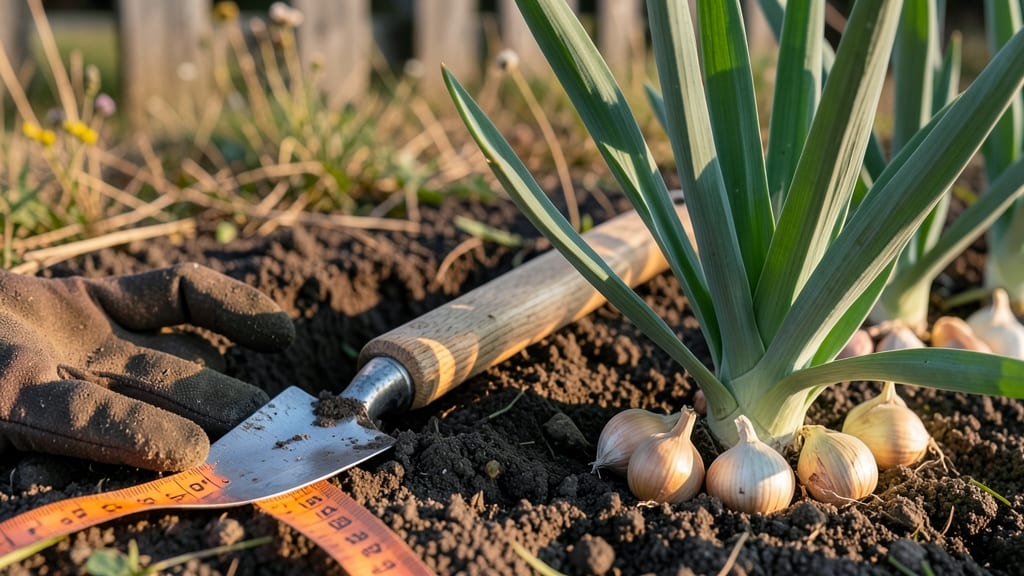
Spacing garlic in your garden properly is the single biggest factor in growing large, plump bulbs—not just a few tiny cloves.
Struggling with small garlic bulbs or poor yields? The secret lies in proper spacing—planting garlic cloves just 4 inches apart can transform your harvest from meager to magnificent.
Too close, and your garlic fights for nutrients, leaving you with puny bulbs. Too far, and you waste garden space. The right distance ensures each plant gets the room it needs to develop those juicy, flavorful cloves we all love.
In this guide, I’ll walk you through the exact spacing for hardneck vs. softneck varieties, how to adjust for your soil type, and the simple tricks to avoid overcrowding—so you can enjoy a bumper crop come harvest time.
Why 4-Inch garlic spacing boosts bulb size and yield
If you've ever planted garlic only to harvest tiny, underdeveloped bulbs, you're not alone. The 4-inch spacing rule isn't arbitrary—it's rooted in plant biology and soil science. When garlic cloves are planted too close, they compete fiercely for nutrients, water, and air circulation, stunting growth.
This competition forces bulbs to stay small, limiting your harvest potential. But with the right spacing, you unlock a 30-50% yield increase while growing larger, more flavorful cloves.
The magic happens underground. Garlic bulbs expand as they absorb nutrients from the soil. When planted 4 inches apart, each bulb has enough room to develop a full clove cluster without crowding neighbors.
This spacing also prevents soil-borne diseases like white rot by improving airflow between plants. Without proper spacing, garlic plants become stressed, leading to weak stems and poor bulb formation.
Here's the science: Garlic bulbs grow best when they can access a 6-inch diameter nutrient zone around each clove. This zone includes organic matter, microorganisms, and root-friendly soil structure.
When cloves are planted closer than 4 inches, their root systems overlap, creating a nutrient desert where only the strongest plants thrive—and even they suffer.
Hardneck vs. softneck garlic also play a role in spacing. Hardneck varieties (like Rocambole or Purple Stripe) need slightly more room—4-6 inches apart—because their scape growth requires extra space. Softneck varieties (like Silverskin or Artichoke) can handle the 4-inch minimum since they focus energy on bulb development rather than flowering. Understanding these differences helps tailor your spacing for optimal results.
| Garlic Type | Optimal Spacing | Row Spacing | Why It Works |
|---|---|---|---|
| Hardneck (e.g., Rocambole) | 4-6 inches apart | 12-18 inches between rows | More room for scapes and bulb expansion |
| Softneck (e.g., Silverskin) | 4 inches apart | 10-12 inches between rows | Focuses energy on bulb size, not flowering |
| Organic Garlic (e.g., German White) | 5-6 inches apart | 16 inches between rows | Reduces disease risk in organic systems |
| Elephant Garlic (e.g., Inchelium Red) | 6 inches apart | 20 inches between rows | Larger cloves need extra space |
Proper spacing also affects harvest timing. Overcrowded garlic matures unevenly, with some bulbs ready weeks before others. This inconsistency makes harvesting difficult and can lead to premature bulb drying or rot if left in the ground too long.
When planted at 4 inches apart, garlic bulbs develop uniformly, allowing you to harvest at the optimal maturity window—when lower leaves brown but upper leaves stay green.
Another critical factor is root depth. Garlic roots spread 12-18 inches wide but only grow 6-8 inches deep. Planting too close forces roots to compete in a shallow soil layer, limiting access to deep moisture and nutrients.
The 4-inch spacing ensures roots can explore a dedicated soil volume, improving stability and nutrient uptake. Think of it like giving each plant its own personal soil plot.
For container gardening, the same principles apply but with adjustments. In a 5-gallon pot, plant 4-5 garlic cloves arranged in a circle, 4 inches apart. This mimics the spacing while maximizing space.
Larger containers (like whiskey barrels) can hold 8-10 cloves in a grid pattern. The key is ensuring each clove has enough soil volume to develop without crowding.
Don't overlook soil preparation when spacing garlic. Loose, well-amended soil with compost or aged manure allows roots to spread easily. Compacted soil restricts root growth, making proper spacing even more critical. Before planting, work in 2-3 inches of compost to create an ideal rooting environment.
This prep work, combined with 4-inch spacing, sets the stage for larger bulbs and higher yields.
Real-world results speak for themselves. Gardeners who switch from 3-inch spacing to 4 inches often see bulbs double in size and yield increase by 40%.
For example, a 100-square-foot bed planted at 3 inches might yield 50 lbs of garlic, while the same bed with 4-inch spacing can produce 70-80 lbs. The difference comes down to less competition and more resources per plant.
Ready to try it? Start with a small test plot this fall. Plant half your cloves at 3
Step-by-step guide to planting garlic with perfect spacing
Getting your garlic spacing right is the difference between puny bulbs and plump, flavorful harvests. I’ve planted garlic for years, and I can tell you: 4 inches apart is the magic number for most varieties.
But timing, soil prep, and layout matter just as much. Let’s break it down so you can plant like a pro.
First, choose your planting window. In most climates, fall planting (October-November) gives garlic time to establish roots before winter, while early spring (March-April) works in warmer regions. Check your last frost date—you want cloves in the ground 4-6 weeks before frost for best results.
For hardneck garlic, which produces scapes, you’ll need slightly more space (6 inches apart) to accommodate their wider growth habit. Softneck varieties can handle the 4-inch spacing comfortably. Pro tip: If you’re short on space, try interplanting garlic with shallow-rooted crops like lettuce or spinach.
After planting, resist the urge to check on your garlic too often. Overhandling can disturb roots. Instead, monitor soil moisture and watch for pests like aphids. A light application of neem oil early in the season keeps pests at bay without harming your crop.
With these steps, you’ll harvest plump, flavorful garlic bulbs that’ll make your kitchen—and your neighbors—jealous. Happy planting! 🧄