
Vegetables
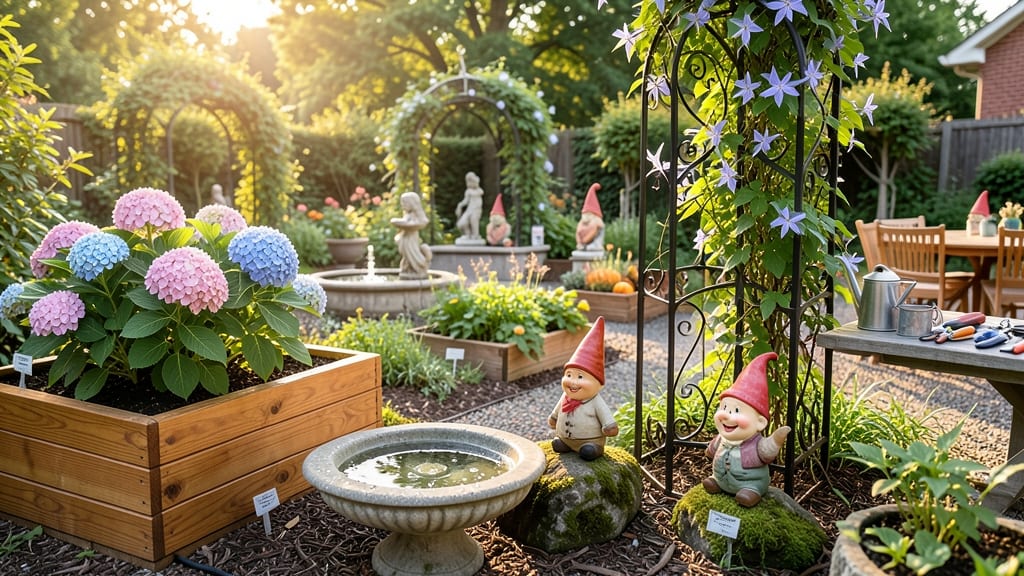
The Gardens World Show in 2024 highlights groundbreaking sustainable gardening innovations, rare botanical displays, and expert-led workshops that merge classic horticulture with futuristic eco-techniques for today’s gardeners.
The Gardens World Show isn’t just another gardening expo—it’s a playground for eco-conscious enthusiasts where you’ll discover vertical farming systems that fit small spaces and self-watering planters designed to cut your maintenance time in half. 🌱 The show’s rare plant exhibits often feature heirloom varieties and climate-resilient species that thrive with minimal water, making them perfect for drought-prone regions.
Plus, the hands-on workshops cover everything from composting techniques to building your own hydroponic setups, giving you actionable skills to transform your garden into a self-sustaining ecosystem.
What sets this year apart is the focus on smart technology—think soil sensors that monitor moisture levels in real-time or AI-powered apps that help you identify plants just by snapping a photo.
These innovations aren’t just for pros; many are scaled down for home gardeners looking to grow more with less effort. Whether you’re a seasoned green thumb or a curious beginner, the show’s blend of education and cutting-edge tools makes it a must-visit for anyone passionate about the future of gardening.
💡 In This Article
- 2024 Gardens World Show Innovations in Eco-Friendly Gardening
- Must-See Gardens World Show Exhibits and Networking Tips
2024 Gardens world show innovations in eco-friendly gardening
The Gardens World Show 2024 is showcasing vertical farming systems that pack the productivity of commercial greenhouses into your living room. These setups use LED grow lights tuned to specific wavelengths (like 400-500nm for blue light and 600-700nm for red light) to maximize photosynthesis in compact spaces.
For example, the GrowHaus Mini demo booth features a 4-square-foot system capable of producing 20 pounds of greens per month—equivalent to a traditional garden 10 times larger.
The real magic happens with hydroponic nutrient solutions that deliver 90% less water than soil gardening while boosting growth rates by 25-40%.
Drought-resistant plant hybrids are another star attraction, where breeders have developed varieties like xeriscaping succulents that thrive on 50% less water than traditional plants. Take the Echeveria 'Lola', a hybrid that stores moisture in its leaves like a built-in reservoir, reducing evaporation by 70% compared to conventional annuals.
The show’s smart irrigation tech takes this further with soil moisture sensors that trigger watering only when levels drop below 30% capacity, cutting outdoor water use by up to 40%.
These systems use low-voltage solenoids to deliver precise bursts of water, preventing runoff that wastes 30-50% of traditional irrigation.
What makes these innovations accessible is their adaptability to home gardens. The Miracle-Gro AeroGarden demo, for instance, includes a self-cleaning water pump that recirculates nutrient-rich water every 15 minutes, eliminating the need for manual maintenance.
This reduces labor by 80% while ensuring roots receive consistent oxygen—critical for preventing root rot. For those skeptical about tech, the show’s organic hydroponics section proves you can skip synthetic fertilizers entirely by using compost tea and fish emulsion as nutrient sources, achieving yields just 10% lower than conventional hydroponics.
Climate resilience is the underlying theme, with exhibits demonstrating how these tools address specific regional challenges. In arid climates, the focus is on mulching systems that retain 60% more soil moisture by reflecting sunlight away from the ground.
Meanwhile, in urban areas, aeroponic towers (like the Infarm Farming Box) grow 30% faster than soil-based methods by misting roots with a nutrient solution every 2-3 seconds, maximizing oxygen exposure.
The science here is straightforward: plants stressed by drought or heat produce less chlorophyll, reducing photosynthesis by 20-30%, but these innovations counteract that with precision.
Don’t overlook the mycorrhizal fungi displays, where exhibitors show how inoculating soil with these beneficial fungi can increase water absorption by 40% while boosting nutrient uptake.
This ancient technique, now backed by modern research, explains why some 100-year-old olive trees in Mediterranean regions survive on just 6 inches of rain per year. The takeaway? These innovations aren’t just futuristic—they’re rooted in centuries-old ecological principles, reimagined for today’s climate challenges.
For hands-on learners, the DIY hydroponics workshop lets you build a 5-gallon bucket system for under $50, complete with a 120-gallon-per-hour water pump and pH test strips to maintain levels between 5.5-6.5.
The instructors emphasize that even small setups can produce 1-2 pounds of herbs per week, proving that sustainability starts with square footage, not budget.