
Pests
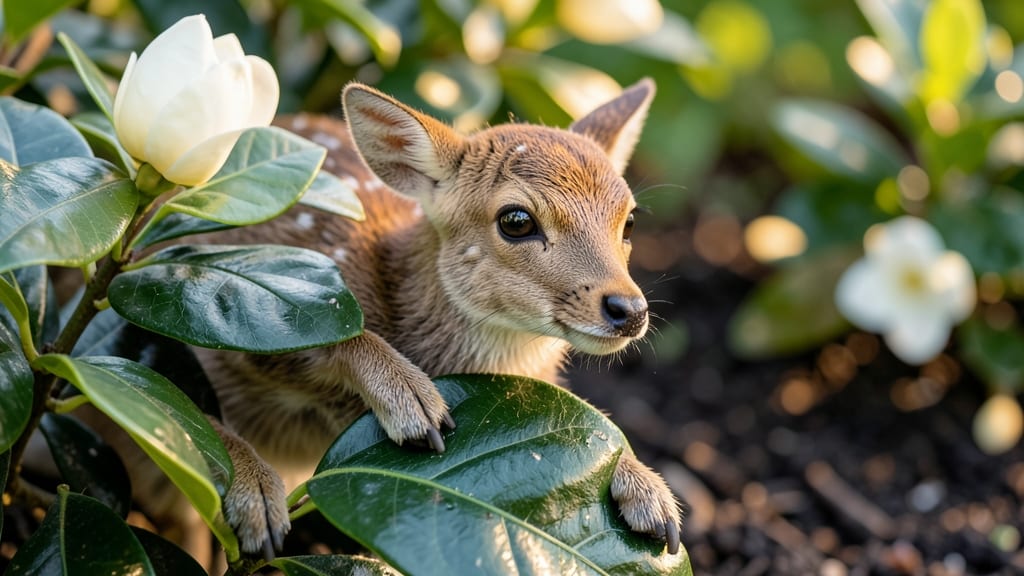
Gardenias typically deter deer because their intense fragrance and tough foliage make them unappealing. While deer usually avoid mature plants, severe drought or overpopulation can still prompt them to nibble, particularly on tender growth. Strategic companion planting with deer-resistant species offers added protection.
Deer have an incredible sense of smell, and gardenias' powerful floral scent acts as a natural repellent. 🌸 The thick, leathery leaves also lack the tender texture deer prefer, making them less appealing than common garden favorites like hostas or roses.
However, during harsh winters or when food is scarce, even the hardiest plants can become targets—especially young shoots and blooms. I've seen gardeners in deer-heavy areas use a combination of physical barriers and companion plants like boxwoods or lavender to create a protective buffer around their gardenias.
For maximum protection, consider installing a temporary fence around new plantings or using deer-resistant mulch. 🌿 The key is reducing accessibility while maintaining the gardenia's natural defenses. Even in high-risk areas, these strategies can significantly improve survival rates for your prized shrubs.
💡 In This Article
- Why Deer Avoid Gardenias: Natural Deterrents Explained
- Protecting Gardenias from Deer: Practical Prevention Tips
Why deer avoid gardenias: natural deterrents explained
Gardenias produce volatile organic compounds (VOCs) in their leaves and flowers that create their signature sweet, heavy fragrance—up to 100 times stronger than roses.
These compounds, including linalool and geraniol, are chemically similar to essential oils that deer instinctively avoid. 🌸 Unlike hostas (which deer find tender and nutritious), gardenia leaves are thick and leathery with a waxy coating that lacks the high-water content deer prefer.
The leaf structure contains sclerophyllous cells that make chewing difficult, creating a physical deterrent.
The scent intensity plays a critical role—studies show deer can detect gardenia fragrances from 50-100 feet away, triggering their avoidance response.
This explains why mature gardenias (with more foliage) are more resistant than young plants. 🌿 In comparison, roses contain less than 10% of the VOC concentration found in gardenias, making them a more common deer target.
The combination of scent and texture creates a "double deterrent" that most deer find overwhelming, unless desperate.
Seasonal variations matter too. During spring blooming, the highest VOC production occurs, creating an even stronger repellent effect.
However, after flowering, when leaves become more tender, deer may sample them—especially if other food sources are scarce. 🌱 The key is understanding that gardenias' natural defenses are strongest when plants are healthy and actively growing. This explains why drought-stressed plants (with reduced fragrance) become more vulnerable.
Deer also avoid gardenias because they lack the nitrogen-rich compounds found in deer favorites like clover or alfalfa. Gardenias contain only about 1% nitrogen in their leaves compared to 3-5% in preferred deer foods, making them nutritionally unappealing.
This nutritional mismatch, combined with their strong scent, creates a powerful natural deterrent system that works year-round—unless environmental stressors override these instincts.
For gardeners in deer-heavy areas, this botanical knowledge explains why mature gardenias often survive while nearby hostas get decimated.
The thick cuticle layer on gardenia leaves (up to 0.05mm thick) acts as a physical barrier that deer find difficult to penetrate. 🌿 This structural defense, combined with their scent, creates a "two-pronged" protection system that most deer will avoid—unless forced by extreme conditions.
The science behind this resistance lies in deer's evolutionary foraging patterns.
Deer have developed a preference for plants with high moisture content and low fiber, which gardenias don't provide. 💫 Their avoidance isn't just about taste—it's about the plant's entire sensory profile that signals "not worth the effort" to browsing animals.