
Pruning
As a gardener working with trees, your pruning choices center on nurturing natural beauty and health rather than just productivity. You’ll focus on organic methods, seasonal timing, and ecosystem balance—prioritizing long-term vitality over quick fixes or commercial efficiency.
A gardener’s approach to tree care differs from professional arborists because it emphasizes the tree’s natural rhythms. 🌿 Instead of aggressive cuts to boost growth or profits, you’ll make strategic trims that encourage healthy branching and reduce stress on the tree.
This means working with the tree’s seasonal cycles—like pruning fruit trees after harvest to avoid disrupting flowering—or using natural wound treatments to speed up healing. The goal isn’t just a well-shaped tree but one that thrives for decades.
For example, when pruning an apple tree, you’ll remove dead wood in late winter (dormant season) to prevent disease spread, while thinning out crowded branches in summer to improve airflow and fruit quality.
These small, thoughtful adjustments create a harmonious balance between aesthetics and functionality, ensuring your trees stay strong and productive without compromising their natural growth patterns.
💡 In This Article
- How Gardener Pruning Prioritizes Tree Health Over Commercial Goals
- Essential Tools and Techniques for Home Tree Pruning
How gardener pruning prioritizes tree health over commercial goals
Gardener pruning differs fundamentally from commercial practices because it treats trees as living organisms rather than crops or commodities. The core principle is minimizing stress—every cut should promote healing rather than create wounds.
For example, when you remove a branch, you’re not just shaping the tree but also influencing its vascular system. A poorly timed or improperly executed cut can disrupt the flow of nutrients and water, leaving the tree vulnerable to disease or pests.
This is why gardeners avoid heading cuts (cutting back to a bud or lateral branch), which can stimulate dense, weak growth and increase susceptibility to storms.
The seasonal timing of pruning is another critical distinction. Commercial operations often prioritize speed and may prune at any time for convenience, but gardeners follow the tree’s natural rhythms. Pruning during dormant season (late fall to early spring) allows the tree to heal faster because it’s not actively growing.
In contrast, summer pruning is reserved for shaping evergreens or removing water sprouts, as the tree’s natural defenses are more active. For fruit trees, timing matters even more—pruning too early can remove next year’s flower buds, while waiting too long may spread fungal diseases through open wounds. 🌱
Organic healing methods set gardeners apart from commercial arborists who might use sealants or paints to cover wounds. While these products can reduce water loss in some cases, they create a barrier that prevents natural callusing—the tree’s own healing process.
Instead, gardeners focus on making clean cuts at the branch collar (the swollen area where the branch meets the trunk) and avoiding tearing the bark. This approach allows the tree to seal wounds naturally, forming a protective layer over time.
For instance, when pruning a maple tree, you’ll see how the tree’s sap flows from the cut—this natural response is part of its defense mechanism, and interfering with it can weaken the tree.
Another key difference is the balance between aesthetics and function. Commercial pruning often emphasizes uniformity or maximum yield, while gardeners consider the tree’s natural form and how it interacts with its environment.
For example, when pruning a shade tree, you might leave some lower branches to maintain canopy density, even if it means slightly reducing light penetration. This decision supports the tree’s long-term health and provides better shade for your garden.
The goal isn’t just a visually pleasing tree but one that thrives in its specific location, contributing to the overall ecosystem rather than just serving a utilitarian purpose.
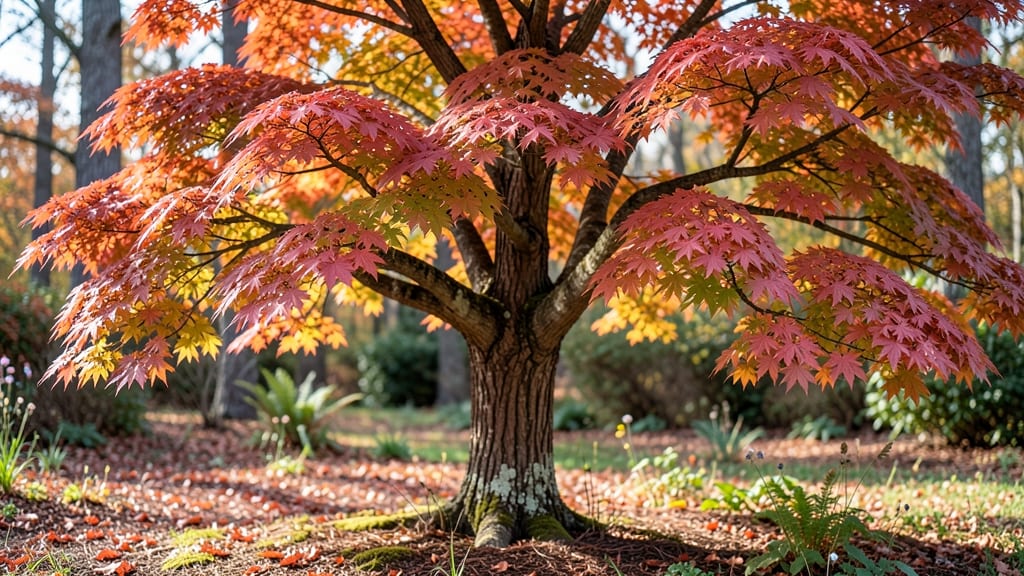
Consider the case of a Japanese maple in your garden. A commercial approach might involve aggressive pruning to maintain a compact shape, but as a gardener, you’d focus on preserving its delicate branches and vibrant foliage.
You’d remove only dead or crossing branches, using sharp tools to make precise cuts that encourage new growth in the right places. The result is a tree that ages gracefully, developing character over decades rather than being forced into a rigid form.
This patient, holistic approach ensures the tree remains healthy, beautiful, and integrated into your garden’s ecosystem for years to come. 🌿
Finally, gardeners prioritize long-term sustainability over short-term gains. While commercial operations might prioritize rapid growth or high yield, gardeners understand that a tree’s health is an investment in the future.
For example, when pruning a fruit tree, you might leave some smaller branches that won’t produce much fruit but help maintain the tree’s structure. This decision ensures the tree remains strong and productive for generations, rather than burning out after a few years.
By working with the tree’s natural growth patterns, you create a harmonious balance between care and nature, ensuring your trees—and your garden—thrive for decades. ✨