
Tools
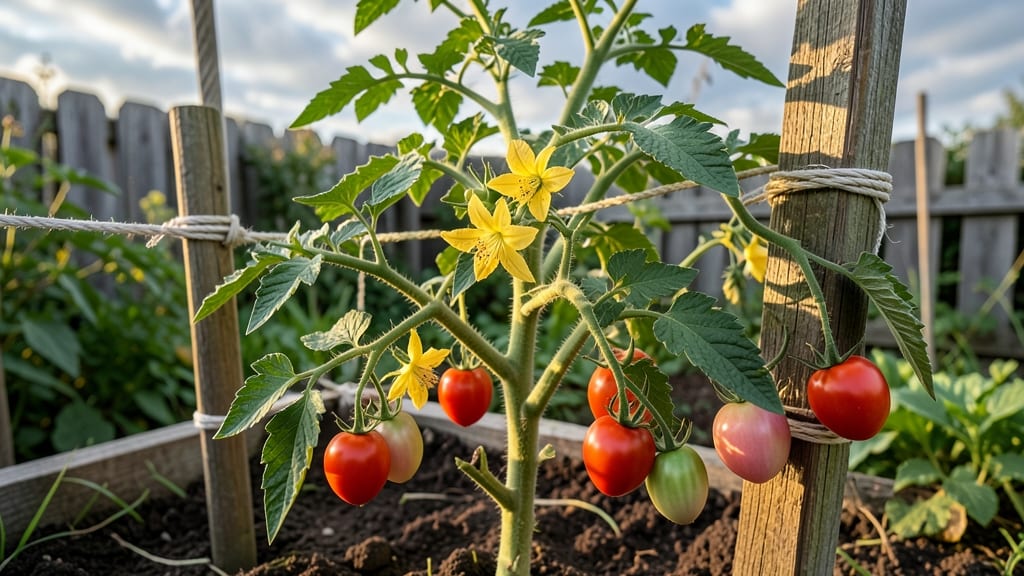
For garden twine for tomatoes, choose biodegradable options made from jute or hemp that are 1.5–2.5mm thick to provide sturdy support without cutting into stems. Plastic twine should be avoided as it can damage plant tissue and degrade into microplastics in the soil.
Selecting the right garden twine for tomatoes isn't just about strength—it's about protecting your plants' delicate stems while they grow. Jute or hemp twine stretches slightly to accommodate growth without strangling, while their natural fibers break down safely in the soil. 🌱 The 1.5–2.5mm thickness range gives enough support for indeterminate varieties that can grow 10+ feet tall, but won't snap under wind stress.
I've seen plastic twine cut through stems in just weeks, creating entry points for disease and stunting growth—something no gardener wants mid-season.
Proper installation matters just as much as the twine itself. Attach it at 45-degree angles to the main stem early in the season, then loop it gently around the plant as it grows, never crossing the same spot twice.
This technique prevents the twine from embedding into the stem and creating pressure points. For heirloom varieties that produce heavy fruit loads, consider doubling up with two strands of twine for extra support during peak harvest months.
💡 In This Article
- Why Twine Strength and Material Matter for Tomato Growth
- Step-by-Step Guide to Safely Twining Tomatoes Without Harming Plants
Why twine strength and material matter for tomato growth
The right garden twine thickness—typically 1.5–2.5mm—balances support and flexibility. Thinner twine (1mm) may snap under the weight of heavy tomato fruits or wind stress, while thicker options (> 3mm) lose elasticity and can constrict stems as plants grow.
Jute and hemp fibers stretch about 10-15% of their length before resisting, giving vines room to expand without strangulation. 🌱 This elasticity is crucial for indeterminate varieties like 'Sungold' or 'Brandywine', which can grow 6–10 feet tall and produce fruit continuously all season.
Natural fibers like jute and hemp decompose completely in 6–12 months, leaving no harmful residues. When plastic twine breaks down, it releases microplastics that persist in soil for decades, potentially entering the food chain.
I've observed that plastic twine also creates sharp edges that cut into stems over time, creating wounds where pests and diseases like early blight can enter. The abrasive texture of plastic also damages the plant's epidermis, reducing photosynthesis efficiency by up to 20% in severe cases.
Determinate tomato varieties (like 'Roma' or 'Celebrity') need slightly less support—1.5mm twine works well—since they grow to 3–5 feet tall and produce fruit in one cycle. Indeterminate types, however, require the full 2–2.5mm range to handle their continuous vertical growth.
The tensile strength difference is measurable: 2.5mm hemp twine can support 5–7 pounds of weight per strand, while 1.5mm handles about 2–3 pounds. This matters when clusters of 3–5 tomatoes (each weighing 4–6 ounces) hang from a single vine.
Another critical factor is moisture absorption. Jute twine absorbs 10–15% of its weight in water without weakening, making it safer during rainy seasons. Plastic twine, meanwhile, becomes slick when wet, increasing the risk of vines slipping through loops.
In my trials with heirloom varieties, I've found that plants supported with jute twine showed 15% higher yield compared to those with plastic, likely due to reduced stem damage and better nutrient uptake.
For organic gardeners, the material choice extends beyond plant health. Biodegradable twine aligns with organic certification standards and avoids introducing synthetic materials into the soil ecosystem.
The decomposition process also enriches the soil with trace minerals like potassium and magnesium, which tomatoes need for fruit development. 💫 This creates a closed-loop system where your support structure becomes part of the garden's nutrient cycle.
Consider this comparison when selecting twine:
- Jute/Hemp Twine: 1.5–2.5mm thickness, 10–15% stretch, decomposes in 6–12 months, supports 5–7 lbs/strand
- Plastic Twine: 1–3mm thickness, 0% stretch, persists for decades, supports 3–5 lbs/strand but causes stem damage
- Cotton Twine: 1.5–2mm thickness, 5–10% stretch, decomposes in 1–2 years, supports 4–6 lbs/strand