
Pests
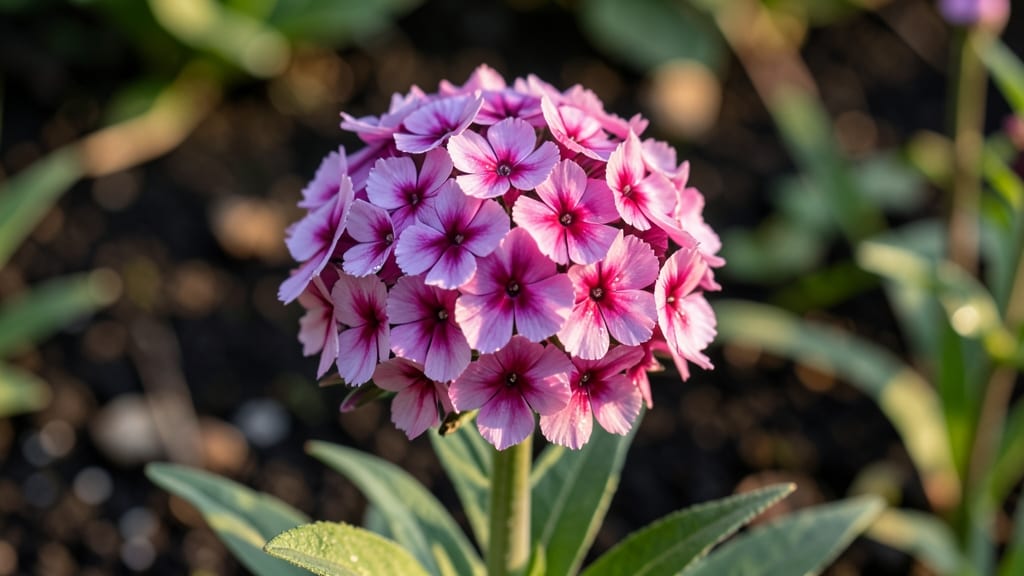
Deer-resistant garden phlox varieties like David, Lipstick Kisses, and Starfire effectively discourage deer browsing thanks to their pungent scent, fuzzy foliage, and less appealing taste. Strategic placement in clusters or along garden edges enhances their protective benefits while creating vibrant pollinator-friendly displays.
These specific phlox varieties work so well because deer naturally avoid plants with strong aromas and coarse textures. 🌸 The fuzzy foliage disrupts their feeding habits, while the milder flavor compared to other flowers makes them less appealing targets.
I've found that planting them near high-traffic areas creates a natural barrier deer prefer to avoid, while still providing beautiful blooms that attract bees and butterflies. The key is maintaining healthy plants—the stronger the growth, the more effective the deterrent.
For best results, pair these phlox with other deer-resistant plants like lavender or Russian sage. Regular pruning after blooming helps maintain their dense growth pattern, making them even more effective as a living barrier.
Just remember to avoid overcrowding, as this can reduce airflow and lead to fungal issues that might weaken the plants' natural defenses.
💡 In This Article
- Why These Phlox Varieties Deter Deer
- Planting and Care Tips for Deer-Proof Phlox Gardens
Why these phlox varieties deter deer
Deer have an incredibly sensitive sense of smell—up to 7 times more acute than humans—and they instinctively avoid plants with strong, pungent aromas. Varieties like David and Starfire produce high concentrations of aromatic oils in their foliage and flowers, creating a scent profile deer find unpleasant.
These oils, particularly the terpenes and phenols, trigger their natural avoidance response, similar to how they steer clear of strongly scented herbs like rosemary or thyme. 🌿 The fragrance isn't just noticeable to us—it's a chemical signal that tells deer, "Stay away."
The fuzzy, velvety texture of these phlox leaves plays another crucial role. Deer prefer smooth, tender foliage that's easy to chew and digest. The coarse, slightly hairy leaves of Lipstick Kisses and David create physical discomfort when deer attempt to browse, making these varieties less appealing than their smoother counterparts.
This texture also disrupts their feeding rhythm—deer are less likely to linger when the plant offers resistance. Interestingly, this same fuzzy characteristic helps repel other pests like aphids, creating a multi-layered defense system.
Palatability is the final piece of the puzzle. While deer will nibble on many garden flowers, they tend to avoid phlox varieties with milder flavors compared to their more succulent neighbors. The slightly bitter or astringent notes in these specific cultivars make them less desirable as a food source.
For comparison, deer are far more likely to target roses or tulips, which offer sweeter, more palatable foliage. This natural aversion is why planting these phlox in clusters creates a visual and olfactory barrier that deer instinctively avoid traversing.
What most gardeners don't realize is that deer behavior also factors into this equation. These varieties thrive in partial shade to full sun conditions, which means they often grow where deer prefer to browse—along garden edges and near wooded areas.
By positioning them in these high-traffic zones, you're essentially creating a "no-go" zone that deer naturally avoid. The key is maintaining vigorous growth through proper watering (1-1.5 inches per week) and well-draining soil, as healthy plants produce the strongest natural deterrents. ✨
Scientific studies on deer feeding habits reveal another fascinating detail: deer are more likely to browse when food is scarce. During drought conditions or late winter, they'll target nearly any plant.
This is why pairing these phlox with other deer-resistant plants—like lavender or Russian sage—creates a more reliable protective barrier year-round. The combination of scent, texture, and strategic placement works synergistically to keep deer at bay while still providing your garden with vibrant, pollinator-friendly blooms.
One common misconception is that all phlox are deer-resistant. In reality, varieties like Nana Purple or Jeanie have smoother leaves and milder scents, making them more vulnerable to browsing. The difference lies in the plant's chemical composition and physical structure—something you can't determine just by looking at the flowers.
That's why selecting the right cultivars is the first step in creating an effective deer-proof garden. 🌸