
Tools
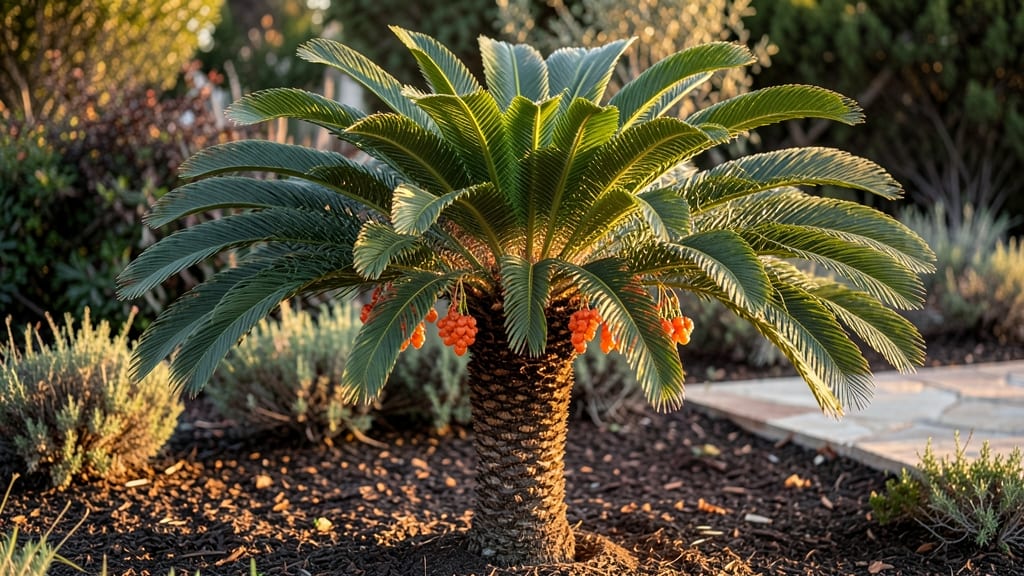
A famous garden in Canada you can't miss is Butchart Gardens in British Columbia, where Mediterranean-inspired terraces bloom year-round, alongside the Nottawasaga Pioneer Village’s heirloom gardens, preserving 19th-century botanical traditions. Both showcase Canada’s breathtaking floral diversity and seasonal charm.
Canada’s most celebrated gardens aren’t just about flowers—they’re living works of art. 🌸 Butchart Gardens, for example, transforms British Columbia’s coastal climate into a vibrant Mediterranean paradise, while the Nottawasaga Pioneer Village offers a hands-on glimpse into how early settlers cultivated heirloom plants.
What makes these gardens truly special is their blend of natural beauty and cultural storytelling, from Butchart’s iconic light displays to the Pioneer Village’s working farm demonstrations. Each season reveals a new masterpiece, whether it’s spring’s tulips or fall’s golden foliage.
The best part? These gardens aren’t just for show—they’re active conservation hubs. 🌿 Butchart Gardens, for instance, has restored over 55 acres of native habitat, while the Pioneer Village preserves rare plant varieties that might otherwise disappear.
Whether you’re a plant enthusiast or just love scenic escapes, these landscapes offer something unforgettable—like stepping into a postcard that’s always changing.
💡 In This Article
- Why Canada’s Top Gardens Stand Out: Design and History
- Best Times to Visit Canada’s Most Celebrated Gardens
Why Canada’s top gardens stand out: design and history
Canada’s most iconic gardens blend artistry with ecological science to create landscapes that feel both timeless and cutting-edge. Take Butchart Gardens in British Columbia, where the original 1904 design by Jennie Truscott transformed a limestone quarry into a 22-acre floral masterpiece.
The terraces were engineered with precise grading to handle Victoria’s rainy climate, using a Mediterranean-inspired palette of lavender, rosemary, and bougainvillea that thrives despite the Pacific Northwest’s cool summers.
This architectural feat involved importing 1,000 tons of soil and building a complex drainage system to prevent erosion—a solution still admired today for its sustainability.
The Royal Botanical Gardens in Ontario takes a different approach by focusing on native plant ecosystems.
Their 1,200-acre preserve includes rare Carolinian forests, where species like the trillium and wild ginger thrive in conditions similar to those found in the southeastern U.S. The gardens use a technique called "ecological restoration," where they reintroduce native plants to areas previously dominated by invasive species.
This method not only preserves biodiversity but also educates visitors about Canada’s fragile ecosystems. For example, their Cattail Marsh demonstrates how wetlands filter water naturally—a process that’s becoming increasingly critical in urban areas.
What makes these gardens truly special is their connection to Canadian history. The Nottawasaga Pioneer Village’s heirloom gardens are a living museum of 19th-century agriculture, featuring over 1,000 varieties of heritage seeds that were brought to Canada by early settlers.
Unlike modern commercial farms, these gardens prioritize biodiversity and adaptability, showcasing how pioneer families grew food in Canada’s challenging climate.
The village’s apple orchards, for instance, feature historic varieties like the McIntosh and Gravenstein, which were developed to withstand the region’s cold winters—a testament to the ingenuity of early Canadian horticulturists.
Each garden also plays a vital role in conservation. Butchart Gardens, for example, has restored 55 acres of native habitat, while the Royal Botanical Gardens serves as a research hub for climate-resilient plant species.
The Pioneer Village, meanwhile, partners with seed banks to preserve genetic diversity. This dual focus on beauty and preservation is what elevates these gardens beyond mere tourist attractions—they’re active participants in Canada’s environmental future. 🌿
Visitors often overlook the seasonal transformations that make these gardens unique.
Butchart’s Christmas Lights Festival, for instance, attracts 1 million visitors annually with millions of lights and ice sculptures, while the Royal Botanical Gardens’ fall foliage displays create a kaleidoscope of reds, oranges, and yellows that rival any New England autumn.
These seasonal changes aren’t just for show—they’re carefully curated to highlight the gardens’ botanical diversity and the rhythms of nature.
The architectural innovations behind these gardens are equally impressive. Butchart’s glass conservatories, for example, maintain tropical humidity levels year-round, allowing delicate plants like orchids to flourish in Victoria’s temperate climate.
Meanwhile, the Pioneer Village’s stone barns and fences replicate 19th-century construction techniques, offering a tangible connection to Canada’s agricultural past. These design choices ensure that each garden tells a story—whether it’s about human ingenuity, ecological balance, or cultural heritage.
What most people don’t realize is how these gardens adapt to modern challenges. Butchart Gardens, for instance, uses drip irrigation systems to conserve water, while the Royal Botanical Gardens implements pollinator-friendly planting schemes to support declining bee populations.
The Pioneer Village even offers workshops on heirloom seed saving, empowering visitors to become stewards of biodiversity. This blend of tradition and innovation is what keeps these gardens relevant—and worth visiting time and time again. ✨