
Tools
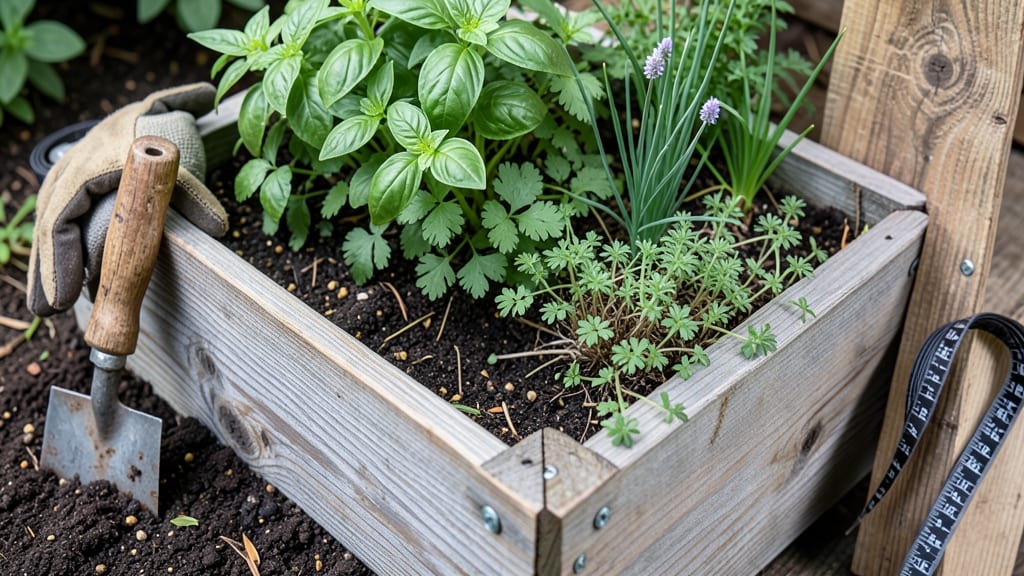
Creating your own do it yourself garden boxes lets you customize growing space affordably while improving soil quality and plant health. Build with cedar or untreated lumber for natural rot resistance, reinforce with landscape fabric, and blend compost, topsoil, and sand for nutrient-rich planting beds. Design dimensions to match your plants' growth patterns and sunlight access for best results.
Do it yourself garden boxes solve common gardening challenges like poor soil and limited space while giving you full control over what goes in your growing mix. 🌱 The right materials—like cedar or composite lumber—can last 10+ years with minimal maintenance, and the layered soil approach prevents compaction while encouraging root growth. I've found that pre-measuring your space and choosing plants with similar sunlight needs cuts down on transplanting later. For example, a 4'x8' box costs under $150 to build and fill, but yields enough herbs or greens to feed a family for months.
What sets these DIY garden boxes apart is their adaptability—whether you're growing vegetables in an urban balcony or expanding your backyard harvest, the same principles apply. The key is balancing cost with quality: skip pressure-treated wood (it can leach chemicals) and invest instead in durable framing and proper drainage.
Plus, the act of building them yourself makes the whole gardening process more rewarding from day one.
💡 In This Article
- Choosing Materials for Long-Lasting DIY Garden Boxes
- Step-by-Step Budget Breakdown for 5 DIY Garden Box Plans
Choosing materials for long-lasting DIY garden boxes
Cedar and redwood top the list for DIY garden boxes because their natural oils—like thujaplicin in cedar—act as a built-in preservative against rot and insects. Unlike pressure-treated lumber, which contains chemical preservatives that can leach into soil over time, these woods resist decay for 10-15 years without treatment.
The aromatic compounds also deter termites and fungi, making them ideal for raised beds where moisture retention is critical. For example, a 4x8-foot cedar box costs about $250-$350 for framing, while redwood runs slightly higher at $350-$450 due to its density and durability.
Composite lumber is another excellent option, blending wood fibers with recycled plastics to mimic natural wood while offering 20+ years of weather resistance. It won’t warp like traditional wood and requires no sealing, though the upfront cost—around $400-$600 for a 4x8-foot box—can be prohibitive for tight budgets.
The trade-off? No splinters, no chemical runoff, and a smoother finish that’s easier to clean. For structural integrity, pair any wood with galvanized screws (not nails) and ½-inch drainage holes spaced every 12 inches along the bottom to prevent waterlogging, which accelerates rot.
Untreated lumber is the most budget-friendly choice, typically costing 30-50% less than cedar or redwood, but it demands extra care—seal with a non-toxic wood preservative and replace every 3-5 years.
I’ve seen gardeners extend its lifespan by painting the underside with a breathable stain, which blocks moisture while allowing airflow. Avoid pressure-treated wood for edible gardens, as arsenic-based preservatives (common in older treatments) can contaminate soil and plants.
Instead, opt for newer ACQ-treated lumber, which uses copper-based chemicals that break down safely over time.
Don’t overlook the soil barrier: landscape fabric prevents weeds from infiltrating while allowing water and roots to pass through. A 30-pound test fabric costs about $15-$25 per roll and lasts 2-3 years before degrading.
For extra protection, layer it with cardboard or newspaper (free from recycling centers) to block invasive roots from neighboring plants. The fabric’s permeability is key—too dense, and you’ll suffocate roots; too porous, and weeds will still sneak through. Aim for a fabric with 0.5-1.0 mm openings for optimal balance.
Here’s a quick comparison of material lifespans and costs:
- Cedar: 10-15 years, $250-$350 (4x8 ft), naturally pest-resistant
- Redwood: 12-18 years, $350-$450 (4x8 ft), high density but pricier
- Composite: 20+ years, $400-$600 (4x8 ft), no maintenance
- Untreated Pine: 3-5 years, $100-$150 (4x8 ft), requires sealing
The right material choice hinges on your budget, climate, and how much upkeep you’re willing to handle. In humid regions, cedar or composite wins; in drier areas, untreated pine with a good seal can work for years. 🌿