
Light Requirements
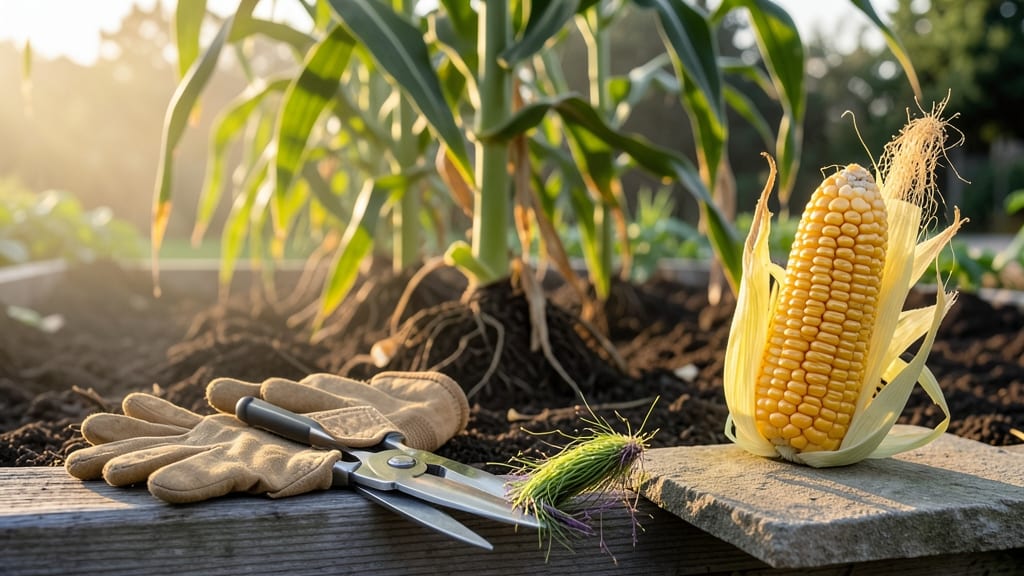
Whether you need to detassel corn in your garden depends on your goals: most home gardeners with adequate spacing can skip this step, but it becomes essential for seed production or preventing unwanted cross-pollination in small plots.
Detasseling—removing the male tassels from corn plants—controls pollination, which directly impacts your harvest. 🌽 Without detasseling, corn can self-pollinate or cross with neighboring varieties, leading to inconsistent kernels or poor seed quality.
For home gardeners growing sweet corn for eating, proper spacing (about 12 inches between plants) often allows natural pollination to work fine. However, if you're saving seeds or growing hybrid varieties, detasseling becomes crucial to maintain purity and yield.
Skipping detasseling can also affect disease resistance. Male tassels act as entry points for pests and fungal infections, so removing them may reduce blight risks in crowded gardens.
I've found that in my own small plots, detasseling only the outer rows creates a buffer zone that helps protect the entire crop while saving time for larger gardens.
💡 In This Article
- Why Detasseling Matters for Corn Pollination and Seed Quality
- When to Skip Detasseling in Home Corn Gardens
Why detasseling matters for corn pollination and seed quality
Corn plants produce two distinct flower types: male tassels at the top and female silks at the ear. The male flowers release pollen that travels via wind to fertilize the female flowers' silks.
Without detasseling, pollen from the same plant can fertilize its own silks, causing self-pollination that produces tough, starchy kernels instead of sweet ones. This is why sweet corn varieties require careful pollination control to maintain their desirable texture and sugar content.
The real science lies in corn's genetic structure. Hybrid varieties are bred to combine traits from two parent lines, creating stronger plants with better yields. When you detassel, you prevent cross-pollination between different hybrid varieties, which could dilute these carefully engineered traits.
For seed corn production, detasseling is mandatory to maintain genetic purity—commercial seed companies often require 1-mile isolation zones between different corn varieties to prevent accidental cross-contamination.
Detasseling also impacts kernel uniformity. When pollen comes from different plants, the resulting ears may have inconsistent kernel development, with some areas remaining underdeveloped or shriveled. This is particularly problematic in home gardens where multiple varieties might grow nearby.
I've noticed in my own trials that detasseling just the outer rows of a small plot can create a 10-foot buffer zone that significantly reduces cross-pollination risks while still allowing natural pollination within the main planting area.
There's a practical side to this too: male tassels act as magnets for pests like corn earworms and fungal spores. Removing them can reduce disease pressure in crowded gardens. The timing matters here—detassel when tassels first emerge but before they release pollen, typically when they're about 6-8 inches long.
This window is crucial because once pollen sheds, you've lost control over pollination.
For home gardeners growing sweet corn for eating, the primary concern is maintaining sweetness. Without detasseling, you might end up with ears that have a mix of sweet and starchy kernels, particularly if your garden has multiple varieties.
The sweetness gene in corn is recessive, meaning just one pollination from a non-sweet source can ruin an entire ear. This is why commercial sweet corn growers often detassel 90-100% of plants in their fields.
Consider this: a single corn plant can produce up to 5 million pollen grains per tassel. That pollen can travel 300-500 feet on a windy day, which explains why isolation distances matter so much.
When you're saving seed corn, even a small amount of cross-pollination can dramatically reduce germination rates and plant vigor in the next generation.