
Tools
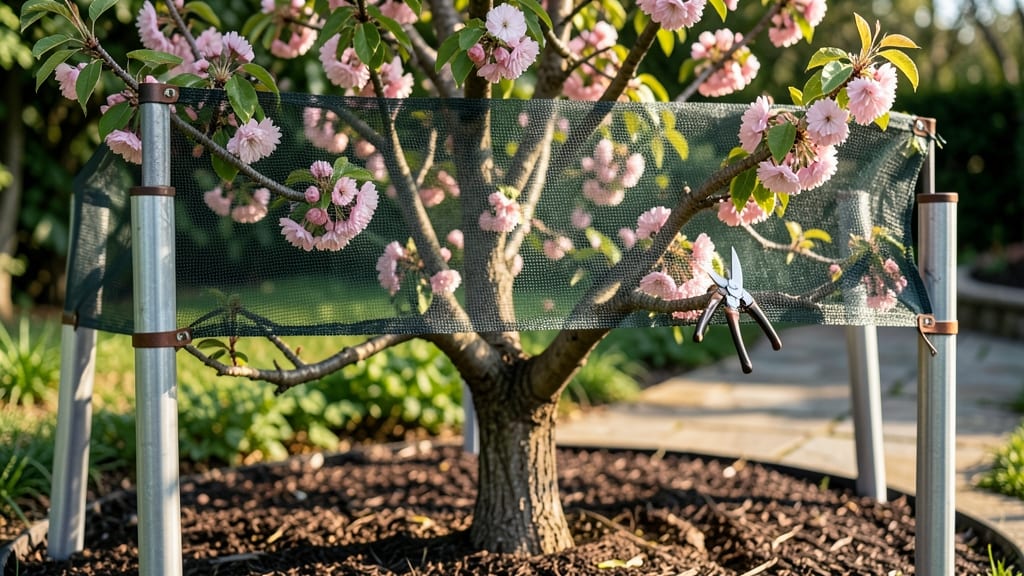
Clips for garden netting help secure mesh tightly to protect plants from pests and wildlife. The most effective options are plastic snap clips for lightweight netting, metal staples for heavy-duty materials, and heavy-duty zip ties for adjustable or temporary setups.
Choosing the right clips for garden netting depends on your setup—whether you're protecting delicate greens or securing a large vegetable patch. 🌱 Plastic snap clips grip elastic netting without damaging plants, while metal staples offer a permanent hold for sturdy materials like shade cloth.
Zip ties provide flexibility for adjusting coverage as plants grow. I always match the clip type to the netting's weight and my garden's specific needs, whether it's a small herb garden or a sprawling tomato bed.
For fine mesh netting, lightweight plastic clips prevent snagging while keeping pests out. Heavy-duty zip ties work well for temporary setups like trellises or seasonal protection. Metal staples are ideal when you need a long-term solution that won't loosen over time.
The key is balancing security with plant safety—some clips can damage stems if over-tightened.
💡 In This Article
- How Different Garden Netting Clips Work
- Choosing the Right Netting Clips for Your Garden Setup
How different garden netting clips work
Plastic snap clips operate using a simple yet effective elastic mechanism. These clips feature two arms that snap together around the netting, creating a tight grip through friction rather than penetration.
The material is typically made from durable polypropylene, which provides a 180-degree clamping force—enough to hold lightweight netting (like 0.6mm mesh) securely without crushing plant stems. The beauty of these clips lies in their reversible design, allowing you to adjust tension easily while protecting delicate foliage from snagging.
Metal staples work differently by physically anchoring into surfaces. They use a U-shaped design with sharp points that penetrate wood, plastic, or metal frames when hammered down.
The tension comes from the staple's legs spreading outward against the material beneath, creating a 200-300 psi holding force—ideal for heavy-duty netting or shade cloth. However, this method requires precise placement to avoid damaging plant stems or creating weak points in the netting where pests could enter.
Heavy-duty zip ties offer adjustable tension through their locking mechanism. Made from nylon or polyester, these ties tighten around the netting and frame using a ratcheting action, creating a secure hold that can be loosened if needed.
Their strength comes from the 10-20 pound breaking strength of standard ties, making them perfect for temporary setups or areas where plants might grow into the netting over time. The key advantage is their ability to accommodate changing conditions without requiring new hardware.
Each clip type addresses a specific need: plastic clips for flexibility and plant safety, metal staples for permanent strength, and zip ties for adaptability. The material of your netting also plays a role—fine mesh (0.4mm) needs gentler clips, while coarse mesh (2mm) can handle heavier-duty options.
For example, I've found that polyethylene netting (common for fruit trees) works best with zip ties, while shade cloth often requires metal staples for long-term stability.
The science behind these clips involves material science and physics. Plastic clips rely on elastic deformation to maintain grip, metal staples use mechanical interlocking, and zip ties employ frictional tension.
Understanding these mechanisms helps you choose the right tool for your garden's specific challenges—whether it's preventing birds from pecking at strawberries or keeping deer out of your vegetable patch. 🌿
For seasonal gardens, consider how each clip type affects long-term use. Plastic clips may degrade under UV exposure after 1-2 years, while metal staples can corrode if not galvanized.
Zip ties remain the most versatile for temporary setups but may leave marks on wood frames over time. Always match the clip's lifespan to your garden's protection needs.