
Container Gardens
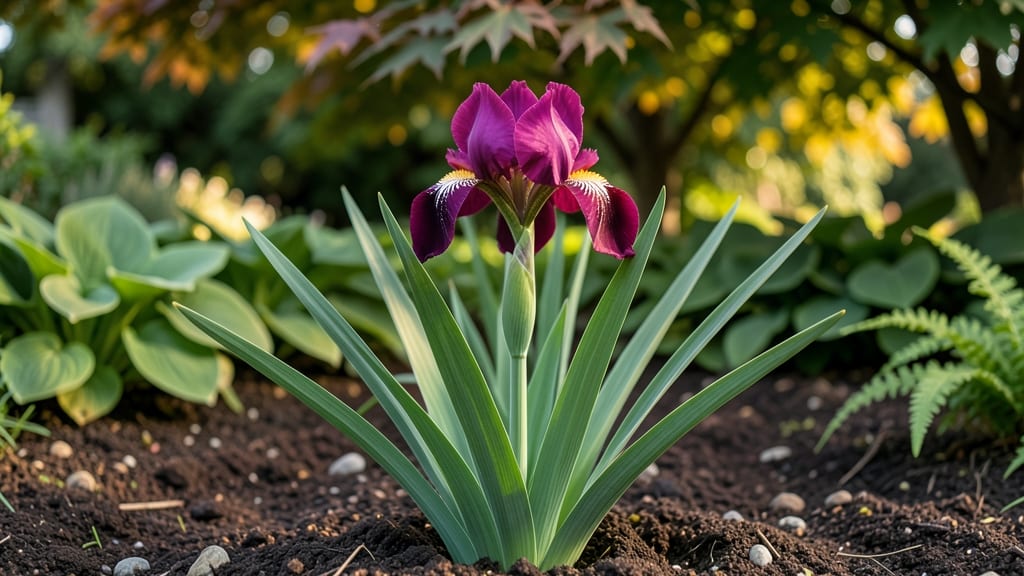
The botanical gardens in Portsmouth NH offer year-round plant displays featuring native New England species, seasonal blooms, and themed gardens like the Japanese Garden and children's discovery area. These gardens are open daily from dawn to dusk, with free admission and educational tours available.
The Portsmouth NH botanical gardens serve as a vibrant showcase of the region's diverse ecosystems. 🌿 These gardens are particularly renowned for their seasonal transformations—spring brings wildflower meadows, while summer highlights pollinator-friendly gardens bursting with color.
The autumn foliage displays create stunning photo opportunities, and winter evergreens provide a cozy, ever-changing landscape. What makes these gardens special is their accessibility, with well-maintained paths perfect for families and garden enthusiasts alike.
Beyond the natural beauty, these gardens provide educational value through guided tours that cover local horticulture and conservation efforts. Whether you're a plant lover or just looking for a peaceful outdoor experience, Portsmouth's botanical gardens deliver a unique blend of nature and learning opportunities throughout all four seasons.
💡 In This Article
- Exploring Portsmouth NH Botanical Gardens by Season
- Planning Your Visit: Tips for Families and Garden Enthusiasts
Exploring Portsmouth NH botanical gardens by season
The Portsmouth botanical gardens transform dramatically with each season, thanks to New England's distinct climate patterns. In spring, the gardens burst into life with native wildflowers like trillium and bloodroot, which thrive in the region's 50-60°F daytime temperatures and 40-50°F nights.
These early bloomers create vibrant meadows that attract pollinators like bees and butterflies, demonstrating the garden's role in supporting local ecosystems. 🌸 The Japanese Garden also awakens with cherry blossoms that typically peak in late April to early May, aligning with the region's average last frost date.
Summer brings the most vibrant displays, particularly in the pollinator gardens designed to attract hummingbirds and monarch butterflies.
The gardens use native perennials like bee balm and coneflower that require minimal watering (about 1 inch per week during dry spells) due to their deep root systems adapted to Portsmouth's humid summers with average highs of 75-85°F.
The sensory experience peaks in July when the herb garden releases aromatic scents from rosemary and lavender, creating a fragrant pathway for visitors. 🌿
Autumn transforms the gardens into a foliage lover's paradise, with sugar maples and red oaks turning vibrant shades of orange and crimson. The cooler temperatures (40-60°F) slow plant growth, concentrating sugars in leaves for their stunning color displays.
This season also features harvest-themed workshops where visitors learn about New England's agricultural history, including how to preserve seasonal produce. The Japanese Garden's maple trees create a breathtaking contrast with their fiery red foliage against the traditional stone lanterns.
Winter maintains the gardens' charm through evergreen collections like balsam fir and white pine, which provide year-round structure and wildlife habitat.
The gardens' 4-6 inches of snow during winter months actually protect plant roots from extreme cold, while the sunlight exposure keeps the landscape visible. 🌲 This season offers quiet reflection opportunities, with guided tours explaining how winter dormancy prepares plants for spring growth.
The conservatory section remains a warm escape, showcasing tropical plants that thrive in 70-80°F environments.
What makes these seasonal changes particularly fascinating is how the gardens incorporate climate-adaptive planting. For example, the drought-tolerant plants in the pollinator garden require 30-50% less water than traditional annuals, while the acid-loving plants in the Japanese Garden thrive in Portsmouth's naturally slightly acidic soil (pH 5.5-6.5).
These thoughtful selections ensure the gardens remain vibrant despite New England's variable weather patterns, from winter freezes to summer humidity.
The best time to visit for peak seasonal displays varies slightly each year, but generally follows these patterns: late April for spring blooms, July for summer pollinators, October for autumn foliage, and December for winter evergreens.
Checking the garden's seasonal calendar (available online) helps visitors time their trips for optimal viewing conditions. 🌺